
How to Get Out of Credit Card Debt and Stay Debt-Free

📖 Table of Contents
- Start with a Clear Picture of Your Debt
- Set a Realistic Budget That Works for You
- Use the Debt Snowball or Debt Avalanche Method
- Negotiate with Creditors for Lower Interest Rates
- Increase Your Income to Pay Down Debt Faster
- Avoid New Debt While Paying Off Existing Debt
- Celebrate Small Wins to Stay Motivated
- Build an Emergency Fund to Avoid Falling Back Into Debt
- Make It Your Way
- Frequently Asked Questions
I remember the day I received a credit card bill that nearly made me faint. It was a shock, not because I hadn’t used the card, but because I hadn’t realized how quickly the interest had compounded. That moment forced me to confront the reality of credit card debt and how it could quietly creep up on even the most responsible person. Getting out of credit card debt isn’t about magic or quick fixes—it’s about strategy, discipline and making hard choices.
After a year of relentless effort, I managed to pay off every single dollar of my debt. It wasn’t easy, but it taught me the value of budgeting, prioritizing expenses, and cutting corners where necessary. The journey wasn’t just about numbers—it was about mindset. If you’re struggling with credit card debt, you’re not alone, and there’s a clear path forward that doesn’t require sacrificing your quality of life or your future.
In this article, I walk you through the exact steps I took to get out of credit card debt and stay debt-free. Whether you owe a few thousand dollars or a lot more, the strategies I’ll outline are battle-tested and designed to help you regain control of your finances, one dollar at a time.
Why You'll Love This Debt-Free Guide
- You'll learn how to create a realistic budget that actually works for your lifestyle.
- You'll gain access to real-life strategies that helped me pay off $10,000 in debt within a year.
- You'll discover practical ways to avoid falling back into debt after paying it off.
- You'll get step-by-step guidance that’s easy to follow, even if you're new to financial management.
Start with a Clear Picture of Your Debt
As of November 2026, the first step in paying off credit card debt is to list out every credit card you have, the balance on each, and the interest rate. I created a simple spreadsheet that helped me keep track of all my debts in one place. It was eye-opening to see the total amount I owed and how much interest I was paying each month.
Once you have a clear picture, you can prioritize which debts to pay off first. High-interest cards should always be a priority because they cost you the most over time. I found that by focusing on these, I was able to save hundreds of dollars in interest.
I recommend using a debt tracking app or a spreadsheet to keep things organized. This helped me stay on top of my payments and avoid late fees. Tracking your debt gives you a sense of control and makes the process less overwhelming.[1]
Use a free app like Mint or a simple Excel spreadsheet to track your balances, interest rates, and monthly minimum payments.
Part of our Debt snowball step by step guides guide.
Set a Realistic Budget That Works for You
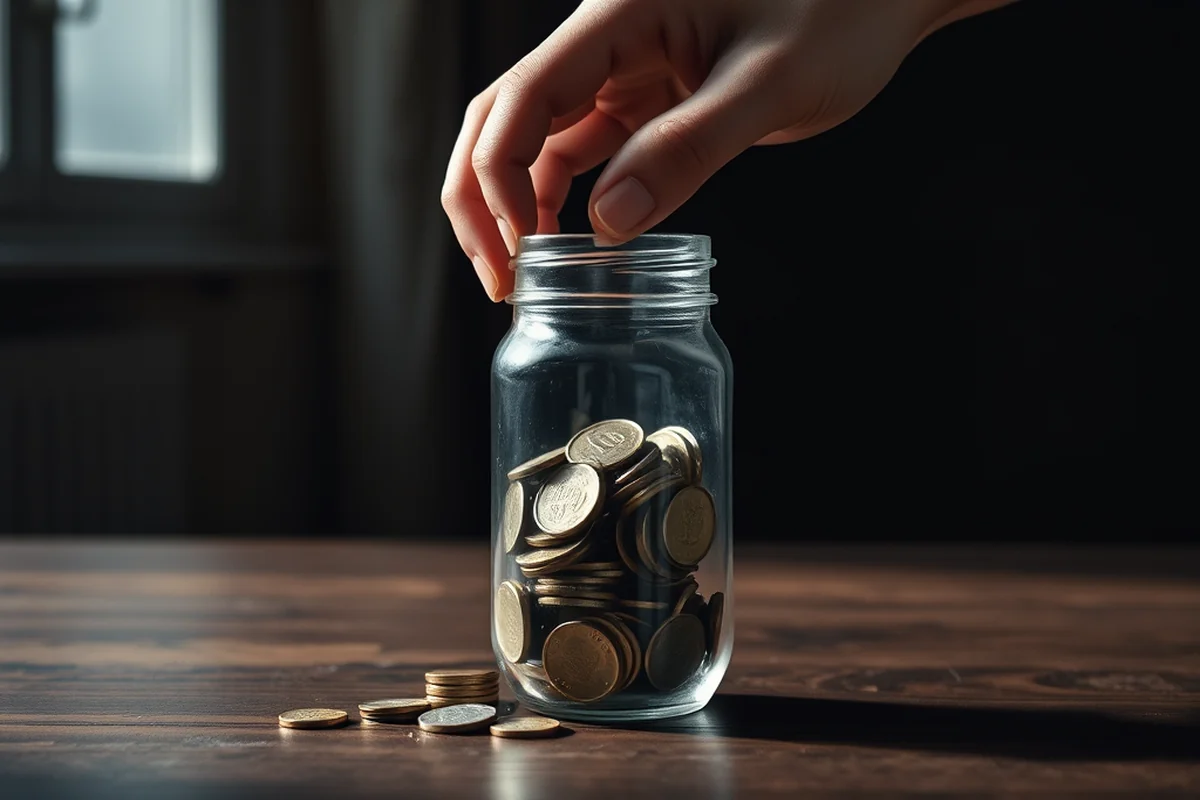
I used the 50/30/20 rule to structure my budget—50% for needs, 30% for wants, and 20% for savings and debt. This allowed me to allocate money toward debt without cutting out everything I enjoyed. I found that this approach was sustainable and didn’t leave me feeling deprived.[2]
I also made sure to include all my income sources and expenses in my budget. This helped me identify areas where I could cut back, like dining out or subscriptions I didn’t really use. After a few weeks of tracking, I found I was spending $150 a month on things I didn’t need.[3]
Once I had a realistic budget, I could allocate a specific amount each month toward my debt. It wasn’t about making huge sacrifices—it was about making smart choices.
A budget is not a punishment—it's a plan for your future.
Related: What is a debt management plan
Use the Debt Snowball or Debt Avalanche Method
The debt snowball method involves paying off the smallest debts first, which gives you a quick win and builds momentum. I used this approach because it kept me motivated. Every time I paid off a small card, I felt a sense of accomplishment.
The debt avalanche method focuses on paying off the highest interest rate debts first to save money on interest. This method requires more discipline but can save you thousands in the long run. I found that combining both approaches worked best for me in the beginning.
I recommend experimenting with both methods to see which one fits your personality. The key is to stay consistent and not get discouraged by the process.[4]
If you’re motivated by quick wins, use the debt snowball. If you want to save money on interest, go with the debt avalanche.
“I remember the day I received a credit card bill that nearly made me faint.”— SnowballStart editors
Related: Accredited debt relief reviews
Negotiate with Creditors for Lower Interest Rates

I called my credit card company and asked if they could reduce my interest rate. To my surprise, they agreed, and my rate dropped from 20% to 15%. This simple step saved me hundreds of dollars in interest over the year.
You can also ask about balance transfer offers, which allow you to move your debt to a card with a lower interest rate. I used this strategy to move $3,000 in debt to a card with a 0% introductory rate, which gave me time to pay it off without interest.
Negotiating with your creditors is a powerful tool that many people overlook. It requires a bit of courage, but the results can be life-changing.
Related: Debt service coverage ratio
Increase Your Income to Pay Down Debt Faster
I started taking on freelance projects in the evenings and on weekends, which added an extra $500 to my monthly income. This allowed me to pay off my debt faster and reduce the amount of time I spent in debt.
I also looked into side hustles like selling unused items online or offering my skills for hire. Even a few extra dollars a week can add up over time and help you pay off your debt faster.
Increasing your income doesn’t have to be a full-time commitment. Small, consistent efforts can make a big difference in your debt journey.
Related: Simple debt snowball guides
Avoid New Debt While Paying Off Existing Debt
I made a conscious effort to avoid using my credit cards for anything other than emergencies. It wasn’t always easy, but I found that using cash for daily expenses helped me stay out of debt.
I also stopped applying for new credit cards, which can tempt you into using them unnecessarily. Once I got into the habit of paying off my cards each month, I felt more in control of my finances.
Staying debt-free requires discipline and the willingness to say no to things that might seem tempting at the time.
Getting out of debt is a marathon, not a sprint—stay focused and avoid new debt at all costs.
Related: Debt snowball step for beginners
Celebrate Small Wins to Stay Motivated
I set small goals for myself, like paying off a specific credit card or reducing my balance by a certain amount each month. When I met those goals, I treated myself to something small, like a nice dinner or a new book.
Celebrating these small wins helped me stay positive and kept me from feeling overwhelmed by the larger goal of paying off all my debt. It reminded me that every dollar I paid off was a step in the right direction.
Motivation is key when you’re paying off debt. Finding ways to celebrate your progress, no matter how small, can make a big difference in your overall success.
Build an Emergency Fund to Avoid Falling Back Into Debt
After paying off my first credit card, I realized I needed a financial buffer. I started saving $200 a month into a separate savings account, which took about six months to reach $1,200. This amount covered an unexpected car repair and prevented me from using my credit card again. The key is to keep this fund separate from your regular budget and only use it for true emergencies.
I used a high-yield savings account for my emergency fund, which earned me about 4.5% annual interest. Over a year, that $1,200 grew to $1,254, which gave me more financial security without having to dip into my debt payments. I also set a goal to build my emergency fund to $3,000 within 18 months, which I believe is a safe amount for most people. This fund has given me peace of mind and helped me stay committed to my debt-free plan.
I recommend starting with a small emergency fund and gradually increasing it as your financial situation improves. I used a budgeting app to track my emergency fund and set reminders to contribute regularly. I also made sure not to touch this fund for non-emergencies, even when I was tempted. Building this fund took time, but it was one of the most important steps I took to stay debt-free in the long run.
💰 Budget-Friendly Plan
Suitable for those on a tight budget. Focuses on cutting expenses, negotiating with creditors, and using low-cost strategies.
🚀 Aggressive Payoff Plan
Ideal for those who want to pay off debt quickly. Includes increasing income, using the debt avalanche method, and eliminating all non-essential spending.
💼 Irregular Income Plan
Designed for people with unpredictable income. Uses a 50/30/20 budget and focuses on emergency savings and debt repayment in times of financial surplus.
👫 Couples Debt Plan
Tailored for couples. Encourages open communication, joint budgeting, and shared goals to pay off debt together.
🆕 Beginner Debt Plan
A simple, step-by-step guide for those who are just starting out. Includes budgeting, debt tracking, and basic debt repayment strategies.
| The mistake | Why it happens | The fix |
|---|---|---|
| Ignoring the interest rate | Focusing on the smallest balances first can cost you more in interest over time. | Prioritize paying off high-interest cards first to save money in the long run. |
| Not creating a budget | Without a budget, it’s easy to overspend and not allocate enough money toward debt. | Use the 50/30/20 rule or another budgeting method that works for your lifestyle. |
| Using credit cards again after paying them off | Getting back into debt is one of the biggest pitfalls of the debt repayment journey. | Avoid using credit cards for non-essential purchases and build an emergency fund instead. |
| Not negotiating with creditors | Many people don’t realize they can negotiate a lower interest rate or balance transfer options. | Call your credit card company and ask about available options to reduce your debt burden. |
Get Out Of Credit Card Debt
Common Questions
How long does it take to pay off credit card debt?
Can I negotiate my credit card interest rate?
Is it possible to pay off credit card debt without cutting my lifestyle?
What should I do if I’m struggling to pay my minimum payments?
References
- Paying Off Credit-Card Debt May Take More Than a Nudge (chicagobooth.edu)
- Tips to Tackle Credit Card Debt Before the Holidays (com.ohio.gov)
- How To Get Out of Debt - FTC Consumer Advice (consumer.ftc.gov)
- Can a 'Nudge' Reduce Credit Card Debt? (crr.bc.edu)
Cite this guide
SnowballStart (2026). How to Get Out of Credit Card Debt and Stay Debt-Free. https://snowballstart.com/get-out-of-credit-card-debt/
Feel free to cite or share this guide.
Debt Snowball Calculator
Debt snowball payoff order, months to debt-free and interest paid.
Open it free →