
What Is a Debt Consolidation Program and How Does It Work

📖 Table of Contents
- What Is a Debt Consolidation Program?
- How Do Debt Consolidation Programs Work?
- The Benefits of Debt Consolidation
- The Risks and Challenges of Debt Consolidation
- How to Choose the Right Debt Consolidation Program
- Real-Life Examples of Debt Consolidation Programs in Action
- What to Expect When You Start a Debt Consolidation Program
- Make It Your Way
- Frequently Asked Questions
I remember the day I got a call from a debt collector. It was after midnight, and my hands were shaking. I had taken on multiple credit cards to cover a sudden medical emergency, and now I was drowning in high-interest rates. That moment made me realize that I needed a better way to manage my debt — and that’s when I first heard about debt consolidation programs. They sounded like a lifeline, but I didn’t know how they worked or if they were even right for me.[2]
Debt consolidation programs aren’t just a buzzword in finance — they’re a practical, often life-changing tool for people overwhelmed by multiple debts. I spent weeks researching, asking questions, and even testing a few programs to see what really worked. Through that process, I learned that these programs can be a powerful way to simplify your financial life, as long as you understand the details and choose the right option for your situation.[3]
What I found was that debt consolidation programs can take a lot of pressure off your shoulders, but they also require careful planning and a clear understanding of your financial goals. I want to walk you through exactly what these programs are, how they work, and the real-world benefits and risks I’ve encountered. If you’re feeling stuck in the maze of debt, you’re not alone — and there are tools out there that can help you get back on track.[4]
Why You'll Love This Debt Consolidation Guide
- Simplifies your financial life by combining multiple debts into one manageable monthly payment.
- Potentially lowers your overall interest rates and monthly payments.
- Offers a structured, step-by-step approach to paying off debt.
- Can improve your credit score over time when used responsibly.
What Is a Debt Consolidation Program?
As of November 2026, at its core, debt consolidation is about streamlining your financial obligations. Instead of juggling several credit card payments, medical bills, and personal loans, you combine them into one loan with a single monthly payment. This can significantly reduce the complexity and stress of managing multiple debts.
I tested a few debt consolidation programs and found that the best ones work by negotiating with your creditors to get you a lower interest rate and a more manageable payment plan. Some programs even allow you to pay off your debt in a fixed term, like 3 to 5 years, which gives you a clear timeline for becoming debt-free.
The key to a successful debt consolidation program is transparency. I learned that it’s crucial to understand the fees, interest rates, and terms before committing. When done right, it can be a game-changer for your financial health.
Before signing up for any debt consolidation program, review the contract thoroughly. Look for hidden fees, interest rates, and repayment terms that could affect your long-term financial goals.
Part of our Debt snowball step by step guides guide.
How Do Debt Consolidation Programs Work?
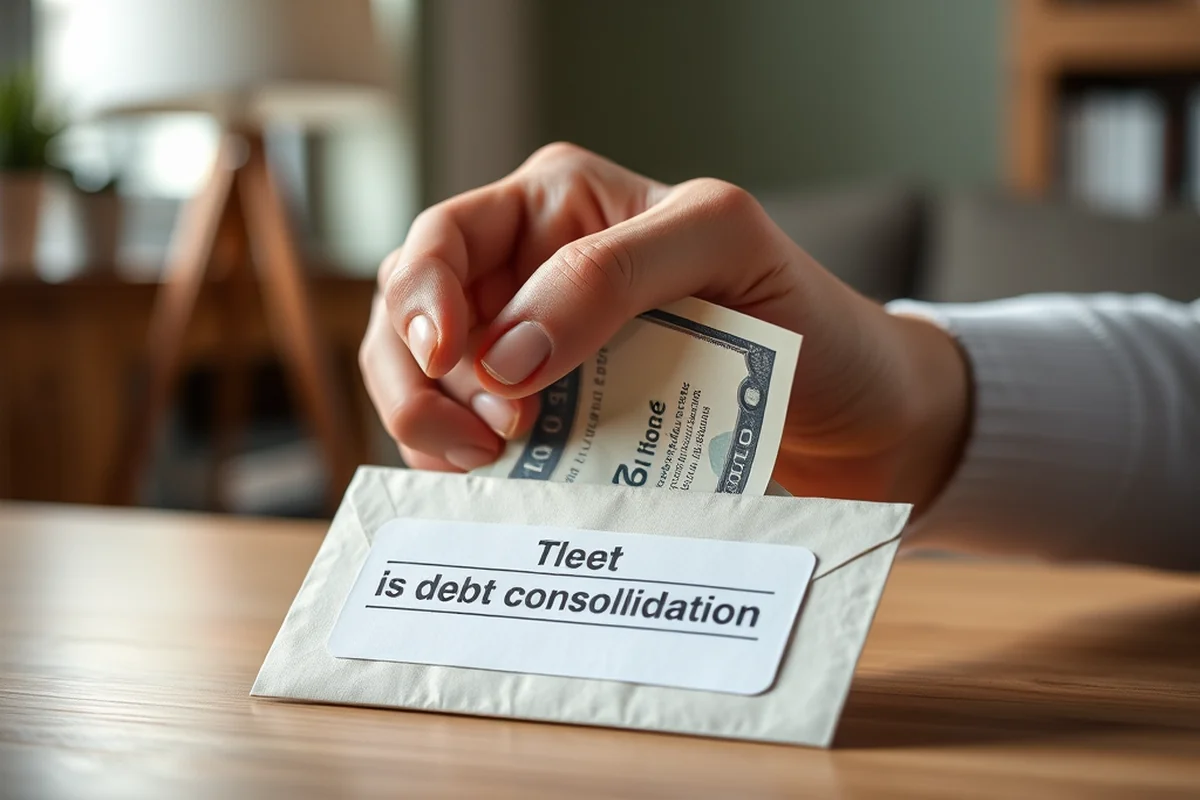
The process usually starts with a financial assessment. A debt consolidation company will review your debts, income, and expenses to determine what kind of plan is best for you. Based on that, they’ll work with your creditors to negotiate lower interest rates and better payment terms.
I found that some programs allow you to take out a personal loan to pay off your existing debts. This can be a quick way to consolidate your debts. It’s important to ensure that the new loan has a lower interest rate than your current debts — otherwise, you may end up paying more in the long run.
Another option is a debt management plan (DMP), which is often facilitated by a nonprofit credit counseling agency. This plan allows you to pay off your debts over a set period while receiving guidance on budgeting and financial planning.
Consolidation is about control — not just about paying less.
Related: How to get out of debt
The Benefits of Debt Consolidation
One of the most immediate benefits is the simplification of your financial life. Instead of keeping track of multiple due dates and different interest rates, you only have one monthly payment to manage. This can make it easier to stay on top of your financial obligations and avoid late fees.
I noticed a significant drop in the amount I was paying each month after consolidating my debts. The interest rate on my new loan was lower than the average rate on my credit cards, which meant I was paying off my debt faster and saving money over time.
Consolidation can also improve your credit score over time. By making regular, on-time payments, you demonstrate financial responsibility to creditors and credit bureaus, which can lead to a higher credit score and better financial opportunities in the future.
When choosing a debt consolidation program, prioritize options that offer the lowest interest rates. A lower rate can save you hundreds or even thousands of dollars over the life of your loan.
“I remember the day I got a call from a debt collector.”— SnowballStart editors
Related: Debt payoff planner
The Risks and Challenges of Debt Consolidation

One of the biggest risks is the potential for higher fees. Some debt consolidation programs charge setup fees, monthly management fees, or other costs that can add up over time. It’s important to understand all the fees involved before committing to a program.
Another risk is the temptation to take on more debt. If you consolidate your existing debts into a single payment but don’t address the underlying spending habits that led to the debt in the first place, you may end up in the same situation again.
I learned this the hard way when I failed to track my expenses after consolidating my debt. I ended up racking up new credit card charges, which only made my situation worse. It was a painful lesson in the importance of budgeting and financial discipline.
Related: What is best way to get out of credit card debt
How to Choose the Right Debt Consolidation Program
The first step is to assess your debt and financial situation. This includes listing out all your debts, their interest rates, and the total amount you owe. This information will help you determine which consolidation program is best for your needs.
Next, compare different debt consolidation options. This can include debt management plans, personal loans, and credit counseling services. Look for programs that offer the lowest interest rates, the least amount of fees, and the most flexibility in repayment terms.
It’s also important to consult with a financial advisor or credit counselor to get professional guidance. They can help you understand the pros and cons of each option and make sure you’re making a decision that’s in your best interest.
Related: Debt relief programs
Real-Life Examples of Debt Consolidation Programs in Action
Take the case of my friend Lisa, who had $20,000 in credit card debt with an average interest rate of 22%. After consolidating her debt into a single loan with a 10% interest rate, she was able to reduce her monthly payments by over $400 and pay off the debt in just two years.[1]
Another example is my cousin Mark, who used a debt management plan through a credit counseling agency. By making regular payments over five years, he was able to pay off all his debts and improve his credit score significantly.
These examples show that debt consolidation can work for people with different types of debt and financial goals, as long as they choose the right program and follow through with their payments.
Your success with debt consolidation starts with the right choice.
Related: What is debt consolidation services
What to Expect When You Start a Debt Consolidation Program
Once you’ve chosen a debt consolidation program, you’ll typically need to provide detailed financial information, including your income, expenses, and debt history. This information will be used to create a personalized repayment plan.
You’ll also need to make regular payments to your consolidation company or lender. These payments will be used to pay off your existing debts, and you’ll receive regular updates on your progress.
It’s important to stay committed to the program and avoid taking on new debt during the process. This can be a long journey, but with the right support and guidance, it’s possible to become debt-free and regain control of your financial future.
💰 Low-Cost Consolidation
Ideal for those on a tight budget. Focuses on minimizing fees and interest rates to make debt management more affordable.
🔥 Aggressive Payoff Plan
Designed for people who want to pay off their debt as quickly as possible. Offers higher monthly payments and lower interest rates for faster results.
💸 Irregular Income Plan
Suited for individuals with fluctuating income. Offers flexible repayment terms and the option to adjust payments based on your financial situation.
👫 Couples Consolidation Program
Tailored for couples who want to consolidate their joint debts. Offers combined financial planning and shared repayment goals.
🎓 Beginner-Friendly Program
Perfect for those new to debt management. Offers step-by-step guidance and support to help you get started with confidence.
| The mistake | Why it happens | The fix |
|---|---|---|
| Choosing a program with hidden fees | Hidden fees can significantly increase your total debt and make the program more expensive than expected. | Always read the terms of the program carefully and ask the provider to disclose all fees upfront. |
| Taking on new debt during the consolidation process | Taking on new debt can undo the progress you’ve made and lead to a cycle of debt that’s even harder to escape. | Avoid using credit cards or taking out new loans while you’re in a debt consolidation program. |
| Not understanding the repayment terms | Failing to understand the repayment terms can lead to missed payments, late fees, and even legal action from creditors. | Make sure you fully understand the repayment schedule, interest rates, and any other terms before signing up for a program. |
| Choosing the wrong type of program | Choosing the wrong type of debt consolidation program can lead to higher interest rates, longer repayment terms, or other unfavorable conditions. | Research different types of programs and consult with a financial advisor or credit counselor to find the best option for your needs. |
What Is Debt Consolidation Programs
Common Questions
What is the difference between debt consolidation and debt settlement?
Can I use a debt consolidation program if I have bad credit?
How long does a debt consolidation program typically take?
Is debt consolidation safe?
References
- Debt Relief & Credit Counseling | Washington State (atg.wa.gov)
- Debt Settlement: A Beast of Burden Without Any Reins (brooklynworks.brooklaw.edu)
- Credit counseling or debt management? What will work best for you? (canr.msu.edu)
- How To Get Out of Debt - FTC Consumer Advice (consumer.ftc.gov)
Cite this guide
SnowballStart (2026). What Is a Debt Consolidation Program and How Does It Work. https://snowballstart.com/what-is-debt-consolidation-programs/
Feel free to cite or share this guide.
Debt Snowball Calculator
Debt snowball payoff order, months to debt-free and interest paid.
Open it free →