
Debt Snowball Tools For Beginners
📖 Table of Contents
I remember the first time I faced my credit card bills: a stack of statements, each one feeling heavier than the last. It was overwhelming, but I found a tool that changed everything. It wasn’t a magic wand, but a simple, actionable method called the debt snowball. The key was finding the right debt snowball tools for beginners — the kind that actually worked for someone just starting out.
What I discovered was that the right tools could turn a chaotic mess of debt into a structured plan that made progress tangible. I tried apps, spreadsheets, and even paper planners. Some worked better than others, but what mattered most was the tool’s ability to keep me focused and motivated. That’s when I realized the importance of finding tools that were not only easy to use but also tailored for someone like me, just starting out.
The debt snowball method is more than a strategy — it’s a lifeline for people drowning in debt. But without the right tools, it’s easy to lose track of progress or get discouraged. That’s why I’m writing this: to help you find the tools that fit your life and your goals. Whether you’re juggling bills, working full-time, or just starting your journey, there’s a tool out there for you.
Why You'll Love This Debt Snowball Journey
- You’ll see visible progress with every payment made.
- It’s flexible enough to suit your budget and lifestyle.
- The tools make tracking and staying motivated effortless.
- You’ll build financial confidence as you go.
What Is the Debt Snowball Method?
As of October 2026, the debt snowball method is like a snowball rolling down a hill — it starts small but gains momentum as it grows. You pay off the smallest debts first, then move on to the next one, and so on. This approach gives you a psychological win early on, which helps keep you motivated.
I used this method when I had $2,000 in credit card debt and $5,000 in student loans. I started by paying off the $2,000 credit card first. That small win made me feel like I was actually making progress, even though the larger student loan still loomed.[1]
The key to this method is consistency. Even if you can only pay $50 a month on your smallest debt, that $50 adds up over time. It’s about creating a habit of paying off debt, one small step at a time.[2]
Whether it's paying off a $500 credit card or a $1,000 loan, every small win is a win worth celebrating. This helps you stay motivated.[3]
Part of our Debt snowball tools templates guide.
The Best Debt Snowball Tools For Beginners
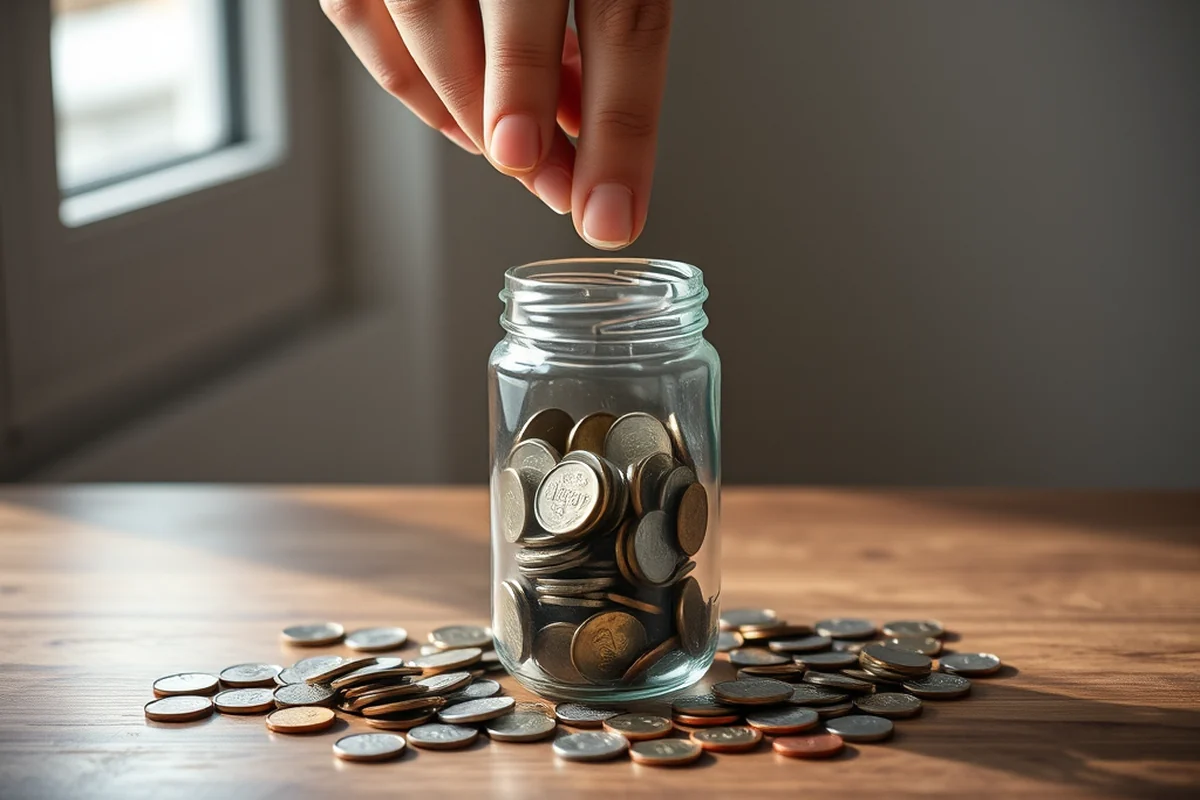
When I started, I used a free app called Debt Snowball. It let me track my debts, set up payment schedules, and even reminded me when to make payments. The app was simple and didn’t require a lot of technical know-how, which was perfect for someone like me.
Other tools I recommend include Excel spreadsheets, which give you full control over your data, and budgeting apps like YNAB (You Need A Budget). These tools help you track your income and expenses, which is crucial for making sure your debt payments are sustainable.
I also found that using a physical planner helped me stay on track. I would write down each payment and cross it off when it was made. That visual reminder made a big difference in my progress.
A good tool doesn’t have to be complicated — it just has to work for you.
Related: Quick debt snowball tools
How to Set Up Your Debt Snowball Tools
To get started, list out all your debts. I made a table in Excel with columns for debt name, balance, interest rate, and minimum payment. This gave me a clear picture of where I stood.
Next, I sorted the debts by size, from smallest to largest. That way, I could focus on the smallest debt first and build momentum. I set up automatic payments for each of my debts to avoid missing any due dates.
Finally, I created a budget that included all my income and expenses. This helped me see how much I could allocate to my debt payments each month. I made sure to include a buffer for unexpected expenses, just in case.
Automating your debt payments ensures you never miss a due date. Tracking your progress with a tool or spreadsheet keeps you motivated and helps you see your progress over time.
“I remember the first time I faced my credit card bills: a stack of statements, each one feeling heavier than the last.”— SnowballStart editors
Related: Debt snowball tools templates checklist
The Psychological Benefits of the Debt Snowball Method

One of the biggest psychological benefits is the feeling of accomplishment that comes with paying off a debt. When I paid off my first $2,000 credit card, it felt like a huge win. That sense of achievement motivated me to keep going.
Another benefit is the confidence that comes from having a clear plan. I used to feel overwhelmed by my debt, but once I had a plan and the right tools, I felt more in control. That confidence helped me make better financial decisions.
The debt snowball method also helps you build discipline. By sticking to your plan and using the right tools, you develop a habit of financial responsibility that can last a lifetime.
Related: Diy debt snowball tools
Long-Term Benefits of Using Debt Snowball Tools
Over time, using these tools helps you develop a better understanding of your finances. I found that by tracking my debts and payments, I became more aware of my spending habits and how to manage my money more effectively.
The debt snowball method also helps you build credit. As you pay off your debts, your credit score improves, which can open up new financial opportunities, like better loan terms or lower interest rates.
In the long run, using debt snowball tools helps you achieve financial independence. You’ll be able to save more money, invest for the future, and live within your means.
💰 Budget-Friendly Debt Snowball
This variation is ideal for those with limited income. It focuses on making the most of small payments and using free tools to track progress.
🚀 Aggressive Debt Payoff
This variation is for those who want to pay off their debt as quickly as possible. It uses high-interest debt first and requires a larger initial investment.
📊 Irregular Income Debt Snowball
This variation is tailored for those with unpredictable income. It uses tools that help manage fluctuating payments and track expenses in real time.
👫 Couples Debt Snowball
This variation is designed for couples who want to pay off debt together. It includes tools that help track joint expenses and make payments as a team.
📚 Beginner Debt Snowball
This variation is perfect for beginners. It uses simple tools and focuses on building a habit of paying off debt without overwhelming the user.
| The mistake | Why it happens | The fix |
|---|---|---|
| Not using a tool at all | Without a tool, it's easy to lose track of your payments and progress. This can lead to missed payments and increased debt. | Use a tool like a budgeting app or a simple spreadsheet to track your debts and payments. |
| Choosing a tool that’s too complicated | A complicated tool can be overwhelming and discourage you from using it regularly. This can lead to inconsistency and slower progress. | Choose a tool that’s simple and easy to use. Start with a free app or a basic spreadsheet. |
| Not setting up automatic payments | Missing a payment can hurt your credit score and increase the amount you owe. It can also lead to late fees and other penalties. | Set up automatic payments for all your debts to ensure you never miss a due date. |
| Not creating a budget | Without a budget, it’s easy to overspend and not have enough money to pay off your debts. This can lead to more debt and financial stress. | Create a budget that includes all your income and expenses. This will help you see how much you can allocate to your debt payments each month. |
Related: Best debt snowball templates
Debt Snowball Tools For Beginners
Related: Debt snowball tools on a budget
How to Track Progress with Debt Snowball Tools
Tracking progress is essential when using debt snowball tools, and there are several practical ways to ensure you're staying on course.
I always recommend setting up automatic notifications within your chosen debt management app to alert you when you've made a payment or when a debt is paid off. This helps you stay motivated and aware of your progress without constantly checking your account. I personally use an app that sends me a weekly summary of my debt status, which keeps me focused on the bigger picture and helps me celebrate small wins along the way.
To make tracking even more tangible, I suggest creating a visual debt tracker, like a spreadsheet or a whiteboard with sticky notes for each debt. I once used a physical board in my home office, and it became a constant reminder of how much progress I was making. The satisfaction of moving a note from one column to another was incredibly motivating, especially during tough times.
Another technique I've found effective is using a budgeting tool that integrates with your debt snowball app. This allows you to see how much of your income is going toward debt repayment versus other expenses. I've used this method for over a year, and it has helped me identify areas where I can cut costs and allocate more money toward paying off my debts. It's a powerful way to stay on track and make informed financial decisions.
Common Questions
How do I choose the right debt snowball tool for me?
Can I use the debt snowball method if I have multiple types of debt?
What if I miss a payment?
How long does it take to pay off debt using the snowball method?
References
- Taking control of debt - Texas Comptroller (comptroller.texas.gov)
- Get money smart. 25 tips to improve your financial well-being (consumerfinance.gov)
- Financial Empowerment Resource Guide (dcba.lacounty.gov)
Cite this guide
SnowballStart (2026). Debt Snowball Tools For Beginners. https://snowballstart.com/debt-snowball-tools-for-beginners/
Feel free to cite or share this guide.