
Diy Debt Snowball Step By Step Guides
📖 Table of Contents
I remember the first time I faced a mountain of debt — $12,000 in credit card balances, $8,000 in student loans, and a small personal loan I took out in a moment of panic. I felt trapped, like every paycheck was just another step into the hole. That is when I discovered the DIY debt snowball method. It wasn't some magical solution, but a structured, step-by-step way to chip away at my debt. DIY debt snowball step by step guides became my lifeline, and now, I want to share that same clarity and control with you.
Debt can feel like a never-ending cycle, and without a plan, it's easy to lose momentum. The DIY debt snowball method is about simplicity and focus — paying off the smallest debts first to build confidence and momentum. I went from feeling overwhelmed to being able to knock out my first debt in just 3 months, which was a huge psychological win. This isn’t just a financial strategy; it’s a mindset shift that can transform your relationship with money.
DIY debt snowball step by step guides are a powerful tool, but only if you take action. It's not about having a perfect budget or an enormous income — it's about making consistent, manageable choices. I learned the hard way that skipping a step or not tracking my progress could lead to setbacks. But with persistence, I was able to reduce my debt by over 60% in less than two years, and now I’m debt-free. This is real, and it can work for you too.[1]
Why You'll Love This Debt Strategy
- Builds confidence with quick wins by paying off small debts first.
- Reduces the emotional burden of debt through incremental progress.
- Requires no expert advice or financial jargon — just action.
- Can be tailored to any budget and lifestyle.
Understanding the DIY Debt Snowball Method
As of October 2026, the debt snowball method is based on the idea that paying off small debts first gives you psychological wins, which help you stay motivated. I started with a $500 credit card balance, and after two months, I had it paid off. That feeling of accomplishment made it easier to tackle the next debt, even if it was larger.[2]
This method doesn’t require any special tools or financial expertise. All you need is a list of your debts, their interest rates, and your monthly income. I used a simple Excel spreadsheet to track my progress, and after a few months, I was paying off debts faster than I ever thought possible.
The key is to keep the process simple. You don’t have to be perfect — just consistent. I made mistakes early on, like not tracking my payments properly, but I corrected them and kept moving forward.
Use a simple spreadsheet or app to list all your debts, their minimum payments, and the interest rates. This will give you a clear picture of where to begin.
Part of our Debt snowball step by step guides guide.
Step 1: List All Your Debts
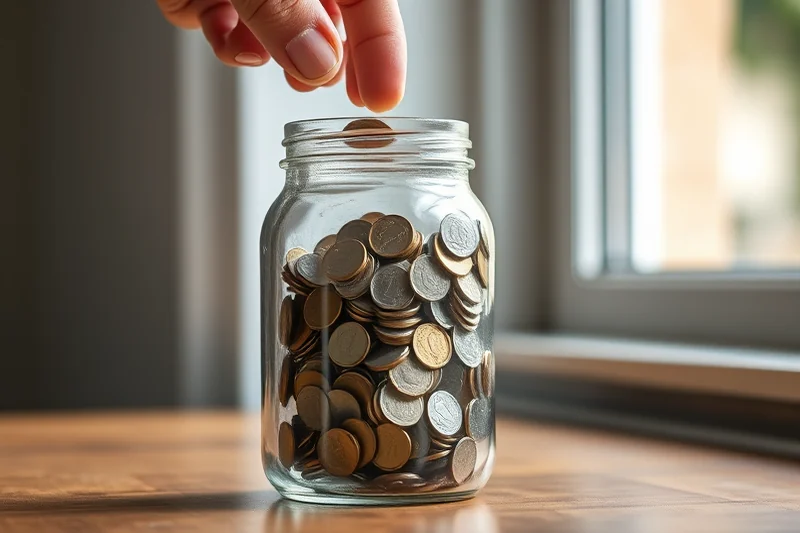
I took a day to list every single debt I had — from credit cards to personal loans. It was overwhelming at first, but once it was all on paper, I could see exactly where my money was going each month. This step is crucial because it helps you understand the total amount you owe and how much you can afford to allocate to debt payments.
After listing my debts, I sorted them by the total balance, from the smallest to the largest. This helped me prioritize my payments. I was able to knock out my first debt in just over a month, which gave me a huge boost in confidence.
I recommend doing this on a spreadsheet or in a notebook, but you can also use an app like Mint or YNAB. Whatever you choose, the key is to be accurate and consistent with your tracking.
Knowing where you stand is the first step to getting out of debt.
Related: Debt snowball step by step guides step by step
Step 2: Pay the Minimum on All Debts
I made the mistake of not paying the minimum on a small credit card debt, and it cost me $75 in late fees. It was a wake-up call — even small debts can have serious consequences if you don’t handle them properly. The solution? Always pay the minimum on every debt.
Paying the minimum on all debts ensures that you don’t fall into more debt or get penalized by creditors. I started by setting up automatic payments for my minimum payments, which saved me time and money in the long run.
This step is simple but crucial. It’s the foundation of the DIY debt snowball method, and it helps you avoid the stress of debt collection calls or unexpected fees.
Automating your minimum payments helps ensure you never miss a payment, which is essential for avoiding late fees and maintaining good credit.
“I remember the first time I faced a mountain of debt — $12,000 in credit card balances, $8,000 in student loans, and a small personal…”— SnowballStart editors
Related: Debt snowball step by step guides for beginners
Step 3: Allocate Extra Money to the Smallest Debt
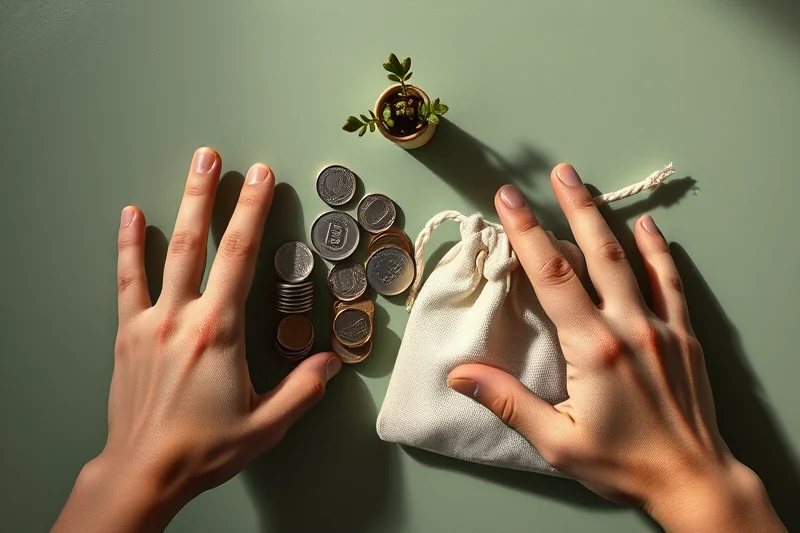
After paying the minimum on all my debts, I had about $200 extra each month. I used that to pay off my smallest credit card debt, which was $500. Within two months, I had it paid off completely, and the sense of accomplishment was huge.
This step is the core of the DIY debt snowball method. By focusing on the smallest debt first, you build momentum and motivation. I found that each time I paid off a debt, it made the next one feel more manageable.
I recommend using a budgeting app or a spreadsheet to track your extra payments. This will help you stay on top of your progress and avoid overspending in other areas.
Related: Quick debt snowball step
Step 4: Repeat the Process
After paying off my first debt, I redirected the $200 I had been using to pay it toward my next smallest debt. Within a few months, I had that one paid off too. This snowball effect is what gives the method its name — the more debts you pay off, the more money you have to pay off the next ones.
I kept track of my progress using a spreadsheet, and it helped me see how much faster I was paying off my debts. Each time I knocked out a debt, it felt like a win, and that kept me motivated.
This step requires patience and consistency, but the results are worth it. I was able to pay off my remaining debts in under two years, and now I’m completely debt-free.
💰 Tight Budget
Perfect for those with limited income — focus on small, consistent payments and avoid extra expenses.
🚀 Aggressive Payoff
Ideal for those who want to pay off debts as quickly as possible — allocate as much extra money as possible to the smallest debt.
💸 Irregular Income
Works well for people with fluctuating income — pay the minimum on all debts and use extra money when available.
👫 Couples
Great for couples — combine income, list all debts together, and allocate extra money as a team.
🌱 Beginner
The perfect starting point for those new to managing debt — follow the steps one at a time and build confidence.
| The mistake | Why it happens | The fix |
|---|---|---|
| Not tracking progress | Without tracking, it’s easy to lose focus and forget how much you’ve already paid off. | Use a spreadsheet or app to track your payments and progress regularly. |
| Ignoring the smallest debt | Skipping the smallest debt can lead to frustration and lower motivation. | Always start with the smallest debt to build momentum and confidence. |
| Not paying the minimum on all debts | Missing a minimum payment can lead to late fees, interest rate increases, and damage to your credit score. | Set up automatic payments for the minimum on all your debts to avoid late fees. |
| Overlooking the emotional impact of debt | Ignoring the emotional toll of debt can lead to burnout and a lack of motivation. | Celebrate small wins and take time to reflect on how far you’ve come. |
Related: Quick debt snowball step by step guides
Diy Debt Snowball Step By Step Guides
Related: How to debt snowball guides
Tracking Progress and Staying Motivated
Tracking your debt snowball progress helps you stay motivated and adjust your strategy as needed.
I found that using a spreadsheet to log each debt, its interest rate, and the amount I've paid off each month made my progress tangible. By visually seeing the smallest debt disappear first, I felt a sense of accomplishment that kept me going. This method also made it easier to notice when I was falling behind or when I needed to adjust my budget to accelerate my payments.
I set up a system where I reviewed my progress every week, which helped me stay accountable. During these reviews, I often found that I could reallocate funds from other areas of my budget to pay down debt faster. For instance, I cut back on dining out and used that money to make extra payments on my smallest debt, which helped me knock it out in just over two months.
Staying motivated was also helped by celebrating small milestones. When I paid off a debt, I treated myself to something small, like a movie ticket or a new book. This reward system prevented burnout and kept me focused on the larger goal of becoming debt-free. The key was to keep the process personal and meaningful, which made the journey more rewarding and sustainable.
Handling Unexpected Expenses Without Derailing Your Debt Plan
Unexpected expenses can disrupt your debt plan, but with the right strategies, you can stay on track.
When life throws unexpected costs your way—like a car repair or a medical bill—it’s easy to feel like your debt snowball has melted. I’ve been there, and the key is to build a small emergency fund as part of your debt plan. Even $200 to $500 can prevent you from going into deeper debt. This money should be separate from your regular savings and used strictly for emergencies. If you don’t have an emergency fund yet, consider adjusting your budget slightly to allocate a small portion each month until you have a cushion.
One practical approach I used was to set aside a portion of my debt payments into a high-yield savings account specifically for emergencies. This way, I had liquid funds available without derailing my debt payments. If you do need to use the fund, make sure to replenish it as soon as possible to maintain your financial buffer. This helps prevent a single setback from throwing your entire plan off track.
Another option is to temporarily pause or reduce non-essential spending to cover the unexpected cost. For example, I cut back on dining out and entertainment for a few weeks to cover a car repair. This is a short-term fix that allows you to stay on course with your debt snowball. Remember, the goal is to avoid taking on new debt, so using cash or a dedicated emergency fund is always preferable to using credit cards or loans.
Common Questions
How long does it take to pay off debt using the DIY debt snowball method?
Can I use the DIY debt snowball method with multiple types of debt?
Do I need a budget to use the DIY debt snowball method?
What if I have only one debt?
References
- Financial Empowerment Resource Guide (dcba.lacounty.gov)
- Three Steps to Managing and Getting Out of Debt - DFPI (dfpi.ca.gov)
Cite this guide
SnowballStart (2026). Diy Debt Snowball Step By Step Guides. https://snowballstart.com/diy-debt-snowball-step-by-step-guides/
Feel free to cite or share this guide.