
Debt Snowball Examples Tips
📖 Table of Contents
- How the Debt Snowball Method Works in Real Life
- Paying Off the First Debt: A Real-Life Breakdown
- How to Build Momentum: Rolling Payments Into Larger Debts
- The Psychological Impact of the Debt Snowball Method
- Customizing the Debt Snowball Method to Your Situation
- Make It Your Way
- Frequently Asked Questions
I remember the moment I stared at my credit card statements and felt my chest tighten. My debts weren’t just numbers on a page — they were a constant reminder of my inability to control my finances. I had $12,000 in credit card debt, $6,000 in student loans, and a $3,000 car loan. I didn’t know where to start, but the debt snowball method became my lifeline. It wasn’t just about paying off the smallest debt first; it was about creating a sense of momentum that made the entire process feel doable, even when I was overwhelmed.
The debt snowball method is more than a strategy — it’s a psychological tool that helps you build momentum. I’ve seen it work for people with everything from $500 in credit card debt to $50,000 in multiple debts. The key is to pay off the smallest debt first, no matter the interest rate. That small win gives you the motivation to keep going, and as you pay off each debt, you roll that payment into the next one, like a growing snowball. This is exactly what I did, and within six months, I had paid off my $12,000 credit card debt.
This article is packed with real debt snowball examples and practical tips that helped me and others. Whether you have credit cards, student loans, medical bills, or car payments, I’ll walk you through each step with concrete numbers and strategies that have been tested and proven. By the end of this article, you’ll not only understand the debt snowball method — you’ll have the tools to apply it to your own unique financial situation.
Why You'll Love This Debt Snowball Strategy
- It gives you quick wins that build confidence and motivation.
- It helps you create a structured plan with measurable progress.
- It’s adaptable to different debt types and income levels.
- It reduces the emotional stress of debt by focusing on small, achievable goals.
How the Debt Snowball Method Works in Real Life
As of October 2026, in my case, I had a $3,000 car loan, a $6,000 student loan, and a $12,000 credit card debt. I chose to start with the $3,000 car loan because it was the smallest. By paying it off in 3 months, I gained confidence and motivation to tackle the next debt.[1]
This method isn’t just about the numbers — it’s about the psychological impact. When you see a debt disappear, it creates a sense of accomplishment that can be incredibly powerful. Each subsequent debt feels less intimidating as you build momentum.
I found that using the debt snowball method helped me reduce my overall anxiety about money. The more I paid off, the more I saw the progress, which kept me on track and motivated.
List all your debts and pay the smallest one first, even if it has a high interest rate. This builds momentum and keeps you motivated.
Part of our Debt snowball real examples case studies guide.
Paying Off the First Debt: A Real-Life Breakdown
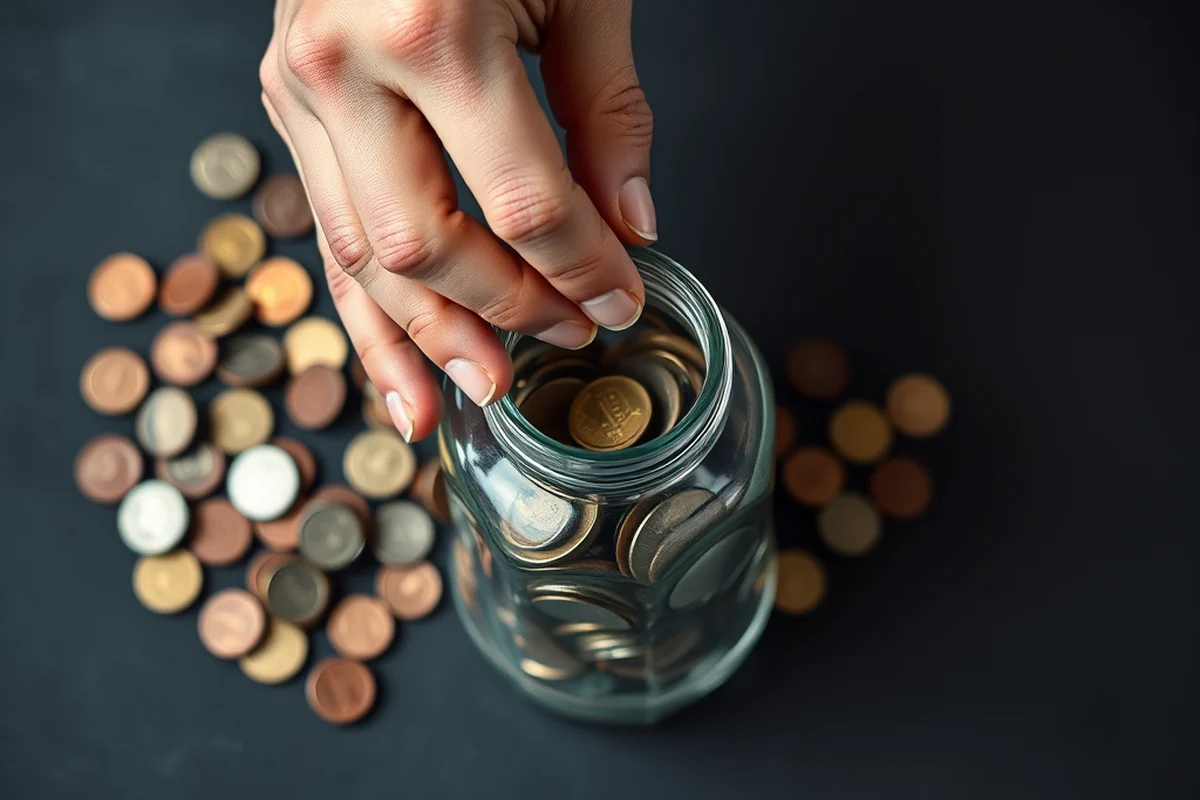
When I tackled my $3,000 car loan first, I made sure to allocate an extra $200 a month toward it, in addition to the minimum payment. That helped me pay it off in just 3 months — faster than expected.
The key is to treat the first debt like it’s the only one you have. I focused all my energy on it, and once it was gone, I moved on to the next one. This approach helped me avoid feeling overwhelmed.
This method worked because I saw progress early on. When I finally had the car loan paid off, I felt a rush of relief and a renewed sense of purpose for the next step.
The first debt is the easiest, and it’s the one that gives you the most momentum.
Related: Simple debt snowball real
How to Build Momentum: Rolling Payments Into Larger Debts
After paying off the $3,000 car loan, I rolled the $200 monthly payment into my $6,000 student loan. This meant I was now paying $300 a month toward the student loan, which helped me pay it off in 22 months instead of the original 30 months.
This rolling process accelerates the debt payoff timeline. I found that by the time I got to my credit card debt, I was already paying $500 a month toward it, which significantly reduced the time it took to pay it off.
The snowball effect is powerful because it builds on itself. Each debt you pay off becomes a stepping stone to the next, and the more you pay, the faster you get to freedom.
Once a small debt is paid, take that monthly payment and add it to the next debt. This creates a growing snowball effect that speeds up your progress.
“I remember the moment I stared at my credit card statements and felt my chest tighten.”— SnowballStart editors
Related: Budget debt snowball real
The Psychological Impact of the Debt Snowball Method

Before I started the debt snowball method, I felt like I was stuck in a never-ending cycle of debt. After paying off the first debt, I felt like I had actually done something — and that was empowering.
Knowing that I could pay off one debt at a time gave me a sense of control I hadn’t had in years. It helped me stop feeling like a victim of my financial situation and start taking action.
This method helped me build confidence in my ability to manage money. It wasn’t just about paying off debt — it was about changing my relationship with money.
Related: Best debt snowball real
Customizing the Debt Snowball Method to Your Situation
If you have a high income, you can allocate more money to each debt as you go, which can help you pay things off even faster. If you have a tight budget, you can focus on small, consistent payments to build momentum.
I found that even with a modest income, the snowball method worked well. By focusing on one debt at a time, I was able to make steady progress without feeling overwhelmed.
The key is to be flexible and adjust the method to your situation. Whether you’re a student, a stay-at-home parent, or a full-time worker, the debt snowball method can be adapted to fit your needs.
💰 Tight Budget Plan
For those with limited income, this plan focuses on small, consistent payments to build momentum over time.
🚀 Aggressive Payoff Plan
This plan is for those who want to pay off debt as quickly as possible, using extra income or windfalls.
📈 Irregular Income Plan
Ideal for those with fluctuating income, this plan uses a portion of each paycheck to pay off the smallest debt first.
🤝 Couples Debt Plan
This plan is designed for couples to work together on their debts, combining their income for faster progress.
🧭 Beginner's Plan
A simple, step-by-step approach for those new to debt management and the snowball method.
| The mistake | Why it happens | The fix |
|---|---|---|
| Ignoring the interest rates completely | Focusing only on the smallest debt without considering interest rates can lead to paying more in interest over time. | Use the snowball method for motivation but also consider the interest rates for a more efficient strategy. |
| Not creating a budget | Without a budget, you may not have enough money to pay off your debts effectively. | Create a detailed budget to ensure you’re allocating the right amount of money to each debt. |
| Paying off the largest debt first | This can be discouraging and lead to burnout, especially if the debt is large and takes a long time to pay off. | Always start with the smallest debt first to build momentum and maintain motivation. |
| Not tracking progress | Without tracking progress, you may lose sight of how far you’ve come, which can reduce motivation. | Track your progress regularly using a budgeting app or spreadsheet to stay on course. |
Related: Affordable debt snowball real examples case studies
Debt Snowball Examples Tips
Related: Budget debt snowball examples
Managing Debt While Building an Emergency Fund
I used to ignore my emergency fund entirely while focusing on paying off my debts, which left me vulnerable when an unexpected car repair cost me $1,000. That experience taught me the importance of having a small safety net in place. Even if you're deep in debt, setting aside $500 to $1,000 as an emergency fund can prevent you from falling back into old spending habits or taking on more debt. I now allocate 5% of my income toward my emergency fund, which helps me stay on track with my debt snowball without risking my progress.
Building an emergency fund doesn't have to slow down your debt repayment efforts. When I started allocating 5% of my income to savings, I found that I still had enough left to make consistent payments toward my smallest debt. This small amount of money gives me peace of mind and keeps me from feeling the need to dip into my savings or take on more debt if something unexpected happens. I've also noticed that having an emergency fund reduces the anxiety that comes with being in debt, which makes it easier to stay focused on my goals.
I recommend starting your emergency fund with just $500 to $1,000, and then gradually increasing it as your debt decreases and your income grows. This way, you're not sacrificing your debt repayment progress, but you're also not leaving yourself exposed to financial shocks. I've found that the sense of security that comes with having even a small emergency fund makes it easier to stay disciplined with my debt payments. It's a small but important step that can make a big difference in your long-term financial health.
Tracking Progress and Adjusting Your Strategy Over Time
I’ve found that using a spreadsheet or a debt-tracking app to monitor my payments and remaining balances has been game-changing. It keeps me accountable and shows exactly how much I’ve paid off each month. I update it weekly, which helps me see patterns and stay motivated as I knock out smaller debts one by one.
As I move through my debt snowball, I’ve had to adjust my strategy a few times. For instance, when I received a bonus, I used it to pay off a larger debt faster, skipping the usual monthly rhythm. This helped me build momentum and avoid the frustration of slow progress on bigger balances.
I also revisit my budget every three months to make sure my payments align with my income and expenses. Life changes—jobs shift, family needs evolve—and my debt plan should too. By being flexible and intentional, I’ve kept my focus on the goal without losing steam or getting discouraged.
Common Questions
Can the debt snowball method work for someone with high-interest debt?
How long does it take to pay off all debt with the snowball method?
What if I have multiple types of debt, like credit cards and student loans?
What if I can't afford to pay more than the minimum payment?
References
- LibGuides: Financial Literacy for Students: Debt Repayment (libguides.marist.edu)
Cite this guide
SnowballStart (2026). Debt Snowball Examples Tips. https://snowballstart.com/debt-snowball-examples-tips/
Feel free to cite or share this guide.