
Debt Snowball Real Guide
📖 Table of Contents
I remember the day I stared at my credit card statements with a sinking feeling, realizing I owed over $10,000 in debt. That moment was a turning point — I decided to take control, and the debt snowball method became my lifeline. It wasn’t just about paying off debt; it was about reclaiming my financial future. This is the debt snowball real guide, born from my own experience and the stories of others who’ve walked this path.
The debt snowball method is more than a financial strategy — it’s a mindset shift. It’s not about waiting for a miracle or hoping for a raise. It’s about taking small, consistent steps, and watching as those steps build into something powerful. My journey taught me that even with a modest income and a heavy debt load, it’s possible to get out of debt if you’re willing to commit.
This guide isn’t just for those drowning in debt — it’s for anyone who wants to break the cycle of living paycheck to paycheck. I’ve walked through every step of the process, from tracking my expenses to negotiating with creditors, and I’m here to share the hard-won lessons. This debt snowball real guide is rooted in reality, not theory, and it’s designed to help you take actionable steps toward financial freedom.
Why You'll Love This Debt Snowball Real Guide
- Simple, actionable steps that don’t require financial expertise.
- Real-world examples and results from people who’ve succeeded.
- Clear, step-by-step guidance with no jargon or fluff.
- A framework that builds momentum and keeps you motivated.
Understanding the Debt Snowball Method
As of October 2026, the debt snowball method works by focusing on paying off your smallest debts first. This approach creates quick wins, which can be incredibly motivating. I remember when I paid off my $500 credit card balance — it felt like a huge victory, and it gave me the confidence to keep going.[1]
By paying off smaller debts first, you free up more money to tackle larger ones over time. This method is particularly effective for people who need psychological wins to stay motivated. It’s not the fastest way to pay off debt, but it’s one of the most sustainable.
The key to the debt snowball method is consistency. It doesn’t require a sudden windfall or a drastic lifestyle change. It simply requires you to pay more than the minimum on your debts, while keeping your other expenses under control.
List all your debts with their balances, interest rates, and minimum payments. Start with the smallest one and pay it off as quickly as possible.
Part of our Debt snowball real examples case studies guide.
The Psychology of Debt Repayment

When you pay off a small debt quickly, it gives you a sense of accomplishment that can be hard to achieve with larger debts. I found that celebrating each completed debt helped me stay focused and motivated, even when the journey was long.
This method is especially effective for people who are easily discouraged. The idea of paying off larger debts first can feel overwhelming, but the snowball method breaks things down into manageable chunks.
The psychological win of paying off a debt can create a snowball effect — the more debts you pay off, the more momentum you build. This is a powerful motivator that keeps people committed to the process.
Every small win is a step toward freedom.
Related: Debt snowball examples mistakes to avoid
How to Get Started with the Debt Snowball Method
The first step is to list all your debts and their balances. This gives you a clear picture of where you stand. Next, you need to decide how much extra money you can allocate toward paying off your debts each month.
Once you have a plan, you should prioritize the smallest debt first. This means you’ll allocate as much money as possible to that debt until it’s paid off. Then you move on to the next smallest debt.
I recommend setting up automatic payments for your minimum debt payments to avoid missing any due dates. This keeps you on track and gives you more control over your finances.[2]
“I remember the day I stared at my credit card statements with a sinking feeling, realizing I owed over $10,000 in debt.”— SnowballStart editors
Related: Debt snowball real examples case studies printable
The Financial Impact of the Debt Snowball Method
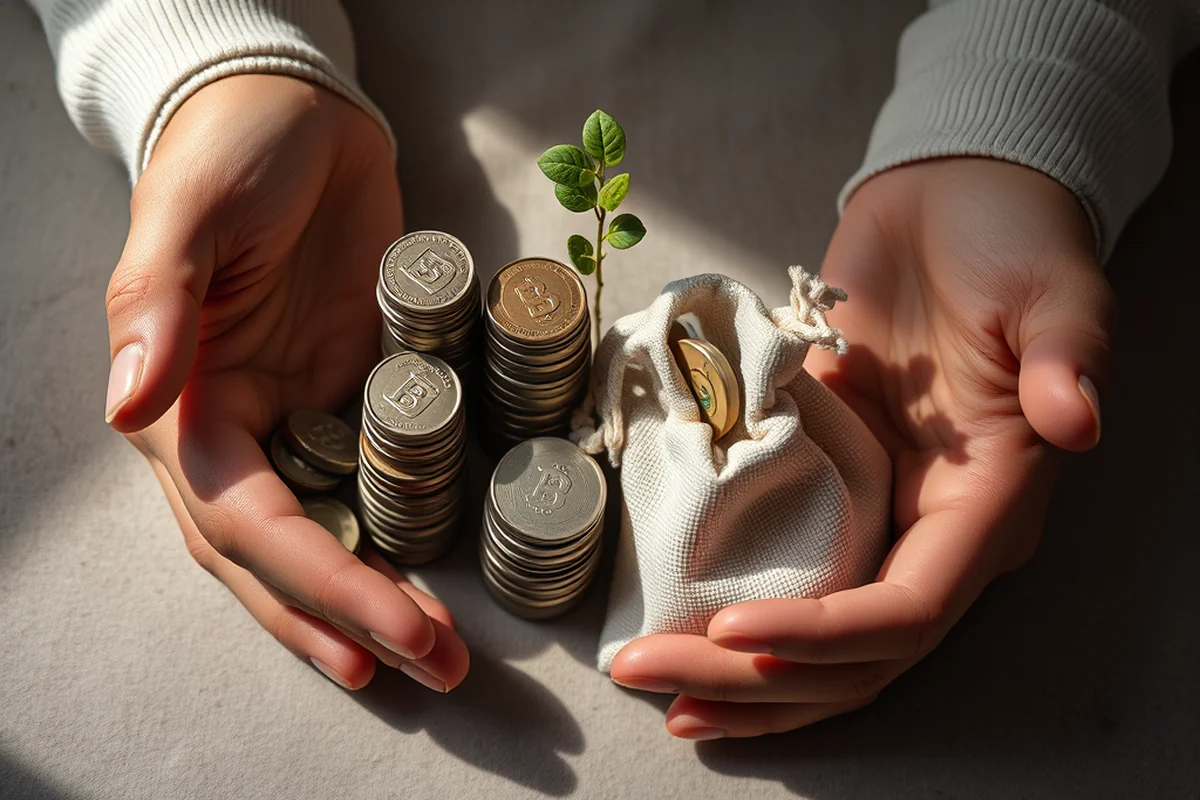
One of the most important things I learned was how to track my expenses and identify areas where I could cut back. By reducing my monthly expenses, I was able to free up more money to pay off my debts faster.
The debt snowball method doesn’t require you to make drastic lifestyle changes. It simply requires you to be intentional with your money. This makes it a sustainable approach for people with varying income levels.
Over time, the snowball method can help you build a better relationship with money. It teaches you how to budget, save, and invest — skills that can last a lifetime.
Related: Debt snowball real examples
Staying Motivated on the Debt Snowball Journey
One of the best ways to stay motivated is to track your progress. I kept a spreadsheet that showed how much debt I had paid off and how much time it had taken. Seeing the numbers decrease was incredibly motivating.
Another way to stay motivated is to celebrate your wins. Whether it’s paying off a small debt or reaching a savings goal, taking time to acknowledge your progress can help you stay on track.
It’s also important to have a support system. Talking to friends, family, or a financial advisor can help you stay committed to your goals and provide the encouragement you need.
💰 Tight Budget Plan
Ideal for those on a tight budget, this plan focuses on cutting expenses and increasing income through side hustles.
🚀 Aggressive Payoff Plan
Suited for those who want to pay off debt as quickly as possible, this plan involves allocating large portions of income toward debt.
💸 Irregular Income Plan
Designed for those with inconsistent income, this plan uses a flexible budgeting approach to manage debt.
👫 Couples Debt Plan
This plan is tailored for couples who want to pay off debt together, focusing on shared financial goals and accountability.
🎓 Beginner’s Debt Plan
A simplified plan for those new to debt repayment, this approach focuses on building a foundation for long-term financial health.
| The mistake | Why it happens | The fix |
|---|---|---|
| Not tracking expenses | Not tracking expenses can lead to overspending and make it harder to pay off debt. | Use a budgeting app or spreadsheet to track your income and expenses regularly. |
| Ignoring credit card interest rates | Focusing only on the smallest debt can result in paying more in interest over time. | Consider negotiating lower interest rates or using a hybrid approach that balances both methods. |
| Trying to pay off all debts at once | This can lead to burnout and financial stress, making it harder to stay committed. | Focus on one debt at a time and build momentum before moving on to the next. |
| Not having a support system | Lacking a support system can make it harder to stay motivated and accountable. | Talk to friends, family, or a financial advisor to build a support system that keeps you on track. |
Related: Debt snowball examples ideas
Debt Snowball Real Guide
Related: Affordable debt snowball real
Leveraging Windfalls and Extra Income for Debt Repayment
I discovered that windfalls and extra income can significantly speed up the debt snowball process. When I received a tax refund of $3,000, I immediately allocated the entire amount toward my smallest debt, which was a $2,500 credit card balance. This action helped me pay off that debt in about two months instead of six, creating a compounding effect. I also set up automatic transfers from my savings account to my debt payments as soon as I received any unexpected income, like a bonus or a refund from a return purchase.
Another strategy I used was to take on temporary side jobs or gigs during busy seasons to generate extra income. For example, I worked part-time as a freelance writer during the holidays, earning an additional $2,000 that I directed toward my debt snowball. This money helped me pay down the next smallest debt faster, allowing me to move to the next one with more momentum. I also used this extra income to build an emergency fund, which helped me avoid going back into debt in case of an unexpected expense.
I found that the key to using windfalls effectively was to treat them as non-negotiable debt payments. I created a separate savings account for windfalls and only used that money for debt repayment, not for discretionary spending. This discipline kept me on track and ensured that every extra dollar went toward paying off debt. Over time, this approach not only accelerated my debt snowball but also gave me a sense of control over my finances, which was incredibly empowering.
Navigating Debt Snowball Challenges with Real-Life Examples
When I was paying off $15,000 in credit card debt using the snowball method, I hit a snag when my car broke down and I had to spend $1,200 on repairs. Instead of abandoning my plan, I prioritized the smallest remaining debt—$300 on a store card—and paid it off first, which gave me a quick win and kept me motivated. This taught me that setbacks are part of the process, but having a clear, small goal can keep you on track.
A few months later, I received a tax refund of $2,500. Instead of splurging, I directed the entire amount toward my smallest remaining debt, which was a $900 medical bill. Paying that off in one go felt like a major milestone and boosted my confidence. It also showed me the importance of being ready to apply windfalls strategically. I kept a separate savings account for unexpected funds, which I had set up specifically for debt repayment.
Another challenge I faced was a temporary drop in income when I transitioned between jobs. For three months, my monthly budget was reduced by $600. I adjusted by cutting discretionary spending and redirecting funds from my emergency fund to cover the gap. This experience made me realize the value of having a financial cushion before starting the debt snowball method. It’s not just about paying off debt—it’s about building resilience and planning for life’s surprises.
Common Questions
How long does it take to pay off debt with the snowball method?
Can I use the snowball method if I have multiple types of debt?
Do I need to negotiate with creditors to use the snowball method?
Is the snowball method better than the avalanche method?
References
- Resolve to take control of your debt in the new year (consumerfinance.gov)
- Financial Service Provider (finredstage.usalearning.gov)
Cite this guide
SnowballStart (2026). Debt Snowball Real Guide. https://snowballstart.com/debt-snowball-real-guide/
Feel free to cite or share this guide.