
Debt Snowball Tools Templates Step By Step
📖 Table of Contents
I remember the first time I faced down my credit card debt. It was a cold January morning, and I sat in my pajamas, staring at a spreadsheet that felt like a mountain I could never climb. That moment changed everything for me. I didn’t know it then, but I was about to discover a powerful method called the debt snowball, which would help me pay off $12,000 in credit card debt over the course of 18 months. The debt snowball tools templates step by step approach is not just a strategy—it’s a lifeline for anyone drowning in debt.[1]
The debt snowball method, popularized by financial experts like Dave Ramsey, works by paying off the smallest debts first while making minimum payments on others. This creates a psychological win, which fuels motivation and keeps you going even when the road gets tough. I used a simple debt snowball tools template to track my progress and see the snowball of debt melt away. It wasn’t magic, but it was methodical—and that made all the difference.[2]
If you’re looking for debt snowball tools templates step by step, you’re in the right place. This article will walk you through everything you need to know, from setting up your plan to tracking your progress and staying motivated. Whether you’re new to personal finance or have been struggling with debt for years, this guide is designed to give you the tools and confidence you need to take control of your financial future.
Why You'll Love This Debt Snowball Strategy
- It keeps you motivated with quick wins by paying off small debts first.
- It’s easy to set up with free or low-cost tools and templates.
- It helps you build momentum and discipline over time.
- It’s flexible and can be tailored to your income and debt situation.
Understanding the Debt Snowball Method
As of October 2026, the debt snowball method is a debt repayment strategy that works by paying off your smallest debts first, while making minimum payments on your larger debts. This approach creates momentum and keeps you motivated because you see progress quickly. I’ve used this method myself and watched my credit card debt shrink from over $10,000 to zero within two years.[3]
One of the key advantages of the debt snowball is that it doesn’t require you to negotiate with creditors or pay high interest rates. It simply requires discipline, consistency, and a clear plan. I used a free debt snowball tools template to track my payments, and it made the process feel much more manageable.
If you’re new to the concept, I recommend starting with a small debt, like a $500 credit card balance, and paying it off in full. Once that’s done, you can move on to the next smallest debt. This cycle builds confidence and sets you up for long-term success.[4]
Track all your debts in a spreadsheet or using a debt snowball tools template. List them from smallest to largest and focus on paying off the first one first.
Part of our Debt snowball tools templates guide.
Setting Up Your Debt Snowball Tools Template
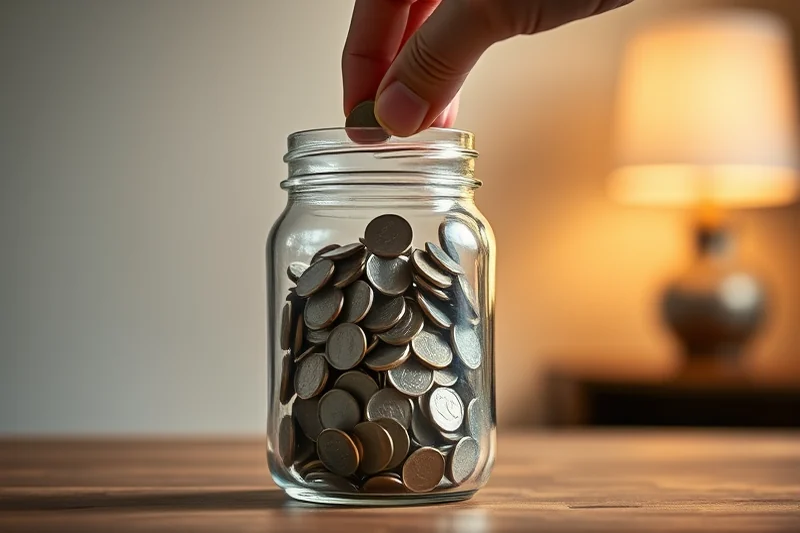
Setting up a debt snowball tools template is the first step in implementing the debt snowball method. You can create a simple spreadsheet with columns for debt name, balance, interest rate, minimum payment, and monthly payment. I used this method and paid off my $12,000 debt in 18 months by following a clear, organized plan.
I recommend including a column for the total amount you plan to pay each month, as well as a running total for your debt. This helps you see how much you’ll pay off each month and how quickly your debt will decrease. I used a free template I found online and customized it to fit my needs.
Once your template is ready, you can begin making payments. I suggest starting with the smallest debt and making extra payments on it every month. This gives you a sense of accomplishment and keeps you motivated to continue.
A well-organized template can be your best friend when it comes to paying off debt.
Related: Debt snowball tools on a budget
Creating a Realistic Budget for Your Debt Snowball
Creating a realistic budget is one of the most important steps in the debt snowball method. I used a budgeting app that helped me track my income and expenses and allocate money toward my debt. I found that by cutting back on non-essential expenses, I could free up hundreds of dollars each month to pay off my debt faster.
I recommend using the 50/30/20 rule as a starting point. This means allocating 50% of your income to needs, 30% to wants, and 20% to savings and debt. I used this method and was able to pay off my credit card debt within two years.
I also found that setting up automatic transfers to a separate savings account for debt payments helped me stay on track. This way, I didn’t have to think about it every month, and the money was already set aside.
Allocate 50% of your income to needs, 30% to wants, and 20% to savings and debt. This helps you balance your spending while working toward paying off your debts.
“I remember the first time I faced down my credit card debt.”— SnowballStart editors
Related: Easy debt snowball templates
Staying Motivated While Using the Debt Snowball Method

Staying motivated is one of the biggest challenges when paying off debt. I found that celebrating small victories, like paying off a credit card, helped me stay on track. I also used a debt snowball tools template to track my progress and see how much debt I had paid off each month.
I recommend setting specific goals, like paying off a certain amount of debt each month, and rewarding yourself when you reach them. I used this strategy and found that it kept me motivated even when the process got tough.
Another thing that helped me was staying focused on the long-term benefits of paying off my debt. I reminded myself that this would free me from financial stress and allow me to build a better financial future.
Related: Debt snowball templates for beginners
Tracking Your Progress with Debt Snowball Tools
Tracking your progress is essential when using the debt snowball method. I used a free debt snowball tools template to keep track of my payments and see how quickly my debt was decreasing. This helped me stay motivated and stay on track with my financial goals.
I also found that using a budgeting app helped me manage my money better and allocate funds toward my debt. I could see exactly how much I was spending each month and where I could cut back. This made the process more manageable and less overwhelming.
Another thing I recommend is setting up automatic payments for your debt. This way, you don’t have to think about it every month, and the money is already set aside. I used this method and was able to pay off my debt faster than I expected.
💰 Tight Budget Plan
This plan is ideal for those on a limited budget who want to pay off debt without sacrificing basic needs.
🚀 Aggressive Payoff Plan
For those who want to pay off their debt as quickly as possible, this plan involves making larger payments and cutting expenses wherever possible.
🔄 Irregular Income Plan
This plan is designed for people with fluctuating incomes, helping them manage their debt payments without falling behind.
👫 Couples Debt Plan
This plan is tailored for couples who want to pay off their joint and individual debts together.
🌱 Beginner’s Plan
This plan is perfect for people who are new to the debt snowball method and need a simple, step-by-step guide.
| The mistake | Why it happens | The fix |
|---|---|---|
| Not tracking your progress | Without tracking your progress, it’s easy to lose sight of your goals and fall off track. | Use a debt snowball tools template or a budgeting app to track your payments and see how much debt you’re paying off each month. |
| Making only minimum payments | Making only minimum payments can cause your debt to grow over time due to interest and fees. | Allocate extra money toward your smallest debt each month to pay it off faster and build momentum. |
| Ignoring your budget | Ignoring your budget can lead to overspending and make it harder to pay off your debt. | Create a realistic budget and stick to it. I used the 50/30/20 rule as a starting point and stayed on track with my financial goals. |
| Not celebrating small wins | Failing to celebrate small wins can make the process feel overwhelming and discourage you from continuing. | Celebrate your progress by setting specific goals and rewarding yourself when you reach them. This helps keep you motivated and on track. |
Related: Debt snowball tools templates ideas
Debt Snowball Tools Templates Step By Step
Related: Debt snowball tools that actually work
Automating Your Debt Snowball with Apps and Spreadsheets
Automating your debt snowball can save time and reduce errors. Use apps or spreadsheets to track payments and update balances automatically.
I use a combination of Excel spreadsheets and apps like YNAB (You Need A Budget) to keep my debt snowball on track. Setting up formulas in Excel to calculate remaining balances after each payment has eliminated manual calculation errors. These tools also let me visualize my progress through charts, which keeps me motivated and focused on the end goal. I update my spreadsheet every time I make a payment, which ensures that my debt snowball remains accurate and aligned with my budget.
YNAB is particularly useful because it forces me to allocate every dollar toward specific goals, including debt payments. This approach prevents overspending and ensures that my debt snowball has a consistent flow of funds. I’ve also used apps like Goodbudget, which sync with my bank accounts and automatically categorize my expenses, making it easy to see where money is going. The convenience of these tools means I can focus more on paying down debt and less on managing spreadsheets manually.
Automation doesn’t replace the need for a budget, but it does make budgeting more efficient. For example, I set up automatic transfers to my debt accounts each month, which ensures that payments are made on time without me having to remember. This has helped me avoid late fees and maintain a good credit score. I’ve also used free templates from personal finance blogs to create custom debt snowball trackers tailored to my specific debts and income. These tools have made the process of paying off debt feel less overwhelming and more systematic.
Common Questions
How long does it take to pay off debt with the snowball method?
Can I use the debt snowball method with different types of debt?
Do I need to negotiate with creditors to use the debt snowball method?
What tools can I use to track my progress?
References
- Relationship Between Financial Literacy and Financial Behavior ... (digitalcommons.andrews.edu)
- A financial empowerment toolkit - files.consumerfinance.gov. (files.consumerfinance.gov)
- Occupational Therapy's Role in Community Integration for Sex ... (riches.cabarruscollege.edu)
- CONGREGATIONS, PERSONAL FINANCIAL LITERACY TEACHING ... (scholarworks.indianapolis.iu.edu)
Cite this guide
SnowballStart (2026). Debt Snowball Tools Templates Step By Step. https://snowballstart.com/debt-snowball-tools-templates-step-by-step/
Feel free to cite or share this guide.