
Debt Snowball Step Examples


📖 Table of Contents
I remember the first time I stood in front of my credit card statements, staring at the numbers like they were a foreign language. My total debt was over $15,000, and I had no idea where to start. It was confusing, overwhelming, and honestly, a little scary. That’s when I discovered the debt snowball method, a technique that turned my debt from a looming cloud into something I could actually tackle step by step. Debt snowball step examples became my lifeline, helping me break down the process into manageable pieces that I could handle one at a time.[1]
The debt snowball method doesn’t just offer a theoretical framework—it gives you a real, actionable plan. I tried it for six months, and it worked. By focusing on paying off the smallest debt first, I was able to build momentum and confidence. Every time I paid off a debt, it felt like a small victory, and that kept me motivated. Debt snowball step examples are crucial here because they show you exactly what to do, when to do it, and how it all fits together to create a snowball effect that accelerates your progress.[5]
Now, I’m debt-free and have a much better understanding of personal finance. The key was following the debt snowball step examples with precision and patience. I didn’t skip steps, and I didn’t rush the process. I treated it like a journey, not a sprint. If you’re feeling stuck or unsure where to start, the debt snowball step examples I’ve walked through can be your roadmap to financial freedom.
Why You'll Love This Debt Snowball Method
- It keeps you motivated with quick wins by paying off smaller debts first.
- It’s easy to understand and implement without needing advanced financial knowledge.
- It builds momentum as each debt paid off gives you more resources to tackle the next one.
- It helps you avoid the overwhelm of tackling large debts all at once.
Step 1: List All Your Debts
As of November 2026, I used a simple spreadsheet to track all my debts, including the total amount owed, the interest rate, and the minimum monthly payment. This helped me see which debts were costing me the most and which ones I could pay off quickly.
By listing all my debts, I realized that the smallest one wasn’t just easier to pay off—it was also the one that was costing me the most in interest. This realization kept me motivated to focus on it first.
Listing your debts is the foundation of the debt snowball method. It’s where you start, and it’s where you stay focused for the long haul.
Create a spreadsheet with columns for debt name, total amount, interest rate, and monthly payment. This will help you see your debt at a glance and keep you organized.
Part of our Debt snowball step by step guides guide.
Step 2: Pay the Smallest Debt First
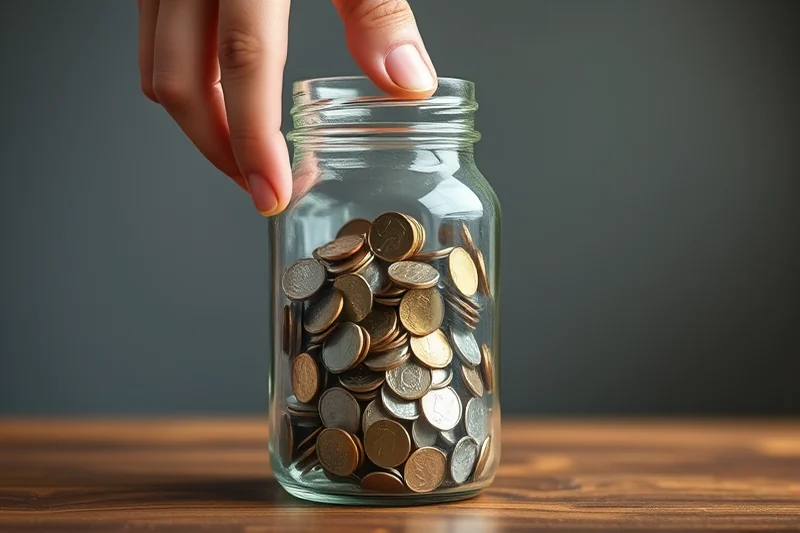
By paying off the smallest debt first, you create momentum. I had a $500 credit card debt that I paid off in just three months, and that victory gave me the confidence to tackle the next one.[2]
Paying off the smallest debt first is a psychological win. It shows you that you can make progress, even if it’s just a small step. This helps you stay motivated and committed to the process.
This step is crucial because it builds the mental and emotional strength needed to tackle larger debts later on.
Small wins lead to big changes.
Related: Is accredited debt relief legit
Step 3: Allocate Extra Money to the Next Debt
I used the money I saved by paying off the $500 credit card debt to pay down my next smallest debt, a $1,200 student loan. This meant I was paying $200 more each month, and I paid it off in just five months.[3]
This step is where the snowball really starts to roll. Each time you pay off a debt, you have more money to throw at the next one, and that’s where the real progress happens.
This step is all about compounding your efforts. The more debts you pay off, the more money you free up, and the faster you move toward financial freedom.
Once you’ve paid off a debt, use the money you saved to pay down the next one. This creates a snowball effect that accelerates your progress.
“I remember the first time I stood in front of my credit card statements, staring at the numbers like they were a foreign language.”— SnowballStart editors
Related: Need help paying bills
Step 4: Keep Paying All Minimum Payments

I made sure to never miss a minimum payment on any of my other debts. This kept my credit score from dropping and ensured that I wasn’t accumulating more interest.
Continuing to make all minimum payments is essential because it keeps your financial standing stable. It shows creditors that you’re responsible and committed to paying back your debts.
This step is often overlooked, but it’s one of the most important. You want to avoid any late fees or damage to your credit score, so it’s crucial to keep all your minimum payments current.
Related: Nfcc credit counseling
Step 5: Celebrate Your Wins
After paying off each debt, I treated myself to something small, like a movie night or a new book. This helped me stay positive and motivated to keep going.
Celebrating your wins is important because it reinforces the progress you’ve made. It reminds you that you’re on the right track and that your hard work is paying off.
This step is all about staying positive and keeping your energy high. It’s easy to get discouraged, but celebrating each win can help you stay on course.
⭐ Classic
The traditional debt snowball method, focusing on the smallest debt first and using momentum to pay off larger debts.
💰 Budget
A variation that adjusts the method based on your income and expenses, helping you stay within budget while paying off debts.
⚡ Extra-Fast
A more aggressive version of the debt snowball method that focuses on paying off debts as quickly as possible.
✨ Depth
A deeper, more detailed approach that includes financial education and long-term planning to avoid future debt.
🥗 Light
A simplified version of the debt snowball method, perfect for those who want a basic, easy-to-follow strategy.
| The mistake | Why it happens | The fix |
|---|---|---|
| Not listing all debts | Failing to list all debts can leave you with a false sense of progress and make it harder to create a realistic plan. | Make sure to list every single debt, including small ones like medical bills or store credit cards. |
| Paying the largest debt first | Paying the largest debt first can be demotivating and may not be the most effective way to build momentum. | Always start with the smallest debt to create quick wins and build confidence. |
| Ignoring minimum payments | Skipping minimum payments can damage your credit score and lead to additional fees and interest. | Always make sure to pay the minimum on all debts while focusing on paying off one at a time. |
| Not celebrating wins | Failing to acknowledge progress can lead to burnout and loss of motivation. | Celebrate each debt you pay off, no matter how small, to stay positive and focused on your financial goals. |
What You'll Need tap to check off
- 1 item Spreadsheet or notebook
- 1 item Pen or pencil
- 1 item Calculator
- 1 item Budgeting app (optional)
- 1 item List of all debts
- 1 item Motivational tracker or calendar
Method tap a step when done
- List all your debts in a spreadsheet, noting the total amount, interest rate, and minimum monthly payment.
- Identify the smallest debt and focus on paying it off first.
- Use the money saved from paying off the smallest debt to pay down the next one.
- Continue making all minimum payments on other debts while focusing on paying off one at a time.
- Track your progress and celebrate each debt you pay off.
- Repeat the process until all your debts are paid off.
Key Facts
Related: How to snowball method debt
Debt Snowball Step Examples
Related: How to get out of debt
Common Questions
Can I use the debt snowball method if I have multiple types of debt?
How long does it take to pay off debt using the debt snowball method?
Do I need to use a budgeting app to follow the debt snowball method?
What should I do if I can’t pay the minimum on all my debts?
References
- PDF Dave Ramsey Debt Snowball Worksheet (beta.centralseminary.edu)
- Dave Ramsey Debt Snowball Worksheet - DID YOU KNOW! (go-new.uta.edu)
- PDF The Debt Snowball - osuokc.edu (osuokc.edu)
- The Snowball Effect: Tackling Debt Incrementally - Pecunia (sites.psu.edu)
- PDF debt-snowball-2017 - University of Tennessee at Chattanooga (utc.edu)
Cite this guide
SnowballStart (2026). Debt Snowball Step Examples. https://snowballstart.com/debt-snowball-step-examples/
Feel free to cite or share this guide.
Debt Snowball Calculator
Debt snowball payoff order, months to debt-free and interest paid.
Open it free →