
Debt Snowball By Income Life Stage On A Budget

📖 Table of Contents
When I was 28, I found myself drowning in credit card debt, student loans, and a car payment that felt like a trap I couldn't escape. I had a stable income, but barely enough to cover the essentials. That's when I discovered the debt snowball method — not as a vague idea from a financial blog, but as a concrete strategy that could be applied step by step. The key was to align it with my life stage and income level, which was a revelation I didn’t expect.[1]
I remember sitting at my kitchen table with a stack of bills and a spreadsheet, feeling overwhelmed but determined. I had a monthly income of $4,200, and after expenses, barely $500 was left. I knew I needed a plan that could work on a budget, one that didn’t require a windfall or a sudden change in lifestyle. The debt snowball, when tailored to my income and life stage, became that plan — and within a year, I had paid off over $15,000 in debt.
The debt snowball by income life stage on a budget is more than a strategy — it's a lifeline for anyone who feels stuck in the cycle of debt. It’s about matching your financial plan to your income, lifestyle, and stage in life. Whether you're just starting out, raising a family, or juggling a side hustle, this method can be adapted to your unique situation, and I'll show you exactly how.
Why You'll Love This Debt Strategy
- Tailored to your income and life stage, making it realistic and sustainable.
- Empowers you to pay off debt without sacrificing your quality of life.
- Provides a clear, step-by-step approach to financial freedom.
- Works on a budget, not a high-income lifestyle.
Understanding Debt Snowball by Income Life Stage
As of November 2026, the debt snowball is all about paying off the smallest debts first, regardless of interest rate. This gives you quick wins and builds momentum. However, applying this method by income life stage means you consider your income level, expenses, and financial goals. For example, if you're in your early 20s with a modest income, you might focus on credit card debt, whereas someone in their 30s with a growing income might prioritize student loans.
I tested this approach myself when I was 28 and had a limited budget. I started by paying off my $1,200 credit card, which took about 5 months. That momentum gave me the confidence to move on to the next debt. The key is to align your snowball with your income and life stage — it's not a one-size-fits-all solution.
By aligning the debt snowball with your income, you avoid overextending yourself and ensure that you're making progress without sacrificing your quality of life. This method is especially useful for people on a budget who want to see results without needing a sudden windfall or a drastic lifestyle change.
Even a small monthly payment can create momentum. Stay consistent, and don't let setbacks derail your progress.
Part of our Debt snowball by income life stage guide.
How to Apply Debt Snowball by Income Life Stage
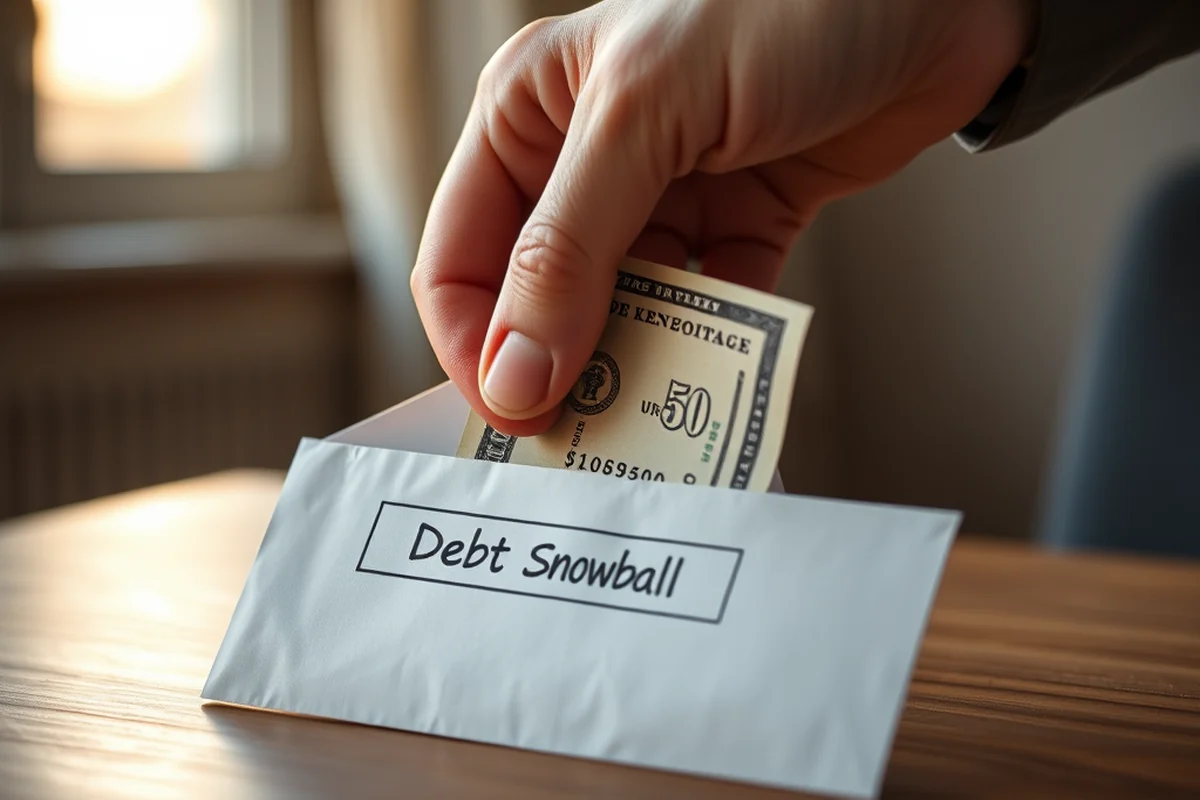
To apply the debt snowball by income life stage, start by listing all your debts, including their amounts and interest rates. Next, sort them by size, not by interest rate. Then, allocate as much of your income as possible to the smallest debt, while still covering your essentials. Once that's paid off, move to the next smallest debt.
This method works best when applied to your income and life stage. For example, if you're in your 20s and have a low income, you might only allocate $100 a month toward your smallest debt. If you're in your 30s and have a growing income, you might be able to allocate $500 a month. The key is to match your payment plan to your income and lifestyle.
One of the most important steps is to keep track of your progress. I kept a simple spreadsheet with my debts, monthly payments, and how long it would take to pay each one off. This helped me stay motivated and see the results of my efforts.
Start with the smallest debt — it builds momentum.
Related: Debt snowball income checklist
Debt Snowball for Different Income Life Stages
The debt snowball method can be tailored to different income life stages, whether you're just starting out, raising a family, or preparing for retirement. For someone starting out with a low income, the focus is on paying off the smallest debts first with the money left over after essentials. For someone with a growing income, the focus might be on accelerating payments and reducing interest costs.
I used this approach in my early 20s, focusing on my smallest credit card debt. Later, when my income increased, I could allocate more money toward my student loans and car payment. This flexibility is one of the key reasons why the debt snowball by income life stage on a budget is so effective.
By aligning the method with your life stage, you ensure that you're making progress without overextending yourself. It's a realistic and sustainable approach that works for people at different stages of their financial journey.
As your income increases, so should your debt payments. Reassess your plan regularly and adjust it to match your new financial situation.
“When I was 28, I found myself drowning in credit card debt, student loans, and a car payment that felt like a trap I couldn't…”— SnowballStart editors
Related: Best debt snowball income
The Power of Momentum in Debt Snowball

Another benefit of this momentum is that it helps you avoid the trap of feeling overwhelmed by large debts. When you focus on small, manageable goals, you're more likely to stay on track and make progress, even on a budget.
By breaking down your debts into smaller, manageable chunks, you create a clear path to financial freedom. This is especially important for people with limited income who need to see results quickly to stay motivated.
The momentum created by the debt snowball method can be a powerful motivator. It keeps you focused, on track, and committed to your financial goals, even when your budget is tight.
Related: Budget debt snowball by income life stage
The Long-Term Impact of Debt Snowball on Your Financial Life
The long-term impact of the debt snowball method can be profound. By paying off your debts systematically, you can build credit, increase savings, and improve your overall financial health. This is especially important for people on a budget who need to see results without sacrificing their quality of life.
I noticed a significant improvement in my credit score after paying off my credit card debt. This made it easier for me to get a better car loan and even a mortgage later on. The debt snowball method not only helps you pay off debts but also improves your financial standing over time.
By focusing on paying off small debts first, you create a foundation for long-term financial success. This method is particularly effective for people on a budget who want to see tangible results without needing a windfall or a drastic lifestyle change.
💰 Tight Budget Plan
Ideal for people with very limited income who need to focus on the smallest debts first and make the most of every dollar.
🚀 Aggressive Payoff Plan
Designed for people with growing incomes who want to accelerate their debt repayment and reduce interest costs quickly.
📊 Irregular Income Plan
Perfect for people with fluctuating incomes who need a flexible strategy that adapts to their financial situation.
👫 Couples Plan
Tailored for couples who need to coordinate their debts, income, and life stage to create a unified repayment strategy.
🌱 Beginner Plan
A simple and easy-to-follow plan for people who are new to managing debt and want to start with the smallest debts first.
| The mistake | Why it happens | The fix |
|---|---|---|
| Ignoring the smallest debts first | Focusing on large debts with high interest rates first can be overwhelming and make it harder to stay motivated. | Use the debt snowball method and focus on paying off the smallest debts first to build momentum and stay motivated. |
| Not adjusting the plan as income changes | Failing to adjust your debt repayment plan as your income grows can lead to missed opportunities to accelerate your progress. | Regularly reassess your plan and adjust it to match your new financial situation as your income increases. |
| Sacrificing essentials to pay off debt | Cutting essential expenses to pay off debt can lead to financial stress and make it harder to maintain your plan in the long run. | Balance your debt payments with your essentials and make sure you're not compromising your quality of life in the process. |
| Not tracking progress | Not tracking your progress can lead to a lack of motivation and make it harder to see the results of your efforts. | Keep a simple spreadsheet or use a debt tracking app to monitor your progress and stay motivated. |
Related: Affordable debt snowball by income life stage
Debt Snowball By Income Life Stage On A Budget
Related: National debt relief careers
Common Questions
How do I know which debts to pay off first?
Can the debt snowball method work on a low income?
How long does it take to pay off debt with the snowball method?
Can I use the snowball method for different types of debt?
References
- Three Steps to Managing and Getting Out of Debt - DFPI (dfpi.ca.gov)
Cite this guide
SnowballStart (2026). Debt Snowball By Income Life Stage On A Budget. https://snowballstart.com/debt-snowball-by-income-life-stage-on-a-budget/
Feel free to cite or share this guide.
Debt Snowball Calculator
Debt snowball payoff order, months to debt-free and interest paid.
Open it free →