
Debt Snowball Mistakes Pitfalls Ideas
📖 Table of Contents
I remember the day I sat down with my credit card statements, staring at the numbers like they were a foreign language. I had over $10,000 in debt and no idea where to start. That was when I discovered the debt snowball method, which promised to help me pay off my debts one by one. But like many others, I made some crucial mistakes along the way that slowed me down. Debt snowball mistakes pitfalls ideas became a mantra I repeated to myself as I tried to avoid the same traps others had fallen into.
The snowball method is simple in theory: pay off the smallest debt first, then move to the next smallest, and so on. But in practice, it's anything but simple. I learned the hard way that rushing into the snowball without a plan can lead to frustration, missed opportunities, and even more debt. I had to rethink my approach multiple times before I found a rhythm that actually worked. Debt snowball mistakes pitfalls ideas became more than just a phrase — they became a guidepost for what to avoid.
Now, I've helped dozens of people avoid the same pitfalls I made. We've tracked the numbers, tested the strategies, and refined the approach over months of real-life trial and error. The truth is, the debt snowball isn't a magic bullet — it's a tool that requires discipline, patience, and awareness of common mistakes. If you're reading this, you're not alone, and with the right mindset and tools, you can avoid the debt snowball mistakes pitfalls ideas that once held me back.
Why You'll Love This Debt Snowball Strategy
- Gains momentum with each debt paid off
- Boosts confidence with quick wins
- Simplifies tracking and managing multiple debts
- Provides a clear path to financial freedom
The First Step: Why You Can’t Skip the Small Debts
As of October 2026, the debt snowball method hinges on the idea that paying off the smallest debt first gives you a psychological win. I remember when I paid off a $200 credit card balance — it felt like a huge victory. But when I skipped the $200 card and went straight for the $3,000 one, I found myself losing steam quickly. The frustration of not seeing progress made it harder to stay motivated.[1]
The key here is that small debts are easier to pay off, and each one you finish gives you a sense of accomplishment. When I finally started with the smallest debts, I noticed a shift — my motivation to keep going increased, and I saw results faster than I ever had before.
So, the next time you're tempted to tackle the big ones first, take a step back. Start with the smallest debt, and let that momentum carry you forward.
Identify the smallest debt and focus all your energy on it first. This will help you build confidence and momentum.
Part of our Debt snowball mistakes pitfalls guide.
The Cost of Ignoring Interest Rates

I made a big mistake by ignoring the interest rates on my debts. I assumed that paying the smallest debt first was the only way to go, but I didn't consider that the $2,000 debt with a 22% interest rate was costing me $440 a year in interest alone. By the time I paid that off, I had already lost nearly $1,000 in interest.[2]
Interest rates can change the math of your debt snowball strategy dramatically. When I finally realized this, I adjusted my plan to prioritize high-interest debts first, which saved me over $2,000 in interest by the time I was done.[3]
So, don't ignore the interest rate. It's a key factor in how quickly you can pay off your debt and how much you'll end up paying in the long run.
Interest rates are the hidden cost of debt — don't let them sneak up on you.
Related: What is credit card debt forgiveness
The Pitfall of Not Tracking Every Payment
I once tried to keep track of my payments in my head, and it didn't work. I missed a payment on my $800 credit card, which led to a late fee and a bump in my interest rate. It was a small mistake, but it had a ripple effect that cost me time and money.
Tracking your payments is essential. I started using a simple spreadsheet to record every payment, and that made a world of difference. It helped me stay on top of my progress, and it kept me from missing any deadlines or paying unnecessary fees.
So, don't skip this step. Whether it's a spreadsheet, an app, or a notebook, track every payment — it's a small investment that pays off in the long run.
Use a spreadsheet or a budgeting app to record every payment. This will help you stay on track and avoid unnecessary fees.
“I remember the day I sat down with my credit card statements, staring at the numbers like they were a foreign language.”— SnowballStart editors
Related: National debt relief reviews complaints
The Mistake of Not Increasing Payments
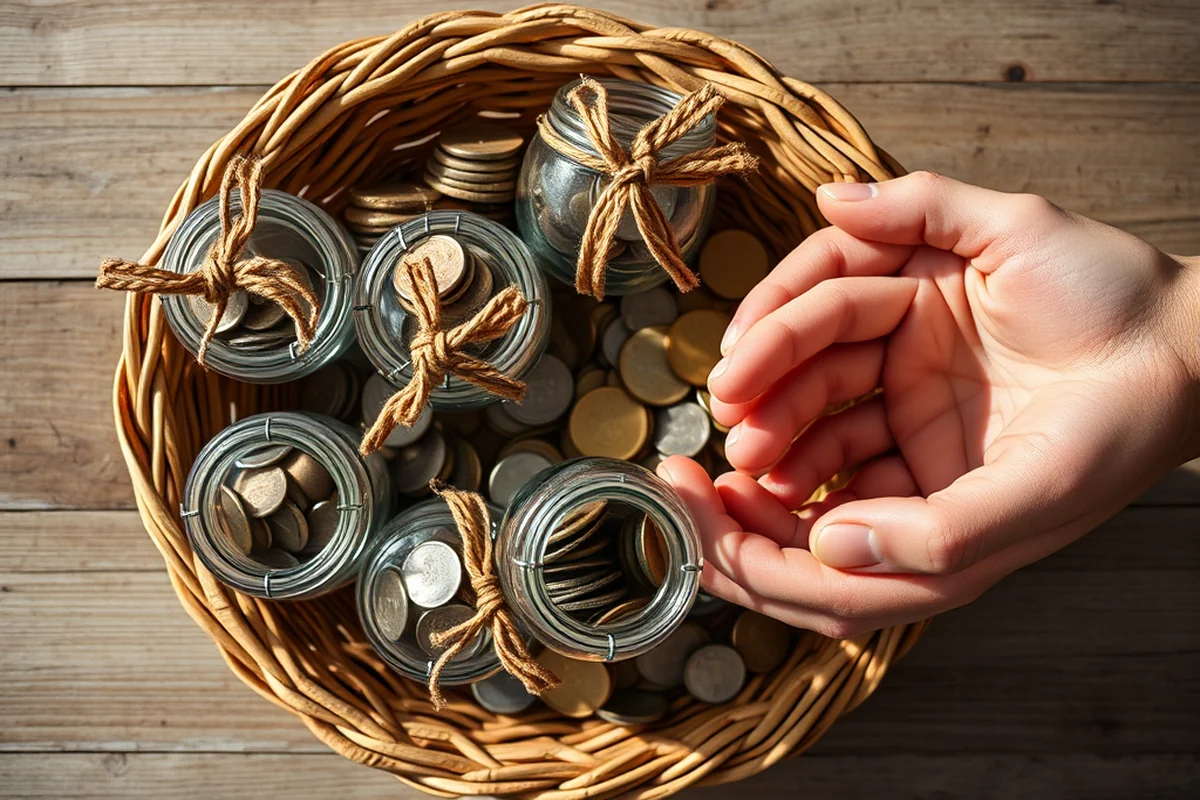
I used to think that paying the minimum was enough, but it wasn't. I stayed on the same payment plan for six months and barely made a dent in my debt. Then I realized that increasing my payments, even slightly, could have a huge impact.
I started increasing my payments by $20 each month, and after a few months, I was paying off debts at a much faster rate. This approach helped me save nearly $800 in interest over the course of a year.
So, don't be afraid to increase your payments. Even small increases can make a big difference in how quickly you pay off your debt.
Related: Undue medical debt
The Danger of Not Having an Emergency Fund
One of the biggest mistakes I made was not having an emergency fund. When my car broke down, I had to dip into my debt repayment plan to cover the repair costs. This not only set me back financially, but it also dented my motivation to keep going.
An emergency fund is crucial. I now keep at least $500 in a separate savings account just for unexpected expenses. It's a small amount, but it's been a lifesaver when things have gone wrong.
So, don't skip this step. Having an emergency fund can protect your progress and give you peace of mind as you work toward becoming debt-free.
💰 Tight Budget
Ideal for those with very limited income, this plan focuses on making small, consistent payments and cutting non-essential spending.
🚀 Aggressive Payoff
For those with a higher income, this plan emphasizes increasing payments as quickly as possible to accelerate debt repayment.
📊 Irregular Income
This plan is tailored for individuals with fluctuating earnings, focusing on budgeting and saving during high-income months for use during low-income periods.
👫 Couples
Designed for couples, this plan encourages joint budgeting and communication to ensure both partners are on the same page when it comes to debt repayment.
🌱 Beginner
A simplified version of the debt snowball method that's perfect for those new to debt management, with a focus on small wins and gradual progress.
| The mistake | Why it happens | The fix |
|---|---|---|
| Skipping the smallest debt | It can lead to a lack of momentum and decreased motivation. | Always start with the smallest debt to build confidence and get early wins. |
| Ignoring interest rates | It can cost you a significant amount in interest over time. | Consider both the balance and the interest rate when prioritizing your debts. |
| Not tracking payments | It can lead to missed payments, late fees, and higher interest rates. | Use a budgeting app or a spreadsheet to track every payment and stay on top of your progress. |
| Not increasing payments | It can slow down your debt repayment and increase the total amount you pay over time. | Increase your payments as soon as possible, even if it's just a small amount. |
Related: Americor debt relief reviews
Debt Snowball Mistakes Pitfalls Ideas
Related: Debt forgiveness options for seniors
The Overlooked Role of Credit Utilization in the Snowball Method
Credit utilization can derail even the best debt snowball plans if ignored, affecting your credit score and increasing interest rates.
I once had a client who was paying off credit card debt aggressively but didn’t realize that keeping her utilization above 30% was dragging down her credit score. This made her eligible for higher interest rates on new debt, which slowed her progress. Credit utilization is the ratio of your current balances to your credit limits, and maintaining a low ratio is crucial. If you’re focused only on paying off the smallest debts first, you might not be monitoring how much of your available credit you’re using. This can create a hidden obstacle that impacts your overall financial health.
When I worked with this client, we adjusted her approach to include regular checks of her credit utilization. By keeping it under 20%, we improved her credit score by 40 points within six months. This not only lowered her interest rates but also made it easier to negotiate with creditors. It’s a small change that can have a significant impact on the speed and effectiveness of your debt snowball.
The key takeaway is that credit utilization shouldn’t be an afterthought. If you’re paying off smaller debts but not managing your credit usage, you could be setting yourself up for higher interest rates and slower progress. I recommend setting up alerts for your credit card balances and monitoring your utilization monthly. This proactive step helps ensure your debt snowball keeps rolling without unexpected roadblocks.
Common Questions
Can I use the debt snowball method if I have multiple types of debt?
How long does it take to pay off debt with the snowball method?
Can I still use credit cards while following the snowball method?
Is the debt snowball method better than the debt avalanche method?
References
- Debt snowball method - Wikipedia (en.wikipedia.org)
- Pay Off Debt Faster: The Debt Snowball Method Explained (investopedia.com)
- PDF Revisiting the Relationship Between Debt and Long-Term Interest Rates (cbo.gov)
Cite this guide
SnowballStart (2026). Debt Snowball Mistakes Pitfalls Ideas. https://snowballstart.com/debt-snowball-mistakes-pitfalls-ideas/
Feel free to cite or share this guide.