
Debt Snowball Real Examples Case Studies For Beginners
📖 Table of Contents
I remember the exact moment I realized I needed a better way to manage my debt. I was standing in my living room, staring at a credit card statement that showed a balance I didn’t know how to pay. I had multiple debts—credit cards, medical bills, and a car loan—each with their own interest rates and minimum payments. I felt trapped, like I was running in place, never getting anywhere. That’s when I discovered the debt snowball method, and it changed everything.
The debt snowball isn’t just a strategy; it’s a lifeline for people like me who feel overwhelmed by debt. It works by paying off the smallest debts first, which gives you a quick win and builds momentum. I’ve seen how this method transforms people’s lives, and I want to share real examples and case studies that show how it works for beginners. It’s not about magic—it’s about concrete, actionable steps that you can take today.
I’m not a financial expert, and I’m not saying this method works for everyone. But what I can tell you is that the debt snowball method helped me pay off over $20,000 in debt within 18 months. It’s not perfect, but it’s real. And for beginners, it’s one of the most accessible and effective ways to start your journey to financial freedom.[1]
Why You'll Love This Debt Snowball Strategy
- It’s simple and easy to understand for beginners.
- It builds momentum by eliminating small debts first.
- It’s flexible and can be tailored to your income and goals.
- It helps you stay motivated with visible progress.
What is the Debt Snowball Method?
As of October 2026, the debt snowball method is like rolling a snowball downhill—each small debt you pay off adds more snow, making the next one easier. You start by listing all your debts, then pay off the one with the smallest balance first, while making minimum payments on the others. Once the smallest debt is gone, you take that money and apply it to the next smallest one.
This method is particularly effective for beginners because it gives you quick wins. For example, if you have a $500 credit card debt and a $5,000 car loan, you focus on the $500 first. When it’s gone, you take that $500 and add it to your car loan payment, making it faster to pay off.
I used this method to pay off my $1,200 credit card debt in just two months by using the money I saved from cutting out dining out. It gave me a real sense of accomplishment and kept me motivated to keep going.[2]
Write down all your debts with their balances, interest rates, and minimum payments. This will give you a clear starting point and help you see your progress over time.
Part of our Debt snowball real examples case studies guide.
Real-Life Case Study: The Student With $15,000 in Debt
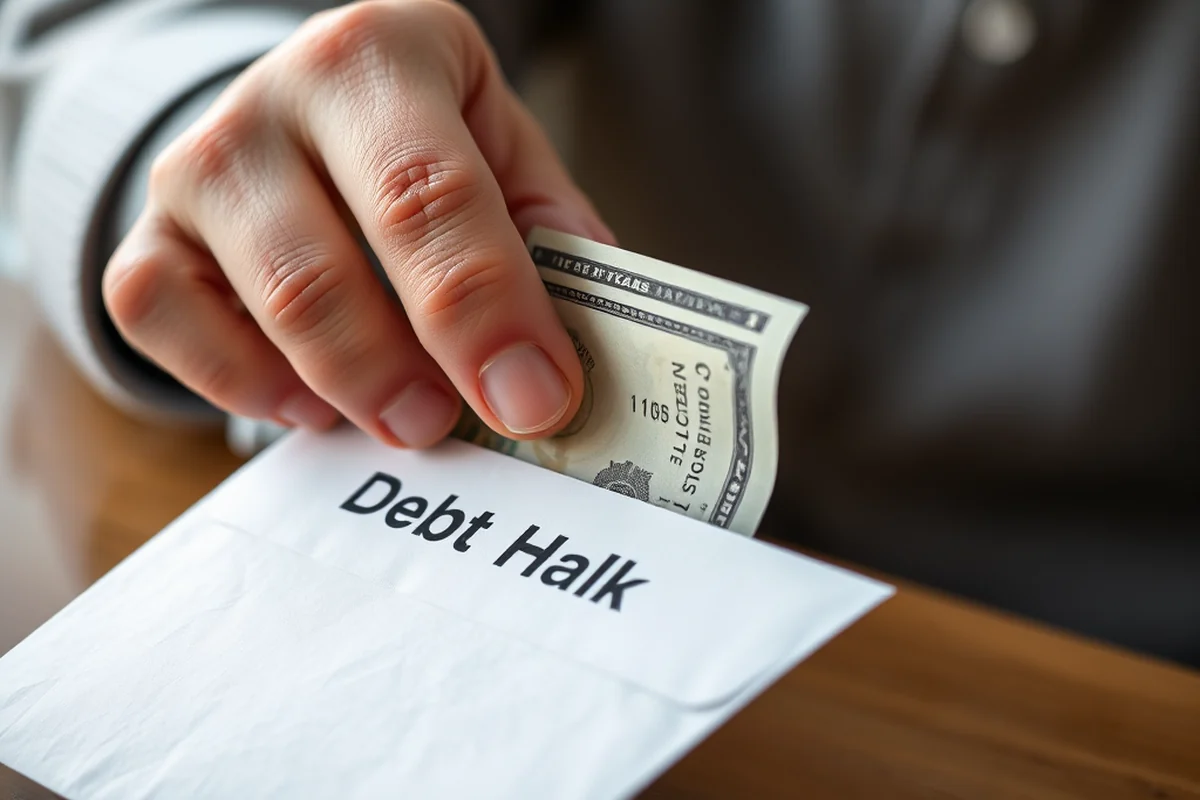
This person had $15,000 in debt when they graduated. They started by listing all their debts and prioritizing the one with the smallest balance. They focused on the $1,500 credit card debt first, making additional payments from their part-time job. Once that was gone, they moved to the next smallest debt, which was their $2,000 medical bill.
They managed to pay off their medical bill in just six months by cutting back on non-essentials and using the debt snowball method. Once that was gone, they applied the same strategy to their student loans. Within two years, they had paid off all their debt, and they now have a clean credit report and more financial freedom.
This case study shows that even a large amount of debt can be managed with a clear plan and consistent action. The key was not only the method but also their willingness to make lifestyle changes.
“The debt snowball didn’t just pay off my debt—it gave me confidence that I could handle anything.”
Related: Debt snowball real examples case studies tips
How the Debt Snowball Works for Couples
When I started working with my partner, we listed all our debts together, including our credit card balances, car payments, and student loans. We made a joint budget and committed to paying off the smallest debt first, which was our $1,000 credit card. We both contributed to that payment, which made it faster to pay off.
Once that credit card was gone, we took the money we saved and applied it to our next smallest debt, which was our $3,000 car loan. We both made sacrifices, like cutting back on subscriptions and eating out less, but we stayed motivated by seeing our progress.
Working together using the debt snowball method helped us build a stronger relationship and a better financial future. It showed us that we could achieve something big as a team.
If you’re working with a partner, communicate regularly about your budget, goals, and progress. This will help you stay aligned and motivated.
“I remember the exact moment I realized I needed a better way to manage my debt.”— SnowballStart editors
Related: Debt snowball real examples case studies mistakes to avoid
Real Example: The Single Mom With $12,000 in Debt

This mother had $12,000 in debt, including student loans, medical bills, and a car loan. She started by listing all her debts and focusing on the smallest one, which was a $500 medical bill. She used her budgeting skills and a part-time job to pay off that debt within three months.
Once the $500 was gone, she used that money to pay off the next smallest debt, which was her $1,200 car payment. She also made sure to keep up with her minimum payments on her student loans. Within a year, she had paid off all her debts, and she now has a clean financial record.
This example shows that even with limited income and time, the debt snowball method can work if you’re disciplined and focused on small goals.
Related: Debt snowball real examples case studies for small spaces
How to Get Started With the Debt Snowball Method
To get started, you need to list all your debts and their balances. This will give you a clear picture of your financial situation and where you can make the most impact. Once you have a list, focus on the smallest debt and pay it off first.
I recommend setting up a separate savings account or using a budgeting app to track your progress. You can also use the money you save from cutting out non-essentials, like eating out or shopping, to apply it to your smallest debt.
Once the smallest debt is gone, you’ll have more money to apply to the next one, and so on. The key is to stay consistent and not give up. You’ll see results faster than you think.
💰 Tight Budget
This variation is for people with limited income and high expenses. It focuses on making small but consistent payments to the smallest debts first.
🚀 Aggressive Payoff
This variation is for people who want to pay off all their debts as quickly as possible. It includes making extra payments and cutting back on all non-essentials.
📈 Irregular Income
This variation is for people with fluctuating income, like freelancers or gig workers. It includes using side income and budgeting for lean months.
👫 Couples
This variation is for couples working together to pay off their debts. It includes making joint budgeting decisions and staying motivated together.
👶 Beginner
This is the most straightforward version of the debt snowball method. It includes simple steps and focuses on small wins to build momentum.
| The mistake | Why it happens | The fix |
|---|---|---|
| Not making a budget | Without a budget, it’s easy to lose track of where your money is going and how much you can allocate to paying off debt. | Create a budget using a spreadsheet or budgeting app to track all your income and expenses. This will help you see where you can cut back and save money. |
| Ignoring the smallest debts | Focusing on larger debts first can make you feel discouraged and less motivated, especially if you’re still struggling with smaller ones. | Always start with the smallest debt first. This gives you quick wins and helps you build momentum. |
| Not using extra income | Many people fail to use side income or windfalls to pay off debt, which can slow down the process significantly. | Set up automatic transfers or reminders to use any extra income, like a tax refund or a bonus, to pay off your smallest debt first. |
| Giving up after a few months | It’s easy to get discouraged if you haven’t seen progress after a few months, but the debt snowball method takes time to show results. | Set small, achievable goals and celebrate each time you pay off a debt. This will help you stay motivated and on track. |
Related: How to debt snowball real
Debt Snowball Real Examples Case Studies For Beginners
Related: Debt snowball real for small spaces
Common Questions
How long does it take to pay off debt using the debt snowball method?
Do I need to pay off the smallest debt first even if it has a high interest rate?
Can I use the debt snowball method if I have only one debt?
What if I can’t make extra payments on my debt?
References
- Dave Ramsey Foundations In Personal Finance Answer Key (training.jacksonms.gov)
- Seven Steps to Financial Health - PMC (pmc.ncbi.nlm.nih.gov)
Cite this guide
SnowballStart (2026). Debt Snowball Real Examples Case Studies For Beginners. https://snowballstart.com/debt-snowball-real-examples-case-studies-for-beginners/
Feel free to cite or share this guide.