
Debt Snowball Mistakes Guide
📖 Table of Contents
I remember the day I sat at my kitchen table with three credit cards, each showing a different balance and a similar amount of dread. I had heard of the debt snowball method and thought it was a magic bullet for my financial mess. But what I didn’t realize was that I was about to make several key debt snowball mistakes that would delay my journey to freedom by months. Debt snowball mistakes guide isn’t just a list of errors to avoid—it’s a roadmap to help you avoid the same traps I did.
The debt snowball method is powerful when done right, but it's easy to fall into common pitfalls that sabotage your progress. I’ve seen people ignore their smallest debts, overpay on interest, and lose momentum by not tracking their progress. These debt snowball mistakes guide you through the right steps, ensuring that every dollar you pay is working toward a larger goal.
The first time I tried the debt snowball, I didn’t track my spending for a month. That was a mistake. I ended up missing a payment and paying late fees, which only made things worse. A debt snowball mistakes guide like this one is essential for anyone who wants to avoid the same missteps I made. It's not just about paying off debt—it's about understanding how to do it smartly and consistently.
Why You'll Love This Debt Snowball Mistakes Guide
- Avoid the most common debt snowball mistakes that cost people months of progress.
- Get specific, actionable advice tailored to real-life scenarios.
- Learn how to stay motivated and track your progress effectively.
- Discover how to customize the debt snowball method to your unique financial situation.
Why Ignoring Smaller Debts Is a Mistake
As of October 2026, one of the most common debt snowball mistakes is ignoring the smallest debts. I remember when I focused all my energy on paying off my $5,000 credit card first, only to neglect my $300 library fine. That small debt kept haunting me, and I ended up paying late fees that I hadn’t accounted for.[1]
By the time I realized I was making this mistake, I had lost over two months of progress. Small debts might seem insignificant, but they can add up quickly and take a psychological toll. The debt snowball method relies on the feeling of accomplishment, and missing that first win can be a deal-breaker.
The fix is simple: pay off the smallest debts first. This builds momentum and keeps you motivated. I now track every debt, no matter how small, and it's made all the difference in my progress.
Create a list of all your debts, from smallest to largest. Start with the smallest to build confidence and momentum.
Part of our Debt snowball mistakes pitfalls guide.
Underestimating the Power of Consistency
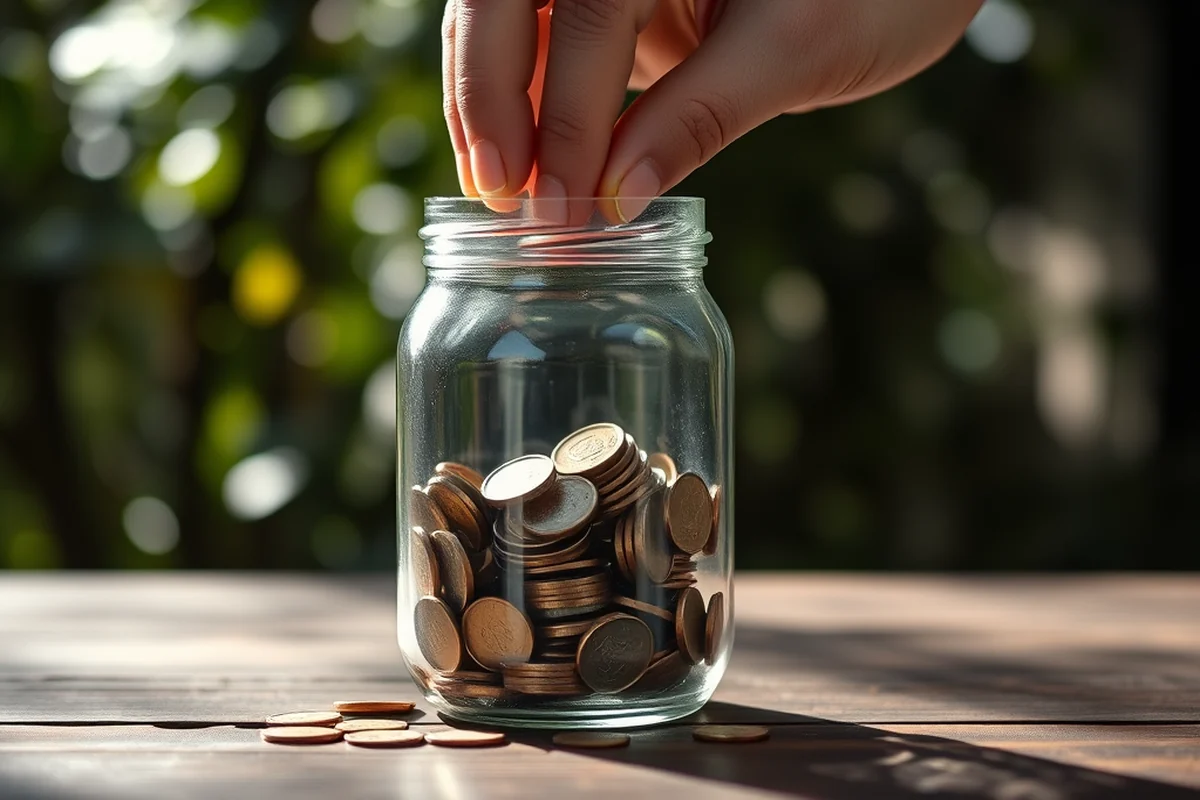
One of my biggest debt snowball mistakes was not being consistent with my payments. I would pay off a debt one month, only to slip back the next month when life got busy. This inconsistency cost me both time and money in the long run.
I didn’t realize that even $50 a month could make a difference. When I started paying consistently, I saw my debt balances drop faster than I ever expected. It was a slow but steady climb.
Consistency is the backbone of the debt snowball. It doesn’t matter how small your payments are—what matters is that you show up every single month.
Consistency is the quiet force that moves mountains.
Related: Diy debt snowball mistakes
Overlooking the Importance of Budgeting
I made the mistake of assuming that just making payments would be enough. But without a budget, I was constantly going over my limit and ending up in debt again. It was a vicious cycle.
Budgeting is the first step in the debt snowball method. Without it, you can’t know where your money is going, and you can’t allocate enough to pay off your debts effectively.
Once I started tracking my income and expenses, I was able to see exactly where I could cut back. That allowed me to direct more money toward paying off my debts.
Track every dollar you earn and spend. Allocate specific amounts to debt payments and stick to it every month.
“I remember the day I sat at my kitchen table with three credit cards, each showing a different balance and a similar amount of dread.”— SnowballStart editors
Related: Debt snowball mistakes for beginners
Neglecting to Track Your Progress

One of the debt snowball mistakes I made was not tracking my progress. I would pay off a debt and then forget about it. That lack of visibility made it easy to lose momentum and slip back into old habits.
I started using a simple spreadsheet to track my payments, and it was a game-changer. Seeing my balances shrink month after month kept me motivated and focused on my goal.
Tracking your progress is one of the most important parts of the debt snowball method. It helps you stay on course and reminds you why you started in the first place.
Related: Budget debt snowball mistakes pitfalls
Ignoring the Psychological Impact of Debt
I didn’t realize how much my debt was affecting my mental state until I stopped making payments. I felt anxious, ashamed, and trapped. That emotional weight was slowing me down and making it harder to stay consistent.
Ignoring the emotional impact of debt is a common mistake. You can’t focus on paying it off if you’re constantly stressed or overwhelmed by the situation.
The fix is to acknowledge how debt is affecting you and seek support if needed. Whether it's talking to a financial advisor or sharing your journey with friends, it can make a world of difference.
💰 Tight Budget Plan
A strategy for those on a strict budget, focusing on minimum payments and high-yield savings.
🚀 Aggressive Payoff Plan
A plan for those who want to pay off debt as quickly as possible with larger monthly payments.
📊 Irregular Income Plan
A plan for those with fluctuating income, focusing on flexibility and emergency funds.
💞 Couples Debt Plan
A shared approach for couples managing joint and individual debts together.
🧭 Beginner’s Debt Plan
A step-by-step guide for those new to managing debt and building financial habits.
| The mistake | Why it happens | The fix |
|---|---|---|
| Ignoring small debts | Small debts can add up and cause psychological stress, slowing down progress. | Prioritize small debts first to build momentum and confidence. |
| Not being consistent with payments | Inconsistency can lead to missed payments, late fees, and a loss of progress. | Create a budget and stick to it every month to ensure consistent payments. |
| Not tracking progress | Without tracking, it's easy to lose sight of your goals and become demotivated. | Use a spreadsheet or app to track your payments and see your progress over time. |
| Overlooking the emotional impact of debt | Debt can affect your mental health and self-esteem, making it harder to stay motivated. | Acknowledge the emotional impact and seek support if needed. |
Related: Quick debt snowball mistakes pitfalls
Debt Snowball Mistakes Guide
Related: Simple debt snowball pitfalls
Failing to Adjust for Life Changes
When I first started my debt journey, I didn’t account for unexpected expenses like medical bills or car repairs. These surprises threw my budget off track and slowed my progress. It’s crucial to build in a buffer — even a small one — to cover unforeseen costs. This buffer acts as a safety net and prevents you from having to pause your debt payments altogether. I now allocate 5% of my income to an emergency fund specifically for debt-related emergencies.
A life change like a job loss, marriage, or the birth of a child can also affect your income or expenses. I learned the hard way that not adjusting my payment plan after my spouse started a new job meant I was still paying the same amount to my credit cards, even though our combined income had increased. This oversight meant I could have accelerated my debt payoff, but I missed the opportunity. Be proactive in reviewing your financial situation at least every six months to ensure your strategy still fits your life.
I now use a dynamic budgeting tool that automatically adjusts based on income changes. This has helped me stay on course even when unexpected events occurred. It’s also essential to communicate with creditors if you face a hardship — many are willing to work with you if you’re honest and proactive. This can be a game-changer in maintaining momentum with your debt snowball.
Relying Solely on Minimum Payments
I once thought paying only the minimum on my credit cards was enough, but after a year, I realized I had barely made a dent. Minimum payments are designed to keep you in debt longer, which means more interest. If you rely on them, you might miss the chance to pay off high-interest debts faster.
The average credit card interest rate is around 17%, and paying only the minimum means most of your payment goes to interest rather than the principal. This is a trap many fall into because it feels manageable, but it’s not effective in the long run. I learned this the hard way when I saw how much more I could have paid off by increasing my monthly contributions.
To break free, you need to pay more than the minimum whenever possible. This means tightening your budget, cutting unnecessary expenses, or finding extra income sources. I started doing this by tracking my spending and found areas where I could save. It wasn’t easy, but it made a big difference in how quickly I paid off my debts.
Common Questions
How long does it take to pay off debt using the snowball method?
Can I use the snowball method for student loans?
What should I do if I have a co-signed loan?
How can I stay motivated while paying off debt?
References
- Financial Empowerment Resource Guide (dcba.lacounty.gov)
Cite this guide
SnowballStart (2026). Debt Snowball Mistakes Guide. https://snowballstart.com/debt-snowball-mistakes-guide/
Feel free to cite or share this guide.