
How To Debt Snowball Real
📖 Table of Contents
I remember the first time I sat down with my credit card statements and realized I was drowning. I had four cards, each with a different interest rate and minimum payment. I felt overwhelmed, like I was standing on a cliff with no way to climb out. It wasn’t until I discovered the debt snowball method that I saw a path forward. The idea was simple: pay off the smallest debt first, then move on to the next, and so on. This method isn’t just a theory—it's a real, actionable strategy that worked for me, and I want to share how you can do the same.
The debt snowball method isn’t just about paying off debt; it’s about gaining control over your finances. When I started using it, I was skeptical. Could this really work? I had seen so many people fail at debt management. But I committed to the plan, and in just a few months, I saw real progress. My credit score improved, my stress levels dropped, and I even started saving again. The key, I learned, was staying consistent and understanding how to apply the debt snowball in real life.
If you're reading this, you’re probably looking for a way to get out of debt without falling into deeper financial trouble. That’s exactly why I wrote this article. I want to walk you through the real, step-by-step process of using the debt snowball method. It’s not just theory—it’s a method I used and lived through. You’ll learn how to apply it, avoid common mistakes, and see real results. This isn’t just about paying off debt; it’s about reclaiming your financial health.
Why You'll Love This Debt Snowball Method
- Simplifies debt management by focusing on small wins first
- Builds momentum as you pay off each debt
- Improves credit score and reduces financial stress
- Empowers you to take control of your financial future
What Is the Debt Snowball Method?
As of October 2026, the debt snowball method is a powerful tool for individuals who are overwhelmed by multiple debts. The concept is based on the idea that paying off smaller debts first can create a sense of accomplishment and momentum, making it easier to tackle larger debts later. When I started, I had four credit cards with balances ranging from $500 to $5,000. I chose to start with the smallest one, which was $500. After a few months, I had it paid off, and that feeling of success motivated me to move on to the next one.[1]
This method works because each time you pay off a debt, you free up more money to pay on the next one. For example, once I paid off my $500 credit card, I used that extra $500 to pay down the next smallest debt. This snowball effect continued, and I found that the more I paid off, the easier it became. The satisfaction of knocking out debts one by one helped me stay motivated through the process.
One of the key benefits of the debt snowball method is that it’s easy to understand and follow. It doesn’t require complex calculations or financial expertise. All you need is a list of your debts, their balances, and interest rates. You prioritize the smallest balance, pay it off first, and then move on to the next one. This simplicity makes it an excellent option for people who are just starting their journey toward financial freedom.
List all your debts and start with the one with the smallest balance. This creates momentum and helps you stay motivated.
Part of our Debt snowball real examples case studies guide.
How the Debt Snowball Works in Practice
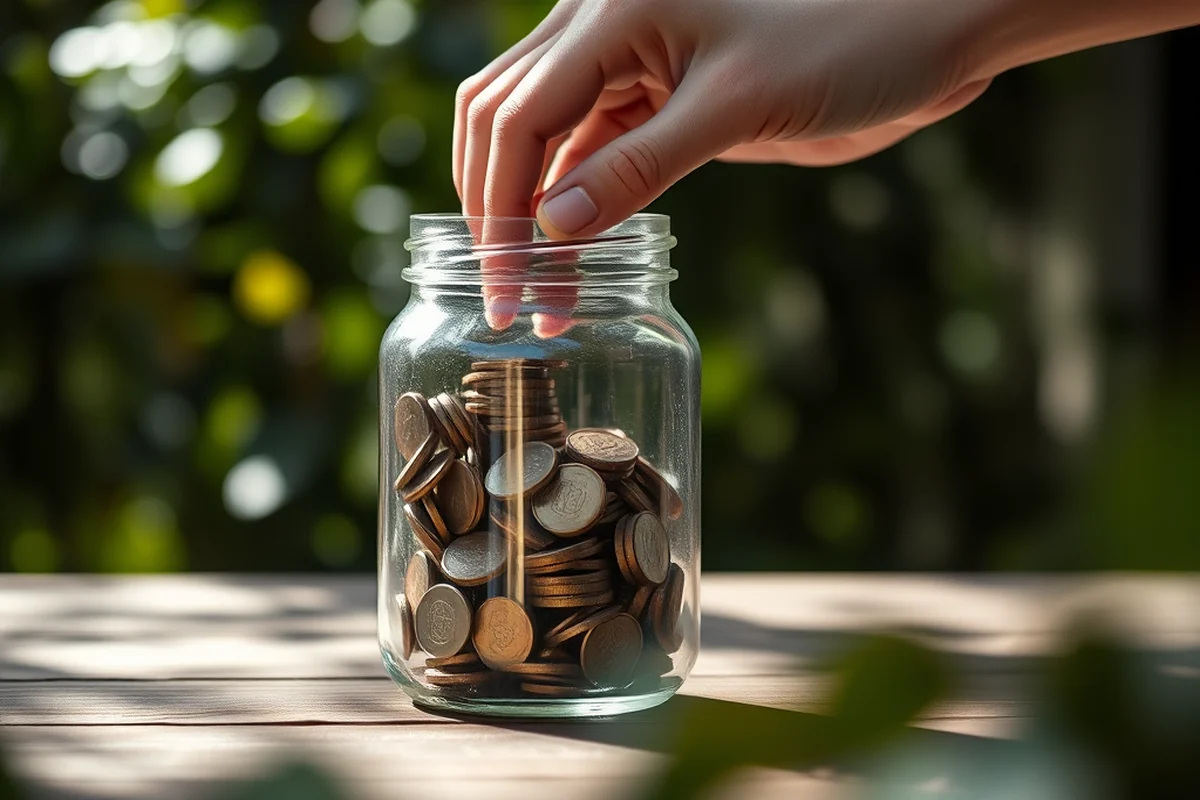
When I first began using the debt snowball method, I listed all my debts, including their balances and interest rates. I then set a goal to pay the minimum payment on all of them and allocate any extra money to the smallest balance. For example, I had a $500 credit card with a 15% interest rate, so I set aside $150 a month to pay it off, while the rest went toward the other debts. This approach helped me focus on the smallest debt without getting overwhelmed by the larger ones.[2]
After a few months, I paid off the $500 credit card and used that money to pay down the next smallest debt. This process created a sense of accomplishment and kept me motivated. The more I paid off, the more money I had to allocate to the next debt. This snowball effect made it easier to manage my finances and stay on track toward becoming debt-free.[3]
One of the most important things I learned was to stay consistent with the method. Even if I had a month where I couldn’t pay as much as I wanted, I made sure to keep paying the minimum on all my debts. This helped me avoid late fees and maintain a good credit score while still making progress on my debt.
Consistency is the key to making the debt snowball method work.
Related: Debt snowball real on a budget
Why the Debt Snowball Method Is Effective
One of the main reasons the debt snowball method works is that it provides immediate gratification. When I started, I wasn’t sure if I would ever be able to pay off my debts. As I began knocking them off one by one, I felt more confident and in control of my financial situation. Each time I paid off a debt, I felt a sense of accomplishment that helped me stay motivated.
This method is especially useful for people who are struggling with debt and need quick wins to stay on track. For example, when I paid off my $500 credit card, I felt a huge weight lifted off my shoulders. That success gave me the confidence to tackle the next debt, even though it was larger. The feeling of progress is a powerful motivator that keeps you going.
Another benefit is that the debt snowball method doesn’t require you to understand the nuances of interest rates. You can focus on paying off the smallest debt first, regardless of the interest rate. This makes the process more manageable and less intimidating, especially for people who are new to personal finance.
Every time you pay off a debt, take a moment to acknowledge your progress. This helps keep you motivated and focused.
“I remember the first time I sat down with my credit card statements and realized I was drowning.”— SnowballStart editors
Related: Debt snowball examples checklist
Real-Life Example of the Debt Snowball Method

When I first started using the debt snowball method, I had $10,000 in debt spread across four credit cards. My goal was to pay off the smallest one first, so I focused on the $500 credit card with the highest interest rate. I set aside $150 a month to pay it off and used the rest of my money to cover the other debts.
After three months, I had fully paid off the $500 credit card. That was a huge win for me, and it gave me the confidence to tackle the next one. I used the money I had saved to pay down the next smallest debt, which was $1,000. By the end of the sixth month, I had paid off all my debts and was finally debt-free.
This experience taught me that the debt snowball method is more than just a strategy—it’s a mindset. It requires discipline and consistency, but the results are worth it. I feel more in control of my finances now, and I have a plan in place to avoid falling back into debt.
Related: Debt snowball real examples case studies examples
How to Stay on Track with the Debt Snowball Method
One of the most important things I learned while using the debt snowball method is the importance of staying consistent. Even on months when I couldn’t pay as much as I wanted, I made sure to keep up with the minimum payments on all my debts. This helped me avoid late fees and maintain a good credit score.
Another key factor in staying on track is having a clear plan. I made a budget and tracked my expenses to ensure I had enough money to allocate toward my debts each month. This helped me stay focused and avoid overspending.
It’s also important to stay motivated throughout the process. I celebrated each small win, like paying off a debt or reaching a savings goal. These moments of success kept me going and reminded me of how far I had come.
💰 Tight Budget Debt Snowball
A version of the debt snowball method tailored for people on a tight budget, focusing on minimum payments and prioritizing small debts first.
🚀 Aggressive Debt Snowball
A faster version of the debt snowball method, ideal for people who want to pay off their debts as quickly as possible.
📈 Irregular Income Debt Snowball
A version of the debt snowball method designed for people with irregular incomes, allowing for flexible payments and prioritization of debts.
🤝 Couples Debt Snowball
A collaborative version of the debt snowball method for couples, focusing on joint budgeting and shared financial goals.
🎓 Beginner Debt Snowball
A simplified version of the debt snowball method for beginners, focusing on small steps and achievable goals.
| The mistake | Why it happens | The fix |
|---|---|---|
| Ignoring the interest rates on your debts | Focusing solely on the smallest debt can lead to paying more in interest over time, especially if the debt has a high interest rate. | While the debt snowball method prioritizes the smallest debt first, it’s still important to understand the interest rates on your debts. This knowledge can help you make more informed decisions and potentially save money in the long run. |
| Not staying consistent with payments | Missing payments or not staying consistent with your debt payments can lead to late fees and damage your credit score. | Create a budget and track your payments to ensure you’re staying consistent with your debt payments. Even if you can’t pay as much as you’d like, making the minimum payments is essential. |
| Trying to pay off all debts at once | Trying to pay off all your debts at once can lead to burnout and may not be financially feasible. | Focus on paying off one debt at a time, using the debt snowball method to build momentum and stay motivated. |
| Not adjusting the plan as your financial situation changes | Your financial situation may change over time, and failing to adjust your debt snowball plan can lead to setbacks. | Review your plan regularly and make adjustments as needed. This ensures your plan remains realistic and effective. |
Related: Debt snowball examples for beginners
How To Debt Snowball Real
Related: Simple debt snowball examples
Common Questions
How long does it take to pay off debt using the debt snowball method?
Do I need to know the interest rates of my debts to use the debt snowball method?
Can I use the debt snowball method if I have multiple types of debt, like credit cards and loans?
What should I do if I can’t pay my minimum payments on all my debts?
References
- Resolve to take control of your debt in the new year (consumerfinance.gov)
- Debt snowball vs. debt avalanche - JMU Scholarly Commons (commons.lib.jmu.edu)
- Forced Labor Vulnerability and Related Labor Rights Concerns for ... (dol.gov)
Cite this guide
SnowballStart (2026). How To Debt Snowball Real. https://snowballstart.com/how-to-debt-snowball-real/
Feel free to cite or share this guide.