
Debt Snowball Real For Beginners
📖 Table of Contents
I used to feel like a kid in a candy store — dazzled by the options, but unable to resist buying more than I could afford. That was until I discovered the debt snowball method. It wasn’t just a financial strategy; it was a lifeline that helped me regain control of my money. If you're a beginner and don’t know where to start, this is your guide to making the debt snowball real for beginners.
The first time I saw my credit card statements, I felt like I was looking at a foreign language. Every number, every interest rate, every minimum payment felt like a trap. Then I learned about the debt snowball. It wasn’t the flashy, complicated strategies I had heard about — it was simple, real, and worked for me. It's a method that doesn’t require a degree in finance, just a willingness to take action.
I remember the moment I paid off my first credit card. It wasn’t a huge amount — just $200 — but it felt like a mountain had been moved. That was the beginning of something real. The debt snowball real for beginners isn’t just a method; it’s a way of life that changes the way you think about money, one small victory at a time.[1]
Why You'll Love This Debt Strategy
- It’s easy to understand and implement — no jargon, just results.
- It builds momentum with every small win, helping you stay motivated.
- It’s tailored for beginners, not finance experts.
- You’ll save money in the long run by reducing interest costs.
What is the Debt Snowball?
As of October 2026, the debt snowball is a debt repayment method that prioritizes paying off the smallest debts first, which gives you a sense of accomplishment and motivation as you go. This strategy is particularly effective for beginners because it’s simple and tangible. As you pay off one debt, you can roll that payment into the next, creating a snowball effect.
I started with a $200 credit card debt. It only took me three months to pay it off with my monthly budget. That small win gave me the confidence to tackle the next debt, which was $500. The momentum was real, and the progress was visible.[2]
The key is to avoid the trap of paying off the highest-interest debt first, which is what the debt avalanche method does. The snowball method is about psychology — it’s about making progress that you can see and feel.
Begin by identifying all your debts, then list them from smallest to largest. This will give you a clear path forward and help you stay motivated.
Part of our Debt snowball real examples case studies guide.
How the Debt Snowball Works in Practice
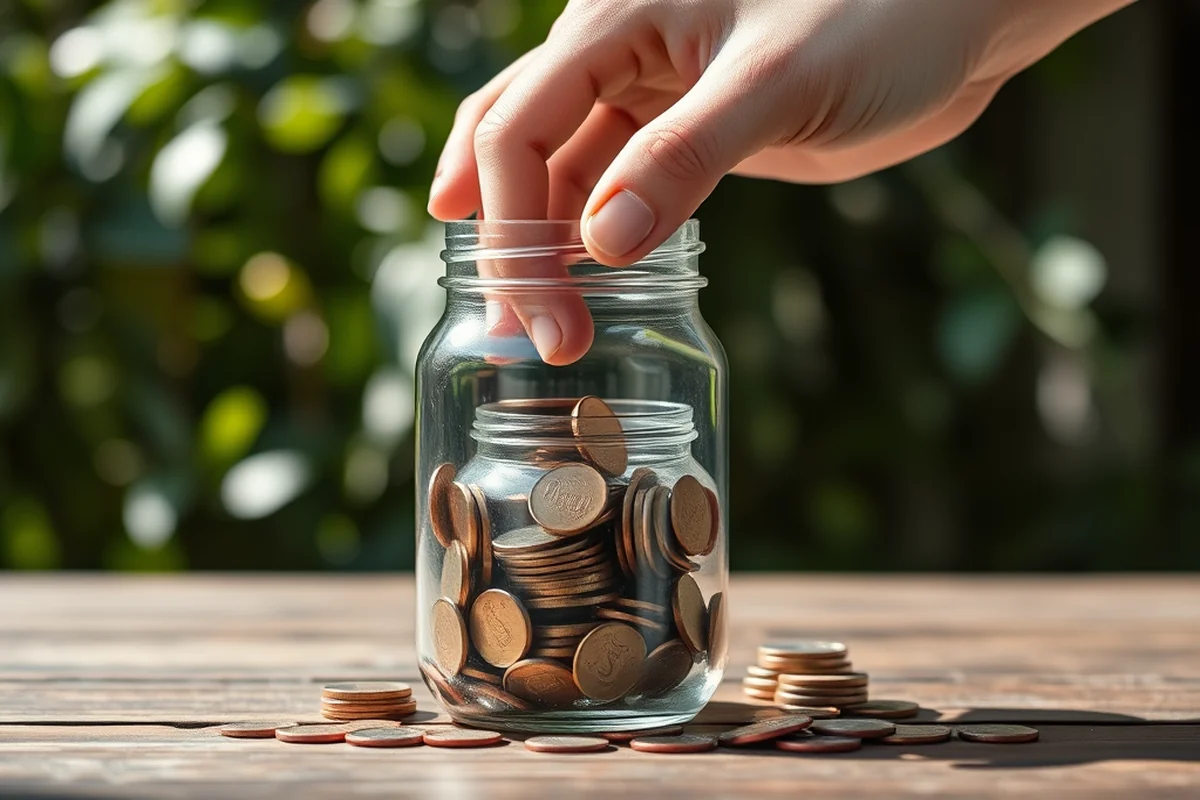
Let me walk you through how I applied the debt snowball in my own life. I listed all my debts, sorted them by size, and started paying the minimum on each. Then, I took any extra money — from my paycheck or from cutting expenses — and directed it entirely to the smallest debt. Once that was paid off, I moved the money to the next one.
After three months, I had my first small victory — I was debt-free on my first credit card. This gave me the confidence to keep going. The money I had been using to pay off the $200 debt was then rolled into the $500 one, and I was able to pay that off in about five months.[3]
What I learned was that the snowball method is not about speed, but about momentum. Each small win builds confidence and keeps you going, even when the journey is tough.
The first step is the hardest, but the first win is the most powerful.
Related: Debt snowball examples ideas
Setting Up Your Debt Snowball
The first thing I did was take a detailed look at all my debts. I wrote down every amount, every interest rate, and every minimum payment. Then, I sorted them from smallest to largest. This gave me a clear plan and a roadmap to follow.
Next, I created a budget that allowed me to cover all my expenses while still setting aside a portion of my income for debt repayment. It wasn’t easy, but it was necessary. I started by cutting out non-essential expenses like dining out and subscription services.
Once I had a clear budget, I began allocating extra money to my smallest debt. It didn’t take long for me to see progress, and that kept me motivated to keep going.
Tools like Mint or YNAB can help you track your expenses and stay on top of your debt payments. These apps can also help you automate your payments, ensuring you never miss a due date.
“I used to feel like a kid in a candy store — dazzled by the options, but unable to resist buying more than I could…”— SnowballStart editors
Related: Affordable debt snowball real
Staying Motivated on the Debt Snowball Journey

Motivation can be tough, especially when you’re dealing with multiple debts and a long journey ahead. I found that celebrating every small win kept me going — whether it was paying off a $200 credit card or hitting a budget goal for the month.[4]
I also made a habit of visualizing my progress. I used a spreadsheet to track my debts and how much I had paid off each month. Seeing the numbers decrease helped me stay focused and reminded me that I was making progress.
Another tip I used was setting small, achievable goals. For example, I set a goal to pay off one debt within three months. When I hit that goal, I gave myself a small reward — like a nice dinner or a new book. It was a way to stay positive and keep going.
Related: Debt snowball real tips
Long-Term Benefits of the Debt Snowball
One of the long-term benefits of the debt snowball is the mental and emotional relief that comes with being debt-free. As you pay off each debt, the stress of owing money decreases. I remember the day I paid off my last credit card — it felt like a weight had been lifted off my shoulders.
Another benefit is the improvement in your credit score. As you pay off debts, your credit utilization ratio improves, and this can have a positive impact on your overall credit score. I saw my credit score increase by 40 points after I paid off all my debts using the snowball method.
In the long run, the snowball method can help you build better financial habits. You’ll become more aware of your spending, more disciplined with your budget, and more confident in your ability to manage money.
💸 Tight Budget
This variation is for those with limited income — it focuses on cutting non-essential expenses and using every spare dollar toward the smallest debt.
🔥 Aggressive Payoff
This version is for those who want to accelerate their debt payments by increasing their income or taking on side jobs.
💼 Irregular Income
This plan is ideal for freelancers or those with unpredictable income — it emphasizes flexibility and using windfalls to pay down debt.
👫 Couples
This variation works for couples who want to pay off their debts together — it encourages communication and shared financial goals.
🎓 Beginner
This is the perfect plan for someone who’s just starting their journey — it’s simple, structured, and easy to follow.
| The mistake | Why it happens | The fix |
|---|---|---|
| Ignoring the smallest debt | Focusing on larger debts first can be discouraging and may lead to burnout. | Always start with the smallest debt to build momentum and stay motivated. |
| Not creating a budget | Without a budget, it’s easy to overspend and make progress on your debt payments. | Use a budgeting tool or app to track your expenses and allocate money toward your debts. |
| Not celebrating small wins | Failing to acknowledge progress can lead to frustration and a lack of motivation. | Celebrate each small victory — whether it’s paying off a credit card or hitting a monthly budget goal. |
| Giving up too soon | Debt repayment is a long journey, and giving up early can set you back. | Stay focused on the long-term goal and remember that every small step forward counts. |
Related: Diy debt snowball real
Debt Snowball Real For Beginners
Related: Debt snowball real mistakes to avoid
Avoiding the Debt Snowball Pitfalls
I once paid off $10,000 in credit card debt using the snowball method, but I nearly derailed my progress by not tracking my expenses closely enough. Missing even one payment can lead to late fees and higher interest rates, which can reverse the progress you've made. It's easy to get distracted by life's little expenses, but I learned that setting up automatic payments and using budgeting apps like Mint helped me stay on course. These tools ensure that every payment is made on time, even when I'm busy or forgetful.
Another pitfall I encountered was treating the debt snowball as a one-size-fits-all solution without considering my unique financial situation. I had high-interest credit card debt, but I also had a student loan with a lower interest rate. I initially focused on the credit card, which made sense, but I neglected to build an emergency fund. If something unexpected happened, I wouldn't have had money to cover it, which could have led me to take on more debt. I eventually set aside $500 in an emergency fund before continuing with my debt payments.
I also learned the importance of being realistic about what I could afford to pay each month. At first, I tried to pay as much as possible on my smallest debt, but it was unsustainable. I had to adjust my payments to match my income and expenses, which meant paying a little less on the smallest debt but keeping up with the payments consistently. This adjustment made the process more manageable and helped me stay committed without burning out.
Common Questions
How long does it take to pay off debt with the snowball method?
Can I use the snowball method if I have multiple types of debt?
What if I can’t pay the minimum on my debts?
How much should I pay toward my smallest debt each month?
References
- Reducing Debt: The Snowball and Avalanche Methods (aces.edu)
- Ultimate Guide to Paying Down Student Loan Debt - Berea College (berea.edu)
- How Do Individuals Repay Their Debt? The Balance-Matching ... (bfi.uchicago.edu)
- Progress Over Perfection: A Healthier Way to Manage Money This ... (blogs.ifas.ufl.edu)
Cite this guide
SnowballStart (2026). Debt Snowball Real For Beginners. https://snowballstart.com/debt-snowball-real-for-beginners/
Feel free to cite or share this guide.