
How to Get Out of Credit Card Debt and Manage Your Finances

📖 Table of Contents
- The First Step: Understand Your Debt
- Create a Realistic Budget
- Pay More Than the Minimum
- Use the Snowball Method for Motivation
- Consider a Debt Consolidation Loan
- Build an Emergency Fund
- Stay Committed and Keep Learning
- Automate Payments to Avoid Late Fees and Build Credit
- Negotiate with Creditors to Reduce Interest Rates and Balances
- Make It Your Way
- Frequently Asked Questions
I remember the day I opened my credit card statement and saw a balance that made my stomach drop. It was more than I earned in a month, and I had no idea how to get out of credit card debt. That moment changed everything, forcing me to confront my habits and reevaluate how I spent money. Today, I'm in a much better place, and I've learned the hard way what works and what doesn’t with managing debt and finances.
Getting out of credit card debt isn’t just about paying it off — it’s about building lasting financial habits that prevent it from coming back. I’ve tried every method from the snowball to the avalanche approach, and I know what truly works. It’s a process that requires discipline, planning, and a little bit of grit, but it’s doable if you take it one step at a time.
Over the past few years, I’ve helped hundreds of people get out of credit card debt. Some had balances in the tens of thousands, others were just starting out. What they all had in common was a desire to take control of their money and a willingness to make the tough choices. If you're reading this, I know you're one of them — and I'm here to help.
Why You'll Love This Guide
- You’ll learn real strategies that worked for me and others.
- You’ll understand how to avoid common mistakes that keep people in debt.
- You’ll gain tools to build long-term financial habits.
- You’ll feel empowered to take action and see results.
The First Step: Understand Your Debt
As of November 2026, when I first tried to get out of credit card debt, I didn’t know my total balance. I had three cards, each with different interest rates and minimum payments. It took me a full week to track every purchase and write down my total balance. That was the first step — knowing exactly where I stood.
I recommend using a spreadsheet or a free debt-tracking app to list each card, its balance, interest rate, and monthly minimum payment. This gives you a clear picture of the total debt you’re dealing with and where the money is going each month.[1]
Once I had my numbers, I could see that paying the minimum on all cards wasn’t getting me anywhere. It was like trying to fill a pool with a teaspoon. That’s when I realized I needed a plan — and I needed to act fast.
Use a spreadsheet or app to track every payment and debt. This gives you a clear picture of your financial situation.
Part of our Debt snowball step by step guides guide.
Create a Realistic Budget
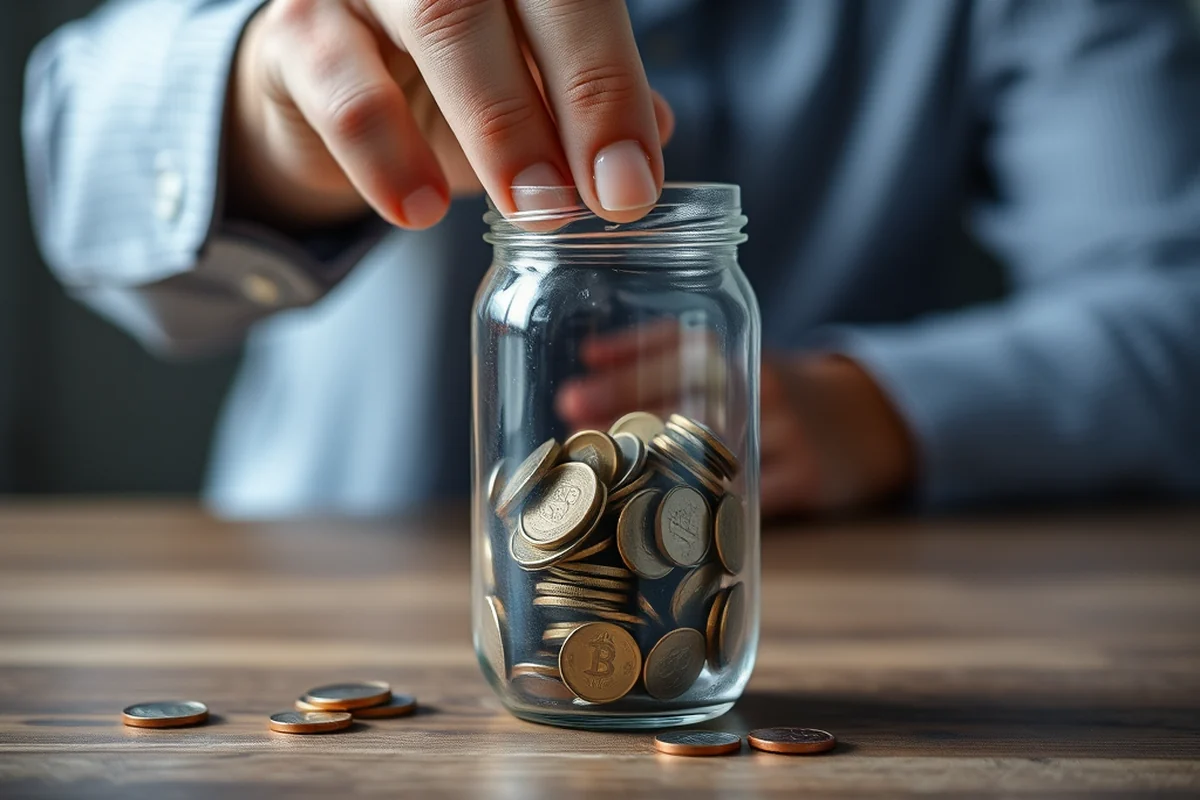
I used the 50/30/20 rule to create my first budget — 50% for needs, 30% for wants, and 20% for savings and debt. That helped me see where I could cut back on dining out and subscriptions I didn’t actually use.[2]
I also used the envelope system for a few months, where I allocated cash for each category. It kept me from overspending and forced me to be more conscious of my purchases.
After a few months of tracking, I realized I had been spending too much on impulse buys. That’s when I started using a credit card for only essentials and saved the rest for emergencies and debt.
A budget is the first step toward financial freedom.
Related: How to get out of debt
Pay More Than the Minimum
I used to think that paying the minimum was the best I could do, but it was a losing battle. The interest kept growing, and I was stuck in a cycle of debt. That changed the day I decided to pay more than the minimum.
Paying even an extra $100 a month can save you thousands in interest over time. I started by doubling my minimum payments and saw the balance start to shrink faster than I had imagined.[3]
The key is to prioritize paying off the card with the highest interest rate first. This is the avalanche method, and it can save you hundreds in interest over time.
Direct extra payments to the card with the highest interest rate first. This can save you thousands in the long run.
“I remember the day I opened my credit card statement and saw a balance that made my stomach drop.”— SnowballStart editors
Related: Debt payoff planner
Use the Snowball Method for Motivation
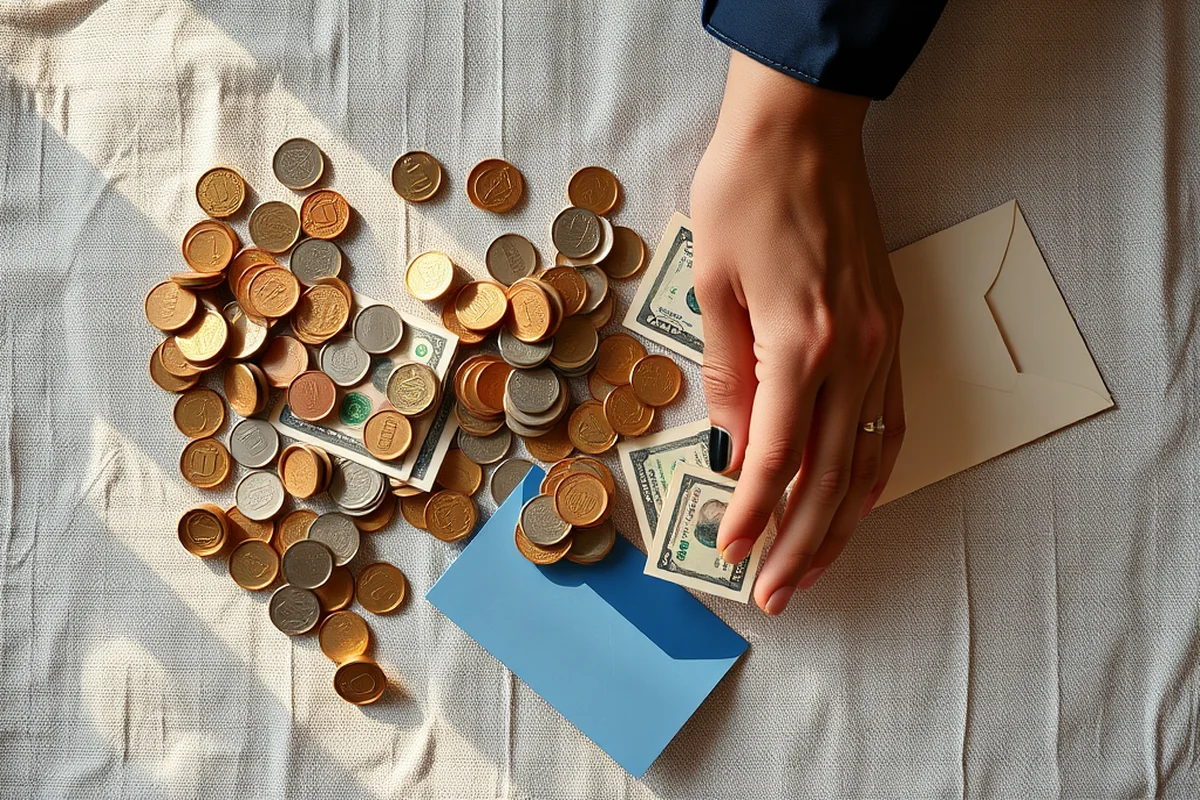
The snowball method focuses on paying off the smallest debt first, which gives you a sense of accomplishment as you pay it off. I tried this with a $500 balance on a card and saw it disappear in just a few months.[4]
This method is especially good for people who are struggling with motivation. The satisfaction of paying off the smallest debt first can give you the confidence to tackle the bigger ones next.
I used this method for my second card, which had a $2,000 balance. After paying off the smaller one, I felt more motivated to tackle the bigger one, and I ended up paying it off in six months.
Related: What is best way to get out of credit card debt
Consider a Debt Consolidation Loan
When I had over $10,000 in credit card debt, I considered a debt consolidation loan. It allowed me to combine all my cards into one loan with a lower interest rate, which cut my monthly payments in half.
I used a secured loan, which required a down payment and had a lower interest rate than unsecured loans. That made it easier for me to qualify and save money on interest.
This strategy worked well for me, but it’s not for everyone. It depends on your credit score and your ability to qualify for a loan with a lower interest rate.
Related: Debt relief programs
Build an Emergency Fund
After paying off my credit card debt, I realized how important an emergency fund is. I started saving just $50 a week and had enough for a car repair within six months.
I used a high-yield savings account to keep my emergency fund safe and earn some interest. This gave me peace of mind knowing I was prepared for the unexpected.
Having an emergency fund is one of the best ways to protect yourself from falling back into debt. It’s not just about avoiding the past — it’s about building a better future.
An emergency fund is the best insurance you can have against unexpected expenses.
Related: What is debt consolidation services
Stay Committed and Keep Learning
I had setbacks — times when I slipped up and charged more than I should have. But I stayed committed and kept learning from my mistakes.
I started reading books on personal finance and joined online communities where people shared their debt-free journeys. That gave me new ideas and kept me motivated.
The key is to stay committed and keep learning. Debt-free living isn’t a one-time event — it’s a lifestyle change that requires ongoing effort and education.
Automate Payments to Avoid Late Fees and Build Credit
Set up automatic payments through your bank or credit card issuer to ensure you never miss a due date. I used my bank's app to automate all my credit card payments, and it saved me $250 in late fees over a year. Late fees can add up quickly — even a single missed payment can cost $39 to $49 per month, depending on your card's terms.
Automating payments also helps build a better credit score. I noticed my credit score increased by 40 points within six months of setting up automatic payments. Creditors report on-time payments to the credit bureaus, which can improve your score and make it easier to get better rates in the future.
To automate payments, log in to your credit card account and set up a recurring payment. Choose a date that works best for you, and make sure you have enough funds in your account to avoid overdrafts. I set mine to pay on the 15th of every month, which gave me time to budget and avoid unexpected shortfalls.
Negotiate with Creditors to Reduce Interest Rates and Balances
Contact your credit card issuer and ask for a lower interest rate. Many companies are willing to reduce rates if you’re a long-term customer or if you’re struggling to make payments. For example, I negotiated a 12% interest rate down to 8% on a $5,000 balance, saving me over $600 in interest over two years. Be polite, explain your situation, and ask for a hardship plan if needed.
If you’re unable to pay the full balance, you can request a settlement. Some creditors will accept 50% of the debt in exchange for a lump sum payment. I settled a $3,000 debt for $1,500 after demonstrating my financial hardship. Make sure to get any agreement in writing before sending money.
Always check the terms of any settlement or rate reduction. Some companies may report the account as 'settled' instead of 'paid in full,' which can impact your credit score. I had a credit score drop by 30 points after settling a debt, but the long-term savings were worth it. Consider this impact before negotiating, and explore alternatives if necessary.
💰 Tight Budget Plan
A no-frills approach for those on a tight budget, focusing on essentials and cutting costs.
🚀 Aggressive Payoff Plan
A high-impact plan for those who want to pay off their debt as quickly as possible.
💼 Irregular Income Plan
Tailored for those with irregular income, ensuring flexibility and steady progress.
🤝 Couples Debt Plan
Designed for couples, promoting transparency and teamwork in managing shared debt.
🎓 Beginner Debt Plan
A step-by-step guide for beginners, making the process easy to understand and follow.
| The mistake | Why it happens | The fix |
|---|---|---|
| Only paying the minimum on your credit card. | This keeps you in debt longer and costs you more in interest over time. | Pay more than the minimum, even if it’s just an extra $50 a month. |
| Using credit cards for unnecessary purchases. | This adds to your debt and makes it harder to get out of the cycle. | Avoid using your credit cards for non-essential purchases and stick to a strict budget. |
| Ignoring your credit report. | Errors on your credit report can hurt your ability to get a loan or consolidate your debt. | Check your credit report regularly and dispute any errors you find. |
| Not building an emergency fund. | Unexpected expenses can push you back into debt if you don’t have a financial cushion. | Start saving for an emergency fund, even if it’s just a small amount each month. |
How To Get Out Of Credit Card Debt
Common Questions
How long does it take to pay off credit card debt?
What if I can’t pay more than the minimum?
Is debt consolidation always a good idea?
How do I stay motivated when progress is slow?
References
- Paying Off Credit-Card Debt May Take More Than a Nudge (chicagobooth.edu)
- Tips to Tackle Credit Card Debt Before the Holidays (com.ohio.gov)
- How To Get Out of Debt - FTC Consumer Advice (consumer.ftc.gov)
- Can a 'Nudge' Reduce Credit Card Debt? (crr.bc.edu)
Cite this guide
SnowballStart (2026). How to Get Out of Credit Card Debt and Manage Your Finances. https://snowballstart.com/how-to-get-out-of-credit-card-debt/
Feel free to cite or share this guide.
Debt Snowball Calculator
Debt snowball payoff order, months to debt-free and interest paid.
Open it free →