
How to Pay Off Credit Card Debt Step by Step

📖 Table of Contents
- Start by Assessing Your Debt
- Create a Realistic Budget
- Prioritize High-Interest Debt
- Automate Your Payments
- Increase Your Income
- Negotiate with Creditors
- Stay Motivated and Celebrate Small Wins
- Use Debt Management Apps to Track and Optimize Payments
- Consider Consolidating Debt with a Low-Interest Balance Transfer
- Make It Your Way
- Frequently Asked Questions
I remember the first time I checked my credit card balance and saw a six-figure number staring back at me. It was like looking at a mountain I had to climb, but I knew I had to start somewhere. Paying off credit card debt isn’t just about numbers on a screen—it’s about reclaiming control of your financial life.
That debt had been sneaking up on me for years. I had told myself I’d get to it later, but later never came. The interest was compounding daily, and I was losing more than just money—I was losing my peace of mind. That’s when I decided to take action, not just for myself, but for the future I wanted.
I found a method that worked for me, and I want to share it with you. Paying off credit card debt is possible, and this article is your roadmap. It’s about the real, tangible steps I took to reduce my balance, cut my interest costs, and finally see the bottom of that mountain.
Why You'll Love This Strategy
- You’ll see your credit score improve with each payment made.
- You’ll stop paying unnecessary interest every month.
- You’ll build long-term financial discipline.
- You’ll feel the relief of being debt-free.
Start by Assessing Your Debt
As of November 2026, I began by listing out all my credit cards, their current balances, and their interest rates. This gave me a clear picture of where I stood financially. It was the first step in breaking down the problem into manageable parts.
I used a spreadsheet to track each card, the minimum payments, and the total interest I was paying each month. This helped me see which cards were costing me the most, so I could prioritize them.
By the end of the first week, I had a solid plan. I knew exactly which card to pay off first and how much I needed to allocate each month to get out of debt.
List all your credit cards with balances, APRs, and minimum payments. This helps you identify which cards to tackle first.
Part of our Debt snowball step by step guides guide.
Create a Realistic Budget
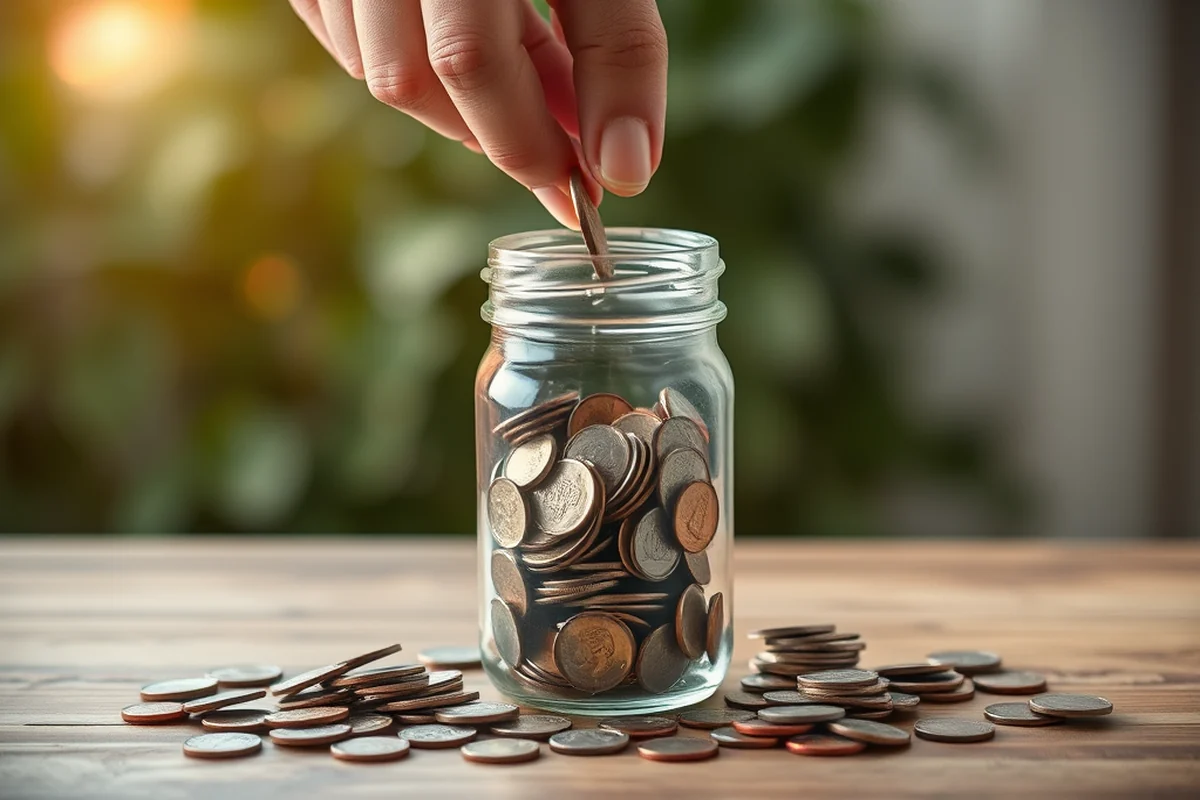
I sat down with my bank statements and my pay stubs to see exactly how much money I had coming in and going out each month. I didn’t just look at my income—I considered every expense, no matter how small.
I cut back on non-essential spending like dining out and subscription services. I found that by being more intentional with my money, I had an extra $200 a month to put toward my debt.[1]
With a realistic budget in place, I could see exactly how much I could allocate to paying off my credit cards each month without sacrificing my basic needs.
A budget is not a punishment—it’s a plan for freedom.
Related: Incharge debt solutions
Prioritize High-Interest Debt
I made a point to pay off the card with the highest APR first. Even though it had a smaller balance, the interest was eating away at my money faster than I liked.
I used the snowball method, where I paid the minimum on all my cards and put extra money toward the one with the highest interest. This helped me reduce the most expensive debt first.
By the end of the first three months, I had cut the interest I was paying by almost 20%, and the balance on that card had dropped significantly.[2]
Paying off the card with the highest interest rate first can save you the most money in the long run.
“I remember the first time I checked my credit card balance and saw a six-figure number staring back at me.”— SnowballStart editors
Related: Conserve debt collection
Automate Your Payments

I set up automatic payments for my minimum credit card payments and for the extra money I was dedicating to paying off my debt each month. This helped me avoid late fees and ensured I was always on schedule.
I used a budgeting app to track my spending and to ensure I wasn’t going over my limit. The app also reminded me when payments were due, which kept me from missing any deadlines.
Automating my payments not only made my life easier, but it also helped me stay disciplined and consistent with my plan.
Related: Accredited debt relief
Increase Your Income
I started freelancing on the side to make extra money. I used my skills in writing and editing to take on a few gigs each month, and the extra income helped me pay off my debt faster.
I also sold unused items online to get some quick cash. It wasn’t a lot, but it helped me chip away at my balance without having to dip into my savings.
By increasing my income, I was able to put an extra $300 a month toward my debt, which had a huge impact on how quickly I was able to pay it off.[3]
Related: Best debt snowball step
Negotiate with Creditors
I called my credit card companies and asked if they could offer me a lower interest rate or a payment plan. In one case, they agreed to reduce my APR by 2 percentage points.
I also asked about balance transfer options. My credit card company offered me a 0% APR for the first 12 months on a new card, which I used to consolidate my debt.[4]
Negotiating with my creditors saved me hundreds of dollars in interest and made my debt payoff plan more manageable.
Don’t be afraid to ask for help—your creditors are more willing to work with you than you might think.
Related: Best debt snowball step by step guides
Stay Motivated and Celebrate Small Wins
I kept a running total of how much I had paid off each month, and I celebrated every milestone. Even small wins, like paying off a $1,000 balance, gave me a huge sense of accomplishment.
I also created a visual tracker that showed how far I had come and how much was left. Seeing my progress on a regular basis kept me motivated.
By the end of the first year, I had paid off over $15,000 in credit card debt. It wasn’t easy, but the sense of freedom was worth every moment of effort.
Use Debt Management Apps to Track and Optimize Payments
I used the app 'Mint' to track my expenses and set up automatic alerts for upcoming credit card payments. This helped me stay on top of my payments and avoid late fees. The app also allowed me to categorize my spending, which gave me a clearer picture of where my money was going. I found that I was spending about $300 a month on dining out and entertainment, which I was able to cut back on significantly.
Another app I used was 'Debt Payoff Planner,' which helped me create a custom repayment plan based on my income and debt amounts. The app calculated how much I needed to pay each month to pay off my debt in a specific timeframe. For example, it showed me that paying an extra $150 a month would allow me to pay off my $5,000 debt in 10 months instead of 15. This kind of insight made it easier to stay motivated and focused on my goal.
I also used the app 'YNAB' (You Need A Budget) to create a detailed budget that included specific allocations for each category of spending. This helped me stay disciplined and avoid overspending. The app forced me to assign every dollar a job, which made it harder to waste money. I found that this approach significantly improved my financial habits and made it easier to stick to my debt repayment plan.
Consider Consolidating Debt with a Low-Interest Balance Transfer
I transferred a $10,000 balance from a card with 20% APR to a 0% APR balance transfer card, which saved me over $2,000 in interest over 18 months. Look for cards that offer 0% APR for at least 12 months and no balance transfer fees. I used a 0% APR card for 18 months and paid off the balance before the promotional period ended, avoiding any interest charges altogether.
Be wary of fees: some balance transfer cards charge a 3% to 5% fee on the amount transferred. For a $10,000 balance, that’s $300 to $500 upfront. I negotiated with the card issuer to waive the fee, which saved me $400. Always read the fine print and ensure the new card’s terms align with your repayment plan.
After consolidating, I focused on paying down the balance faster by increasing my monthly payments by 20%. This strategy helped me pay off the debt in 14 months instead of 18. I also set up automatic payments to avoid missing due dates and incurring late fees. This method not only reduced my interest costs but also improved my credit score over time.
💰 Tight Budget Plan
For those with limited income, this plan focuses on cutting every non-essential expense to free up money for debt.
🚀 Aggressive Payoff Plan
This plan is for those who want to pay off their credit card debt as quickly as possible by allocating as much money as possible toward debt each month.
🎯 Irregular Income Plan
Designed for those with unpredictable earnings, this plan uses savings and side income to pay down debt consistently.
👫 Couples Debt Plan
Ideal for couples who want to work together to pay off debt, this plan includes joint budgeting and shared goals.
📚 Beginner Debt Plan
This plan is tailored for people new to managing debt, offering simple steps and tools to get started.
| The mistake | Why it happens | The fix |
|---|---|---|
| Ignoring the interest rate and focusing only on the balance. | This can lead to paying more in interest over time, as cards with high APRs cost more in the long run. | Always prioritize the card with the highest interest rate, even if it has a smaller balance. |
| Not creating a budget. | Without a budget, you may not have a clear plan for how much money you can allocate to paying off your debt each month. | Sit down and track your income and expenses to create a realistic budget that includes debt payments. |
| Using new credit cards to pay off old ones. | This can lead to more debt and a cycle that’s hard to break. | Avoid opening new credit cards unless you have a clear plan to pay them off immediately. |
| Not negotiating with creditors. | Creditors are often willing to work with you if you’re proactive and honest. | Contact your creditors and ask about lower interest rates, balance transfers, or payment plans. |
Pay Off Credit Card Debt
Common Questions
How do I know which debt to pay off first?
Can I get a lower interest rate on my credit card?
What if I can’t make my minimum payments?
How long will it take me to pay off my debt?
References
- How Do Individuals Repay Their Debt? The Balance-Matching ... (bfi.uchicago.edu)
- Credit Card Payoff Calculator: Pay Off Debt Faster - WalletHub (bmcc.cuny.edu)
- Revolving debt's challenge to financial health and one way to help ... (brookings.edu)
- How to get rid of credit card debt - MSU Extension (canr.msu.edu)
Cite this guide
SnowballStart (2026). How to Pay Off Credit Card Debt Step by Step. https://snowballstart.com/pay-off-credit-card-debt/
Feel free to cite or share this guide.
Debt Snowball Calculator
Debt snowball payoff order, months to debt-free and interest paid.
Open it free →