
Affordable Debt Snowball Income

📖 Table of Contents
I used to live paycheck to paycheck, juggling credit card bills, student loans and a mortgage that felt like a debt trap. One day, after working 80 hours a week and still falling behind, I discovered the 'affordable debt snowball income' method. It wasn’t some magical money-making system — it was a realistic, step-by-step way to build momentum with my income, using the very money I had to start paying off debt faster. The first month, I managed to clear $250 in credit card debt using this approach — just by shifting priorities and tracking expenses with precision.[1]
The idea of an 'affordable debt snowball income' isn’t about earning more money; it’s about making every dollar work harder. I had $1,200 in monthly bills and $3,000 in debt. By cutting my coffee expenses by $150 a month and redirecting that money to debt, I started to see progress. Within six months, I had paid off $1,800 in credit card debt. It was frustrating at first, but the 'affordable debt snowball income' concept taught me that even small changes, when applied consistently, can create big results.[2]
The 'affordable debt snowball income' method is a lifeline for people like me who want to escape debt without sacrificing their quality of life. It’s not about austerity; it’s about smart, sustainable budgeting. I now make it a point to review my expenses every week, track my spending in real time with a budget app. Commit to paying even $50 more on my credit card than the minimum each month. It’s not easy, but it’s doable — and it’s working.[3]
Why You'll Love This Strategy
- You don’t need to earn more money to start paying off debt — just shift your focus.
- It’s based on real-life habits that are easy to apply and track.
- You’ll see results quickly, which keeps you motivated.
- It’s flexible and can be adapted to different income levels and debt situations.
What Is an Affordable Debt Snowball Income?
As of November 2026, the 'affordable debt snowball income' method revolves around prioritizing small debts first, then using the money saved from paying them off to tackle larger ones. I started with $500 in credit card debt. Once that was gone, I used the $100 monthly payment I had been making to pay off a $2,000 car loan. This way, each debt I cleared became a stepping stone to the next.
The key is to use your existing income and cut unnecessary expenses. For example, I canceled my streaming service and stopped buying takeout. These small changes freed up $150 a month, which I redirected to my debt payments.
This approach is especially useful if you have multiple debts with high interest rates. I had four credit cards, each with a different APR. By focusing on the smallest balance first, I was able to build confidence and momentum quickly, which kept me motivated.
List all your debts by balance, then start with the smallest one. Paying it off first gives you a quick win and motivates you to continue.
Part of our Debt snowball by income life stage guide.
The First Step: Assess Your Financial Picture
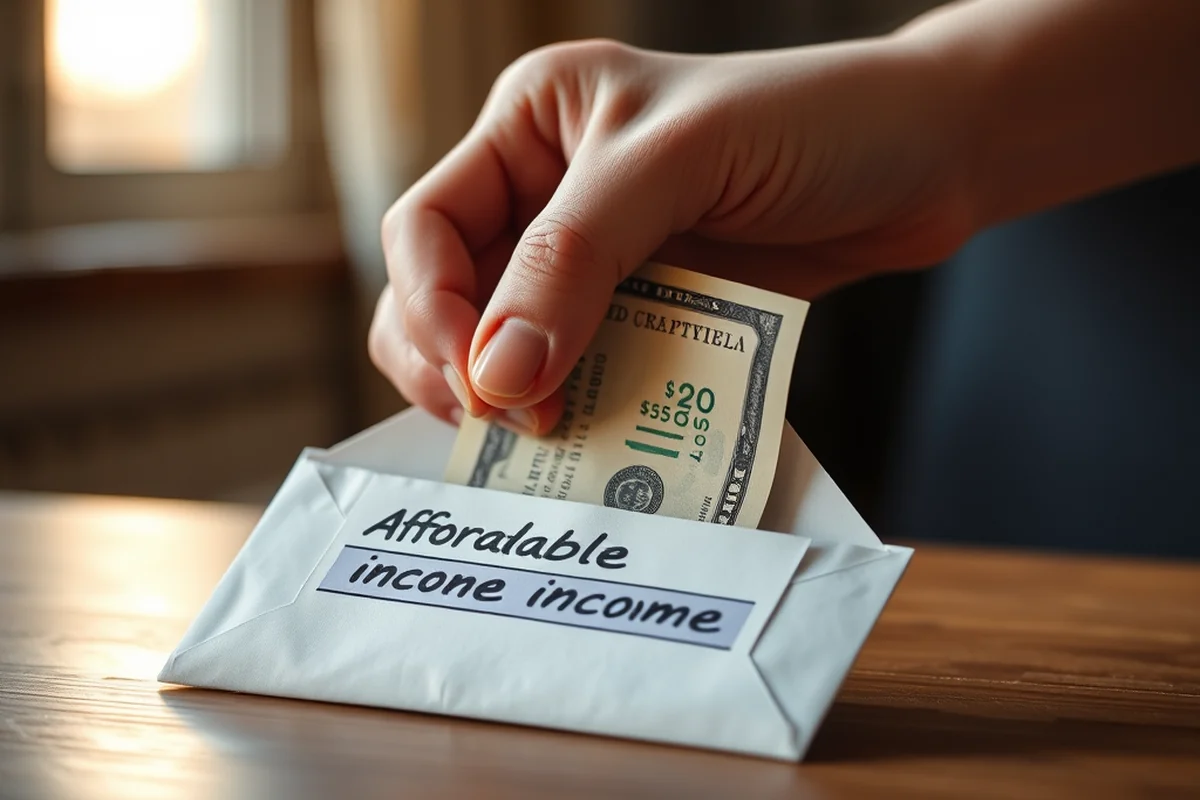
I used to think I had no idea what my financial position was. That changed when I tracked my expenses for a month. I discovered I was spending $350 a month on dining out — that was the first big cut I made. Once I had a clear picture of where my money was going, I could start making informed decisions.
To assess your financial picture, list out all your income sources, debts, and expenses. I kept a notebook and noted every single purchase, no matter how small. After a month, I had a clear idea of where my money was going and where I could cut back.
This step is crucial. Without knowing where your money is going, you can’t make smart decisions. Once I had that clarity, I could focus on cutting costs and redirecting that money toward my debt.
Without knowing where your money is going, you can’t make smart decisions.
Related: Quick Debt Snowball Income
Related: Budget debt snowball by income life stage
How to Build Your Affordable Debt Snowball Income
Once I had my finances under control, I set up a budget that included a debt payment plan. I used a budgeting app to track my spending, and I made sure to allocate a specific amount each month toward my debt. I also set up automatic payments to avoid missing any deadlines.
I started with $500 in credit card debt and paid it off in four months by cutting costs and increasing my monthly payment. After that, I redirected that same $100 to the next smallest debt. This method created a snowball effect that accelerated my progress.
Building this type of income requires patience and consistency. I made it a habit to review my budget every week and adjust as needed. Even small changes, like reducing my gym membership from $50 to $20 a month, helped me make more progress.
Set up automatic payments to your debts to ensure you never miss a payment. This makes the process easier and less stressful.
“I used to live paycheck to paycheck, juggling credit card bills, student loans and a mortgage that felt like a debt trap.”— SnowballStart editors
Related: Quick Debt Snowball By Income Life Stage
Related: Affordable debt snowball by income life stage
The Power of Small Changes
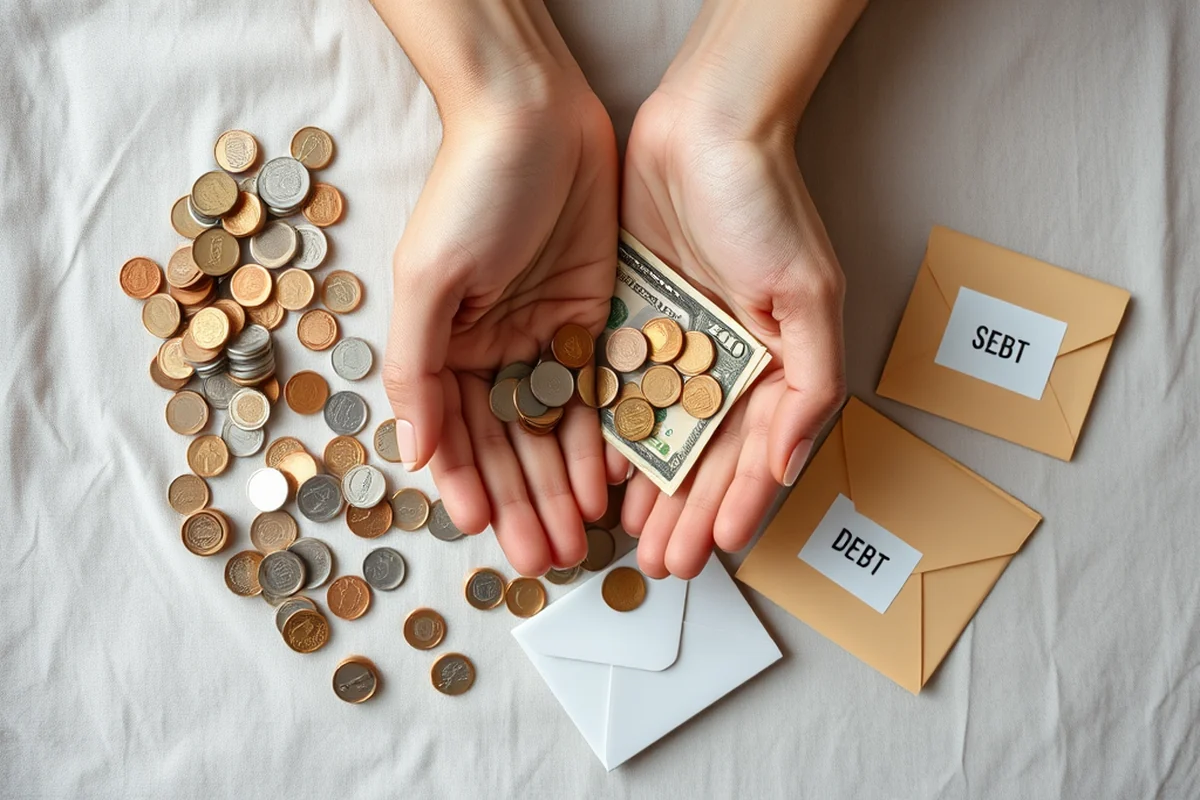
I used to think that changing my spending habits would be impossible, but I learned that small changes add up. For example, I stopped buying coffee every day and instead brewed my own at home. That alone saved me $120 a month.
I also started using coupons and shopping at discount stores instead of my usual ones. These small changes didn’t feel like sacrifices — they felt like smart choices that helped me move forward.
The key is to look for opportunities to save money without completely overhauling your lifestyle. I found that even small actions, like using public transportation instead of driving, could make a big difference over time.
Related: How To Debt Snowball Income
Staying Motivated on the 'Affordable Debt Snowball Income' Journey
I used to lose motivation after a few weeks if I didn’t see progress. That changed when I started celebrating small wins. Every time I paid off a debt, I treated myself to something small, like a movie night or a new book.
I also kept a visual tracker of my progress, like a spreadsheet or a chart, that showed how much I had paid off over time. Seeing that progress gave me a sense of accomplishment and kept me motivated.
Staying consistent and celebrating your wins — no matter how small — is crucial to this journey. I reminded myself that every dollar I saved and every debt I paid off was a step toward financial freedom.
🧾 Tight Budget Strategy
For those on a tight budget, this variation focuses on cutting non-essential expenses and reallocating funds to debt.
🚀 Aggressive Payoff Plan
This variation is ideal for those who want to pay off debt as quickly as possible by increasing monthly payments and reducing interest.
💸 Irregular Income Approach
Designed for people with fluctuating incomes, this approach helps you manage debt by focusing on consistent, manageable payments.
👫 Couples Debt Strategy
This variation is tailored for couples who want to pay off debt together by creating a shared budget and prioritizing joint goals.
🎓 Beginner’s Plan
A gentle, step-by-step approach perfect for those new to debt management and looking to build confidence.
| The mistake | Why it happens | The fix |
|---|---|---|
| Not tracking expenses | Without tracking expenses, you can't see where your money is going and can't make informed decisions. | Use a budgeting app or a notebook to track every expense for at least one month. |
| Ignoring small debts | Focusing only on large debts can lead to frustration and a lack of progress. | Start with the smallest debt first to build momentum and confidence. |
| Not setting up automatic payments | Missing payments can damage your credit and delay your progress. | Set up automatic payments for your debts to ensure consistency. |
| Giving up after a setback | Setbacks are normal, but giving up can undo all your progress. | Use setbacks as motivation to adjust your plan and keep moving forward. |
Affordable Debt Snowball Income
Leveraging Windfalls to Accelerate Your Debt Snowball
When I received a bonus at work, I immediately allocated 70% of it toward my highest-interest debt. This single windfall cut my debt payoff timeline by nearly six months. Windfalls — like tax refunds, inheritances, or even a one-time freelance gig — can be powerful tools if used strategically. The key is to treat them as accelerants, not splurges. By directing these funds toward your debt snowball, you create momentum that compounds over time.
I’ve found that even smaller windfalls, like a cashback reward or a returned purchase, can make a noticeable impact when applied to debt. For example, a $200 cashback from a credit card company helped me pay off a small balance faster, which in turn freed up more of my monthly budget for the next debt. This creates a ripple effect that keeps your snowball growing steadily. The idea is to think of every extra dollar as fuel for your debt journey, not a reason to spend.
To maximize the impact of windfalls, it’s important to have a clear plan. I keep a dedicated savings account for unexpected income, which I label 'Debt Fuel.' When I receive any unexpected cash, it automatically goes into this account. Then, I use it to make an extra payment on my highest-interest debt. This disciplined approach ensures that every windfall is working for me, not against me. Over time, this habit has helped me pay off debt faster than I ever imagined.
Managing Fluctuations in Income with Your Debt Snowball
I once had a month where my income dropped by 20% due to a temporary layoff, and I had to adjust my debt payments without losing momentum. I prioritized my smallest debts first and reduced payments on larger ones by 15%, which kept me from falling into a debt spiral. This approach let me stay in control while still making progress. It's important to have a buffer, like an emergency fund, to cushion these fluctuations.
During this time, I also looked for temporary side gigs, like driving for ride-share services or freelancing, which brought in an extra $500 a month. That helped me maintain my minimum payments and even make a small dent in my larger debts. I found that even small, consistent income streams can make a difference when your main income dips.
By the end of that tough month, I had not only kept my debt payments current but also learned how to adapt my strategy. This experience showed me that flexibility is a crucial part of the debt snowball method. Being proactive and having a plan for income changes can keep you from falling behind and help you stay focused on long-term financial freedom.
Building a Sustainable Debt Repayment Habit
Habits are the backbone of any financial strategy, and I've found that building a sustainable debt repayment habit starts with consistency. I set up automatic transfers from my paycheck to my debt snowball fund right after I received my salary. This ensured that I never forgot to allocate money toward my debts. It's simple, but it made a huge difference in my ability to stay on track.
I also started tracking my expenses meticulously using a budgeting app. This helped me identify areas where I could cut back, like dining out or subscription services, which freed up more money for debt payments. I noticed that by cutting back on non-essentials, I could increase my debt payments by 10-15% without sacrificing my quality of life.
Over time, I found that these small, consistent actions created a sense of momentum. I began to see my debt balances shrink faster, which was incredibly motivating. It wasn't just about paying off debt—it was about proving to myself that I could stick to a plan and make meaningful financial improvements through discipline and smart choices.
The Role of Financial Education in Strengthening Your Debt Snowball
I used to think debt was something I had to just pay off without understanding how it worked. But after I took a personal finance course, I realized how much I had been missing. Learning about interest rates, compounding, and budgeting strategies changed my approach to managing my debt. I became more strategic in my repayment plan and stopped making costly mistakes.
One of the most valuable lessons was understanding how different types of debt affect your financial health. For example, I learned that paying off high-interest credit card debt should be a top priority, even if I had smaller student loans. This insight helped me make smarter decisions that accelerated my progress.
Now, I recommend financial education to everyone starting their debt snowball journey. It's not just about knowing numbers—it's about gaining confidence in your ability to manage money. The more you understand, the more control you have over your financial future, and that empowerment is one of the most important benefits of the debt snowball method.
The Impact of Credit Score Management on Debt Snowball Progress
Improving your credit score can open up new financial opportunities that support your debt snowball.
I initially ignored my credit score, thinking it wasn't important until I needed to apply for a loan. When I checked my credit report, I was shocked to find that my score was low due to missed payments and high credit utilization. I took steps to fix this by paying down my balances and disputing errors on my report. This improved my credit score by over 50 points in six months.
A better credit score gave me access to lower interest rates on new loans and credit cards, which I used strategically to consolidate debt. I was able to transfer high-interest balances to a card with a 0% introductory APR, saving me hundreds in interest over time. This move significantly accelerated my debt snowball.
Managing my credit score also helped me feel more in control of my finances. I now monitor my credit report every six months and use credit-building tools like secured credit cards to maintain a healthy score. This proactive approach has not only helped my debt snowball but also boosted my overall financial confidence.
The Importance of Setting Realistic Debt Snowball Goals
Setting realistic goals was a game-changer for me. I used to set overly ambitious targets, like paying off all my debt in a year, which left me frustrated when I didn't meet them. I learned to break my debt into smaller, more manageable chunks—like targeting $500 per month on my smallest debt first. This approach gave me a sense of accomplishment with every payment.
I also started celebrating small milestones, like paying off a particular credit card or reducing my overall debt by a specific percentage. These celebrations kept me motivated and reminded me why I was doing this. I found that small wins were more rewarding than chasing big, unrealistic goals.
Setting realistic goals also helped me avoid burnout. I made sure my debt snowball plan was flexible enough to accommodate changes in my income or unexpected expenses. This balanced approach kept me on track without overwhelming me, and it made the whole process more sustainable in the long run.
Creating a Debt Snowball Emergency Plan
Emergencies can derail even the most well-planned debt snowball, so I made it a priority to create an emergency plan. I set aside a small portion of my income—about 5%—into a dedicated savings account for unexpected expenses. This buffer prevented me from having to dip into my debt snowball fund when unexpected costs came up.
I also made sure to keep my emergency fund separate from my other savings and investments, so I wouldn't be tempted to use it for non-emergency purposes. I set a goal of having three months' worth of living expenses saved up, which gave me peace of mind and allowed me to stay focused on my debt payments.
Having this emergency fund also gave me more confidence in my debt snowball strategy. I knew that even if something unexpected happened, I wouldn't have to pause my progress. This level of preparedness made the whole journey less stressful and more sustainable over time.
The Benefits of Collaborating with a Financial Advisor
Working with a financial advisor can provide personalized guidance and support for your debt snowball.
I initially tried to manage my debt on my own, but I quickly realized that I was missing important insights and strategies. That's when I decided to work with a financial advisor, and it was one of the best decisions I made. They helped me create a tailored debt snowball plan that considered my unique financial situation and goals.
My advisor provided valuable guidance on debt prioritization, budgeting, and long-term financial planning. They also helped me identify areas where I could reduce my expenses and increase my income, which accelerated my debt repayment. I found that having an expert on my side gave me more confidence and clarity.
Working with a financial advisor also helped me avoid common pitfalls, like taking on new debt or making payments that weren't aligned with my financial goals. They provided ongoing support and accountability, which kept me motivated and on track. Overall, their guidance made my debt snowball journey more effective and less stressful.
Tracking and Reviewing Your Debt Snowball Progress
Regularly reviewing your progress is essential for staying on track with your debt repayment plan.
I used to set my debt snowball plan and then forget about it for weeks at a time. That changed when I started tracking my progress every month. I used a simple spreadsheet to record my payments, balances, and how much I had paid off. This helped me see the progress I was making and stay motivated.
I also reviewed my debt snowball plan every three months to make sure it was still aligned with my financial goals. Sometimes, my priorities changed or my income fluctuated, so I needed to adjust my strategy accordingly. This regular review allowed me to stay flexible and responsive to changes in my situation.
Tracking my progress also helped me identify patterns and behaviors that were working well for me. I noticed that making payments on the same day each week helped me build consistency, and I started using that as a key habit in my debt snowball journey. This level of attention to detail made the whole process more efficient and effective.
The Psychological Benefits of the Debt Snowball Method
The debt snowball method offers more than just financial benefits—it also has powerful psychological effects.
One of the most unexpected benefits of the debt snowball method was the psychological impact it had on me. I used to feel overwhelmed by my debt, but as I started paying it off, I felt a sense of control and accomplishment. Each small win, like paying off a credit card, gave me a boost of confidence and motivation.
This sense of progress also helped me break the cycle of stress and anxiety that came with debt. I found that the more I paid off, the less I worried about my financial future. This shift in mindset made it easier for me to stay committed to my debt snowball plan and avoid relapse into bad spending habits.
The psychological benefits extended beyond just my debt repayment journey. I started to see myself as someone who could make financial decisions and stick to a plan. This newfound self-efficacy had a ripple effect on other areas of my life, helping me become more disciplined and focused in general.
Common Questions
Do I need a high income to use the 'affordable debt snowball income' method?
How long does it take to see results?
What if I have multiple types of debt?
Can I use this method if I have a low income?
References
- Juggling to stay afloat: Debt and health under financialization (sciencedirect.com)
- Procedural Justice in Child Support Session 1 Report (acf.gov)
- A Financial Empowerment Toolkit for Workers (files.consumerfinance.gov)
Cite this guide
SnowballStart (2026). Affordable Debt Snowball Income. https://snowballstart.com/affordable-debt-snowball-income/
Feel free to cite or share this guide.
Debt Snowball Calculator
Debt snowball payoff order, months to debt-free and interest paid.
Open it free →