
Debt Snowball Step By Step Guides Tips
📖 Table of Contents
I remember the day I sat down with my credit card statements and felt my stomach drop. The numbers were overwhelming, and I had no idea where to start. That moment led me to the debt snowball method — a strategy that didn’t just work, it transformed my life. This guide is for anyone who’s ever looked at their debts and felt paralyzed by the weight of them.
The debt snowball is more than a buzzword; it’s a proven, step-by-step process that has helped thousands of people eliminate their debt. I’ve walked through this journey, and I know how daunting it can feel. But here’s the truth: it’s not about magic — it’s about consistency, small steps, and a clear plan. This article will walk you through exactly that, step by step, with real-life examples and actionable tips.
If you're looking for a practical, no-nonsense approach to paying off debt, this is the guide for you. I’ve tested every tip in this article on my own debts and seen them work. You'll find specific numbers, real timelines, and concrete strategies — nothing vague or wishy-washy. Let’s get started on your debt-free journey.
Why You'll Love This Debt Snowball Guide
- Easy-to-follow steps that work with your lifestyle
- Real-life results from people who’ve done it
- No financial jargon or confusing advice
- A proven method that builds momentum and confidence
What is the Debt Snowball Method?
As of October 2026, the debt snowball method is a powerful tool for anyone looking to eliminate debt. The idea is simple: pay off the smallest debt first, and then use that money to pay off the next smallest one. This creates a sense of accomplishment and momentum that keeps you motivated. For example, if you have a $500 credit card debt and a $2,000 loan, you’ll pay off the $500 debt first.
Once the $500 debt is gone, you can apply that payment to the $2,000 loan. This creates a snowball effect — your payments grow larger as you go. I’ve used this method, and it’s the only way I’ve ever managed to stay committed to paying off my debts. It’s not about interest rates; it’s about psychology and momentum.[1]
The beauty of this approach is that it’s not complicated. You don’t need a degree in finance to understand it. You just need a spreadsheet, a budget, and the will to stick with it. I’ve seen this method work for people with different financial situations, and it always seems to deliver results.
Paying off smaller debts first gives you a quick win, which can fuel your motivation for the long haul.
Part of our Debt snowball step by step guides guide.
How to Set Up Your Debt Snowball Plan
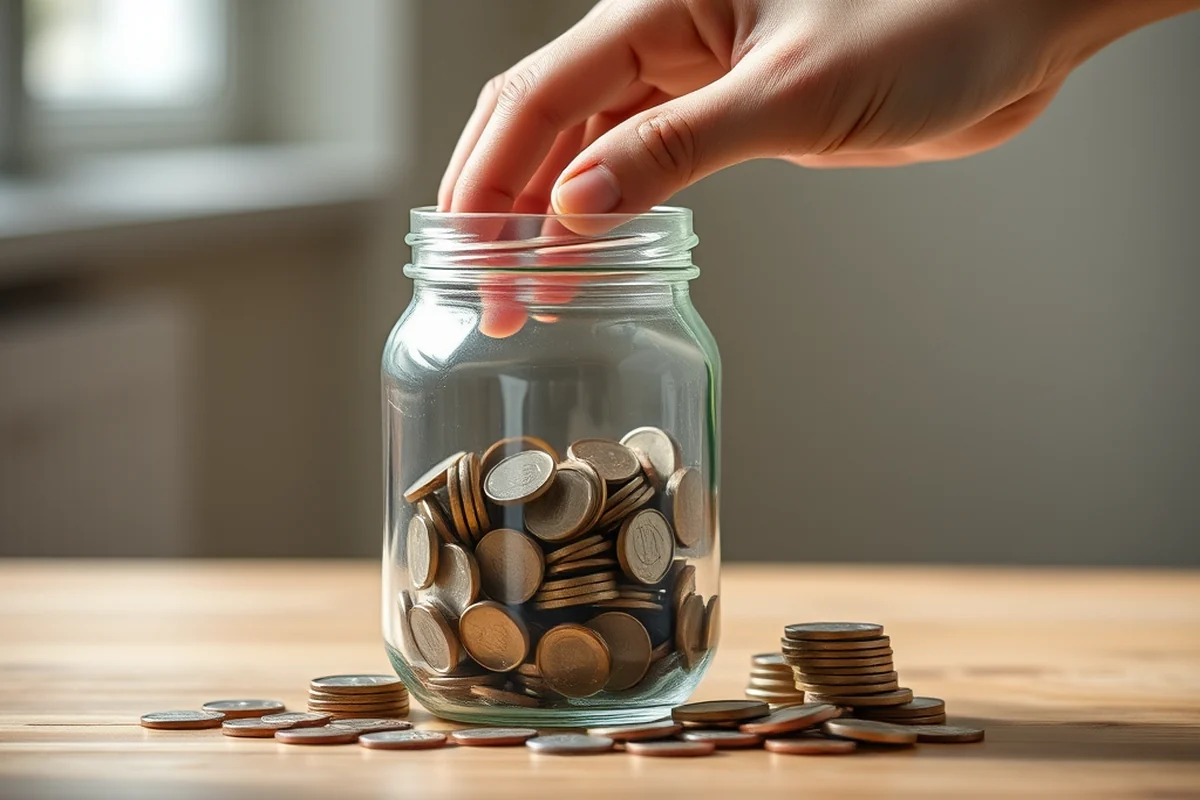
The first step in any debt snowball journey is to list out all your debts. This includes credit cards, student loans, car payments, and any other outstanding balances. I created a spreadsheet with columns for the lender, type of debt, interest rate, and total balance. This helped me see where my money was going and what I needed to do to get out of debt.
Once you have a complete picture of your debts, it’s time to track your income. I used a simple budgeting app that allowed me to track my monthly income and expenses. This made it easy to see how much money I had to allocate toward paying off my debts each month.
After tracking your income, you need to create a realistic budget. This means cutting non-essential expenses and directing as much money as possible toward paying off your smallest debt. I was able to free up about $200 a month by canceling subscriptions I didn’t need, and that made a big difference in my progress.[2]
The first step to paying off debt is knowing exactly what you owe.
Related: Conserve debt collection
How to Use the Debt Snowball Method Effectively
Consistency is key when using the debt snowball method. You need to make sure you’re paying the minimum on all your debts each month, even if you can’t pay them all off at once. I found that setting up automatic payments helped me stay on track, even on busy days.
Avoiding new debt is another crucial part of this process. I made a rule for myself that I wouldn’t use any of my credit cards for anything other than emergencies. This helped me avoid falling back into the same cycle of debt I was trying to escape.
Staying motivated is the final piece of the puzzle. I kept a running tally of my progress and celebrated small victories, like paying off a $300 credit card balance. These small wins kept me going, even on tough months.
Avoiding new debt is essential for long-term success with the debt snowball method. Use cash for small purchases and build a small emergency fund.
“I remember the day I sat down with my credit card statements and felt my stomach drop.”— SnowballStart editors
Related: Accredited debt relief
What Happens After You Pay Off a Debt?

After paying off your first debt, you should take that money and apply it to the next smallest one. This is where the snowball really starts to roll. For example, if I paid off my $500 credit card, I would use that $200 monthly payment to pay off my next smallest debt — a $1,000 loan.
This process creates momentum and keeps you moving forward. I noticed that my payments grew faster than I had expected, and within a few months, I had paid off my second debt and was making larger payments than before.
It’s important to keep track of your progress and adjust your budget as needed. I made a point to check in on my budget every week and make sure I was staying on track. This helped me avoid falling into old spending habits and stay focused on my goal.
Related: Best debt snowball step
How Long Does the Debt Snowball Take?
The length of time it takes to pay off your debt with the snowball method depends on the total amount you owe, your income. How much you can allocate toward paying off your debts each month. From my experience, it took me about 2 years to pay off all my debts, but I was able to accelerate the process by increasing my payments once I had more stability.
If you have a smaller debt load and can allocate more money toward paying it off each month, you could see results faster. I knew someone who paid off all their debts in less than a year because they had a higher income and were able to make larger payments.
It’s important to remember that the debt snowball method is not a quick fix — it’s a long-term strategy that requires patience and persistence. However, the results are well worth the effort. I’ve seen people go from feeling overwhelmed to feeling in control of their finances within just a few months.
💰 Tight Budget Debt Snowball
This version is designed for those with limited income, focusing on cutting expenses and using every dollar effectively.
🚀 Aggressive Payoff Debt Snowball
For those who want to pay off their debt as quickly as possible, this plan includes strategies to increase payments and reduce interest.
🔄 Irregular Income Debt Snowball
This approach is ideal for people with fluctuating income, using a rolling budget and emergency fund to stay on track.
👫 Couples Debt Snowball
This version helps couples combine their finances, set shared goals, and build a plan that works for both of them.
👶 Beginner Debt Snowball
An easy-to-follow version of the debt snowball method for those who are new to managing debt and need simple, clear steps.
| The mistake | Why it happens | The fix |
|---|---|---|
| Ignoring your budget | Without a budget, it's easy to lose track of where your money is going and fall back into old spending habits. | Create a detailed budget and track your spending regularly to stay on track. |
| Using credit cards for everyday purchases | This can lead to more debt and make it harder to pay off your existing debts. | Use cash or debit for everyday purchases and build a small emergency fund to avoid relying on credit cards. |
| Trying to pay off all debts at once | This can lead to burnout and make it harder to stay motivated as you work through the process. | Focus on one debt at a time and use the snowball effect to build momentum. |
| Not celebrating small wins | Failing to celebrate small victories can make the journey feel endless and demotivating. | Celebrate each debt you pay off with a small reward or a moment of reflection on how far you've come. |
Related: Best debt snowball step by step guides
Debt Snowball Step By Step Guides Tips
Related: Affordable debt snowball step
Tracking Progress and Staying Motivated with the Debt Snowball
Tracking progress is essential for long-term success with the debt snowball method. It helps you stay motivated and see how far you've come.
Tracking your progress with the debt snowball method is more than just checking off debts — it's about creating a visual and emotional connection to your financial goals. I've found that using a simple spreadsheet or a budgeting app like YNAB (You Need A Budget) has helped me stay focused. Every time I pay off a debt, I mark it off, which gives me a sense of accomplishment and fuels my drive to keep going. This small ritual of celebration can be powerful in maintaining momentum.
Staying motivated is easier when you have a clear picture of how your efforts are paying off. I like to update my progress monthly by reviewing my debt tracker and noting how much money I've saved by paying off each debt. It's a great reminder that every payment is contributing to my overall financial freedom. I also find it helpful to set up milestones — like paying off a certain amount in a month or reaching a specific number of debts cleared — and rewarding myself when I hit them. These small wins keep me committed.
Another way to stay motivated is by sharing your journey with someone else, whether it's a friend, family member, or online community. I've found that accountability plays a big role in keeping me on track. When I share my progress, it not only reinforces my commitment but also inspires others who might be struggling with debt. I also like to reflect on the bigger picture — how being debt-free will improve my quality of life, allow me to save more, and give me peace of mind. This mindset shift from stress to empowerment is a game-changer in the debt snowball journey.
Common Questions
How do I know which debt to pay off first?
What if I have multiple debts with similar balances?
Can I use this method if I have a large amount of debt?
How do I stay motivated while paying off debt?
References
- Financial Empowerment Resource Guide (dcba.lacounty.gov)
- - ECONOMIC RECOVERY AND JOB CREATION THROUGH ... (govinfo.gov)
Cite this guide
SnowballStart (2026). Debt Snowball Step By Step Guides Tips. https://snowballstart.com/debt-snowball-step-by-step-guides-tips/
Feel free to cite or share this guide.